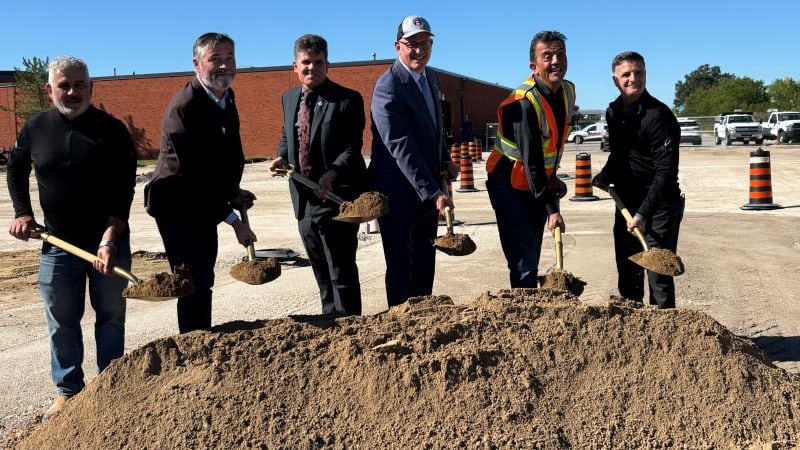
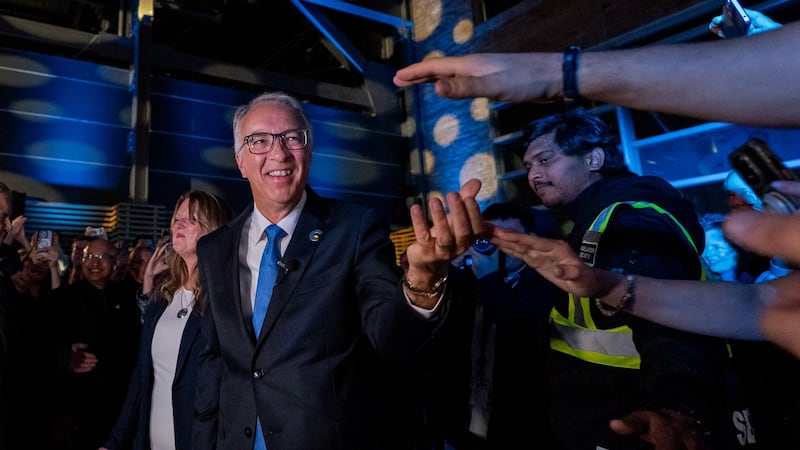
King Thunderbird Centre, or okimaw peyesew kamik by its Cree name, has officially opened since construction began two years ago. “When you look at this building now … there’s hope. There’s hope for our people,” said Grand Chief Greg Desjarlais at the grand opening ceremony Monday. It’s been four years since Boyle Street Community Services bought the former paintball arena at 10010 107A Ave., with a vision for its new headquarters. “First and foremost, this is a place of ceremony. A place where people can have that ceremonial, cultural grounding to their healing journey,” said Boyle Street’s executive director Jordan Reiniger. The new centre will house several health services including primary care, pregnancy programs, harm reduction supports and wound care. Teams will provide wrap around care such as ceremony, mental health and addictions support, nursing occupational therapy and social workers through the centre’s interdisciplinary care spaces. Dedicated cultural spaces, including ceremony rooms, gathering areas and Indigenous-led programming focused on healing, connection and cultural safety are also new additions to Boyle Street’s services through the centre. “Buildings like this are going to be a massive contributor to improving safety,” said Mayor Andrew Knack. “Because these folks that are struggling aren’t left outside, aren’t left in the parks, aren’t left in spaces where they’re not able to get connected to the right support.” The mayor’s first motion post-election, which passed unanimously in early November, allocated $1 million toward day shelter spaces to increase capacity and keep shelters open for full-time access. While King Thunderbird Centre does offer a multitude of services to the city’s vulnerable population, it is not a shelter and does not offer overnight accommodations. It also doesn’t offer supervised consumption services. In late 2022, Boyle Street’s former location behind Rogers Place had its development permit revoked after nearby business and residential groups raised safety concerns, worried the centre would be operating an overnight drop-in shelter and supervised consumption site. “What we saw reflected in this process, was the way often the people that we serve are treated in community and the way they are wanted to not be around, to be pushed out,” said Reiniger. The facility is carbon neutral and was designed in consultation with elders and knowledge keepers. Construction of the facility cost a total of $49.5 million, with contributions from the federal government, the Oilers Community Foundation, EPCOR, the Stollery, Enbridge, The Brick, and others. Since opening to the public in mid-November, the centre has had more than 2,000 visits by nearly 1,000 people.