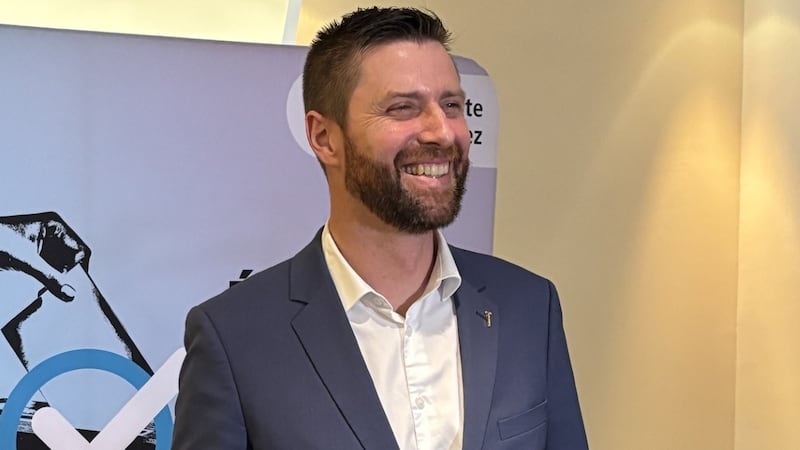
A new virtual health-care clinic wants to increase access to specialized midlife care for people experiencing menopause and its phases. Nese Yuksel co-founded Effica Health with Hoda Soboh after retiring as a professor and vice dean at the University of Alberta’s Faculty of Pharmacy and Pharmaceutical Sciences, where she says she studied the often jarring gaps in women’s health services. The company is a technology platform that delivers online menopause assessments from nurse practitioners, nurses, pharmacists and gynecologists. It launched in Alberta and Ontario in April. “We will look at all your symptoms, what risks you may be having … If you are suffering through different symptoms or have questions about your health, we will assess all of that and help validate those symptoms for you,” she told CTV News Edmonton on Wednesday. Menopause symptoms are thought to impact more than 10 million women in Canada over the age of 40, according to The Canadian Institutes of Health Research. That’s roughly a quarter of the country’s population. “(It) can affect their quality of life, their daily function, even work productivity,” she said. More than 34 menopause symptoms Yuksel’s team hopes to offer in-depth resources while working to fight common misconceptions about the onset of menopause. Clinically, menopause is diagnosed around mid-life after 12 months when there’s no other cause for not having a period. Perimenopause, the phase before the full end of female reproduction, can last between two and 10 years before that time. “A lot of symptoms start way before that final menstrual period during perimenopause, and they could really affect someone’s life,” Yuksel said. In fact, there are more than 34 validated symptoms of menopause, well beyond night sweats and hot flashes – including fatigue, vaginal dryness, frequent bladder infections and brain fog as hormones fluctuate in both perimenopause and menopause. Deb Vollrath began questioning what she was experiencing around the time she was 48. “I ended up actually having an ablation after my second child, so I didn’t have the ability to tell if I was going through perimenopause or if I was done and actually in menopause, by regular signs and symptoms,” she said in an interview Wednesday. Vollrath also has multiple sclerosis, a chronic autoimmune disease affecting the central nervous system that can mimic certain menopause symptoms. “People make a lot of jokes about menopause, like ‘Oh, you’re going crazy, you’re losing all your hair,’ or stuff like that. Those were actually happening to me,” she said. “I started wondering, ‘Why am I forgetting things all the time? Is this an M.S. thing …. Or is this a menopause thing?’” She felt frustrated by what appeared to be a lack of resources and information about her questions – family doctor appointments, which were far and few between for her, were only 10 minutes long and one-topic-only. “I feel bad for the physicians, the GPs right now. They’re doing the best that they can with what they have available to them.” She even went down the path of social media ads and pills that promised to ease her symptoms, to no avail. Vollrath touts Effica as a tool in understanding, reducing and accepting her symptoms without shame. “This is a big deal. Every single woman on the planet is going to go through it, and it seems like this big black box that no one talks about.” How it works The interdisciplinary online clinic hires practitioners trained in menopause and is open to anyone who has questions about managing or understanding symptoms. Prospective patients have a few options for treatment. In each option, they must take a comprehensive assessment that will ultimately give them recommendations including clinical guidance, treatment considerations and recommended next steps. From there, patients could take those recommendations to their doctor. But there are a range of “care packages” that include short-term support or ongoing clinical care. After the full rundown, patients are able to bring results to their family doctors and discuss a more in-depth course of treatment. It is a private practice, meaning coverage depends on your insurance plan. Yuksel says asynchronous care throughout three months runs about $399, where longer programs are $299 plus $105 per month over six to 12 months. Simple one-time followups are also available. Effica Health is also looking to expand its services to offer dieticians and other health-care providers and hopes to offer its services across Canada soon. With files from CTV News Edmonton’s Amanda Anderson