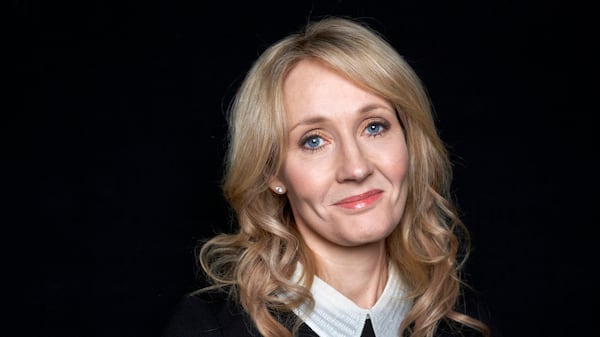
Lorian Hardcastle with the University of Calgary’s Faculty of Law and Cumming School of Medicine joins Alberta Primetime host Michael Higgins to discuss new legislation paving the way for Albertans to access private diagnostic testing without a doctor’s referral. This interview has been edited for clarity and length. Michael Higgins: How do you see this fitting into Alberta’s public healthcare dynamic? Dr. Lorian Hardcastle: The issue here is that we are experiencing health human resource strain. There are limited physicians, limited other health professionals, so if we have people increasing demand by going and getting their own tests that may require follow- up and whatnot, what we may see is people who really need those tests having to wait longer. MH: Primary and Preventative Health Services Minister Adriana LaGrange has stated Albertans are waiting too long for diagnostic testing. To what degree will this serve to expand or improve access? . LH: Certainly, there are people who are waiting too long or who have fallen through the cracks. The worry is that you have a finite pool of health professionals, and this is going to change who gets seen sooner. Under this kind of system, people who can pay will get seen sooner, and those may not be the people who most need testing. What we may see are those who most need testing waiting longer, unless there’s a significant expansion in the number of health professionals. MH: On the point of self-referral for diagnostic testing, what kind of ground is the government breaking here? LH: It’s extremely new ground. Typically, when we’re talking about things like blood work or imaging, those do require referrals across the country. This is quite new, and the worry is that while some people may self-refer because they don’t have a family doctor and genuinely need a test, other people may be more what we would call the “worried well”:- people who don’t really need these tests self-referring and then taking up resources. MH: Albertans will be paying out of pockets for self-referral tests, but is there a point at which the public health system picks up the tab? LH: What we’ve heard from the government is that if someone self-refers and self-pays for these tests and they reveal something serious – and that threshold hasn’t really yet been unpacked –- then the public system will reimburse them for that test. People may also be able to submit claims for these services to their insurers, and we don’t yet know how the insurance industry is going to handle these kinds of requests. MH: On that point, how much might this drive growth in American-style health insurance? LH: There will be American-style health insurance which really comprehensively covers all hospital physician services, because this is a fairly limited venue of services this is going to apply to. This is going to apply to, as we know, imaging and lab work, so developing an insurance market around that is unlikely, but there will be conversations around existing insurance plans that you have through your employer and whether or not they should be covering these things. MH: What kind of safeguards do you see being needed here to protect Alberta’s public health care system? LH: What we need are safeguards that will ensure people are prioritized who have been deemed to have a medical need for these services, then those who do not are waiting longer, but it’s unclear how that’s going to be achieved. We’ve seen other areas where this has fallen short. For example, we know the government has significantly expanded the use of private surgical facilities but hasn’t necessarily done a good job of making sure that people who need it most are accessing services most expeditiously. MH: On the surgical side, we’ve seen entrepreneurs step up to fill some of those slots. What kind of door does this open in the private marketplace where diagnostics are concerned? LH: There will be businesses queuing up for a piece of the pie. We’re talking about two things really. The diagnostic imaging piece, which requires ultrasound technicians, requires physicians and radiologists to interpret those scans. We may see physician entrepreneurs on that side of things. On the lab side of things, that requires phlebotomists who can take blood. We already have private labs in Canada like Dynacare and Life Labs and some other companies, so we may see a significant expansion of those kinds of companies that want to provide blood tests to people who are concerned about their health. MH: How costly might accessing these tests end up being? Will that cost need to be regulated? LH: We don’t yet know what these will cost, although we do have a bit of an idea since there are some private labs and private MRIs that already exist. If we look at lab tests, for example, they vary from under $100 to well into the hundreds depending what the specific lab is. Potentially, we may see the regulation of these costs. Certainly, if the government is the one paying, there will be regulation of what they’re willing to reimburse, but in terms of what individuals are willing to pay out of pocket, that could be just driven by supply and demand. The legislation really just sets the framework, and a lot of the details are going to be left to the regulations – what services this includes, when the government will reimburse people – so a lot is still unknown, and we probably won’t know until the fall.