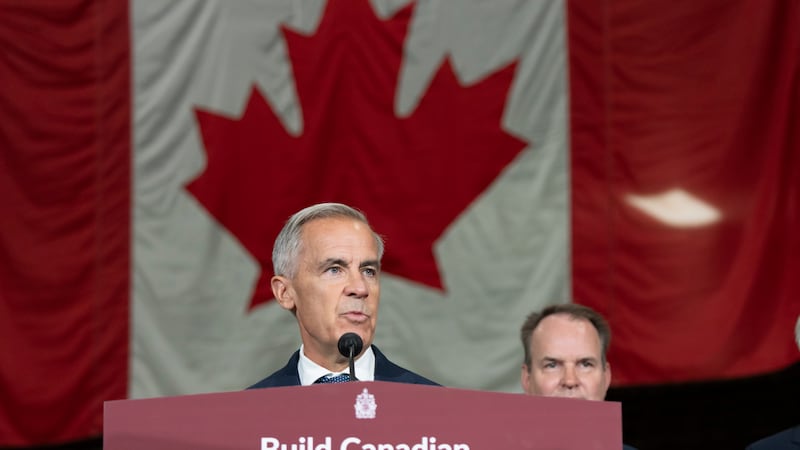
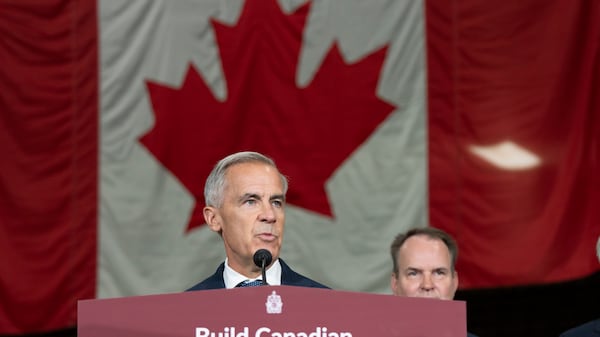
Chair of the Canadian Canola Growers Association and the Alberta Canola Producers Commission Andre Harpe joins Alberta Primetime host Michael Higgins to discuss the potential impact of a Canadian delegation to China on Canada’s canola industry. This interview has been edited for clarity and length. Michael Higgins: How confident are you the [Prime Minister Mark] Carney-led delegation will have some degree of success in getting Chinese canola tariffs dropped? Andre Harpe: We’ve been in discussions with the government for over a year now. More importantly, ever since September when we did meet with the prime minister, we have been in close contact and still relatively positive. We do get it, this is behind closed doors. This is in Beijing. So things do happen. But we’re still really positive. MH: What’s driving that level of confidence? AH: It gets back to some of the discussions we’ve been having, even with the prime minister in September, and it gets back to wondering what our concerns are and what he can do to help. Looking at conversations leading up to this week have been positive. Obviously we don’t know what is happening, but it sounds like in the background there is movement and I’m looking forward to good news tomorrow. MH: Saskatchewan Premier Scott Moe is in Beijing, right next to Mark Carney. What kind of a signal do you take from his involvement in this trade delegation? AH: I have to give kudos to Premier Moe. He’s been with us since I met with him in August, and he has really been pushing and really has been behind the canola industry. I really appreciate that. It was really encouraging when we found out he flew out last week to be with the prime minister and the delegation, and I take it that as a very good sign. MH: You’re an Alberta producer. Surprised there was no Alberta government representation included? AH: I would have really appreciated somebody from Alberta being there. At the same time, I do understand that canola exports for Saskatchewan are at the top of what they export. Obviously in Alberta there is probably more focus on energy. I have to admit, I really wish there would be more focus on agriculture. We’re actually number two for exports, and it would have been really nice to have somebody there on the Canadian delegation from Alberta. MH: How much leverage do you think the Carney government is able to bring to the discussions? AH: This is going to be interesting and it’s really hard to know. I’ve been asked more than once, what do you want out of these negotiations, and what do you think should be traded? I know international trade is complex. All we are asking for is to get the Canadian canola market flowing again. How you do it? That’s up to the negotiators, and ultimately up to the prime minister. MH: Ontario is firmly against the removal of the tariff on Chinese electric vehicles. What would warrant dropping that measure in favour of easing restrictions on Canadian canola? AH: I wouldn’t mind sitting down with [Ontario] Premier Doug Ford and having a discussion on that. To me it all has to be about balance. This is the second time in six years China has used canola as a wedge point or a negotiating point. We’re getting tired of it. It seems like we’re getting hit on the chin. We’ve lost between $2-4 billion of sales right now because of what’s happening. It’s huge. Canadian canola is grown across Canada, practically in every province. It’s a huge market. This is just not Alberta, this isn’t Saskatchewan, this isn’t Western Canada. This is Canada-wide. So we really need to look at how we are doing things. MH: If the Chinese tariffs are dropped, how quickly do you see market access being restored? AH: It’ll take a while, but I think what we will see is an immediate reaction in the price. Because the price has dropped substantially. Every time we get some news that things may be changing, you actually see the price change. I think we will see fairly quickly a price change, followed by sales into China. MH: We’ve spoken before about the push for boosting the domestic marketplace. Where do things stand with the federal government on say, a made-in-Canada biofuel sector? AH: We have been discussing it. One of the things we did when we met with the prime minister is we did ask for a working group to go forward with this. Because it gets back to the situation we’re in now. We don’t need to see this again. We did meet before Christmas. Out of that, we actually asked for a biofuel subcommittee. They’re taking it seriously. That subcommittee has actually already met. So things are going forward. Even in Alberta right now, we have a two per cent biofuel mandate. We’ve asked the Alberta government to take that to five per cent. It costs maybe a cent a liter at the very, very most. Not only would it make us look good in in the world’s eyes, but it would take a lot of canola, and it would help a lot.