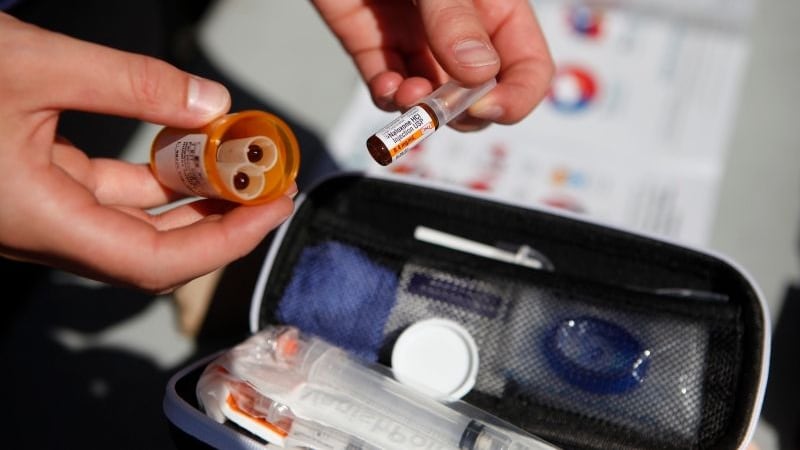
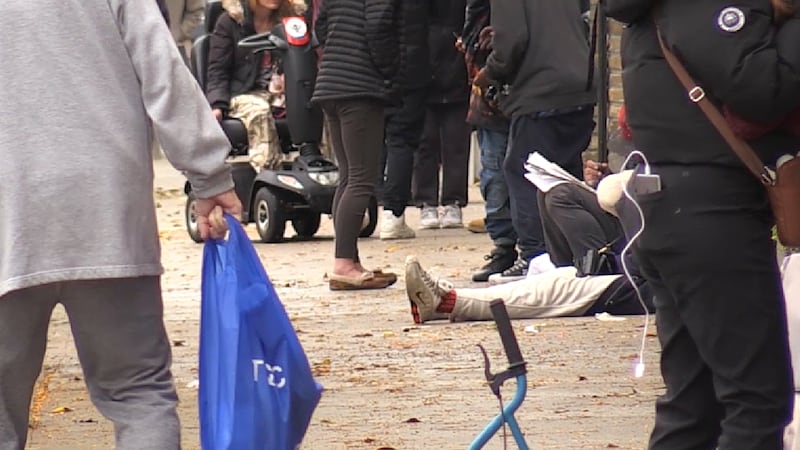
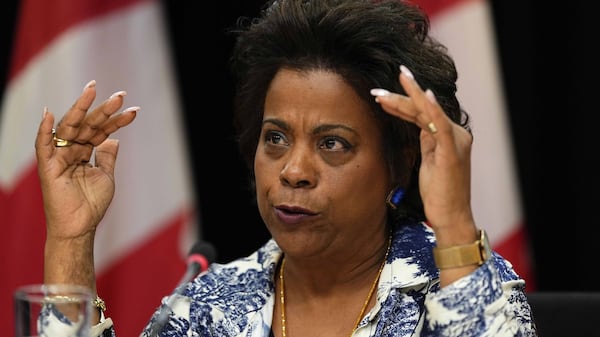
The mayor and council in Kelowna, B.C., have called on Ottawa to shut a supervised consumption site in the city’s downtown core, saying its impacts, including thousands of police call-outs and “significant and ongoing public safety risks,” have become unsustainable. “There’s nothing safe about a site that creates disorder for the surrounding community,” Mayor Tom Dyas said in a social media post on Tuesday. “People struggling with addiction deserve real pathways to treatment and recovery. And the people who live, work and run businesses downtown deserve to feel safe.” Dyas attached a letter to Health Minister Marjorie Michel asking Health Canada to deny the renewal of the authorization for the site on Pandosy Street next year. It said the request was being made on the basis of the site’s “significant impact on crime rates,” community opposition, and gaps in engagement and consultation. The letter dated Aug. 26 said the city recognizes the “devastating impacts” of the toxic drug crisis and the decision wasn’t made lightly. But the status quo wasn’t working, it said. The letter sent by Dyas on behalf of city council pointed to more than 3,400 RCMP calls for service related to the site and its immediate surroundings since it opened in 2021, along with about 370 medical incidents and 24 outdoor fires. Serious and recurring concerns near the site include gang activity, assaults involving weapons, intimate partner violence and drug trafficking, it said. “The criminal activity and disorder concentrated around this specific location are unsustainable, creating significant and ongoing public safety risks for our residents and visitors,” along with those accessing the facility, the letter said. It said the site has also contributed to what Dyas described as “growing compassion fatigue” among residents, businesses and front line responders. Kelowna RCMP would not confirm the number of calls to the site but said the force and the city routinely share crime data to help inform safety initiatives. Dr. Sue Pollock, chief medical health officer for Interior Health, meanwhile, said the site saw more than 37,000 visits and responded to 75 overdoses without a fatality in 2025, saving lives that may otherwise have been lost to the toxic drug supply. The letter from Dyas said city staff have worked to the mitigate the site’s impacts, but they remain unacceptable, despite engagement with Interior Health. The mayor said people struggling with addiction need better solutions. “When somebody overdoses two or three times a day, and they are left on the streets, and they recover through naloxone treatments … that’s not positive for them,” he said in an interview on Wednesday. “You are not treating them properly. You’re slowly basically decaying the individual in one way or another, and they will get to a point where there’s no recovery.” The hiring of additional firefighters, RCMP and bylaw officers to respond to the situation represented a “major downloading” of costs to the city, Dyas added. Health Canada did not immediately respond to an interview request. B.C.’s newly appointed health minister, Ravi Khalon, said the province had received Kelowna’s letter and would be responding directly “very soon.” Khalon said he looked forward to meeting with the mayor and other Kelowna officials at the Union of BC Municipalities convention taking place this month “and working together to address his concerns and improve care for people in Kelowna.” Overdose prevention services are important for keeping people alive, the minister said in a statement. Vancouver Mayor Ken Sim recently opposed the opening of a new overdose prevention site in the city, saying local officials had a “responsibility to maintain public order, safety and the reasonable enjoyment of neighbourhoods.” Kahlon directed Vancouver Coastal Health to stand down on the plan last week, a decision he said was made in agreement with the health authority. This report by Nono Shen, The Canadian Press, was first published Sept. 2, 2026.