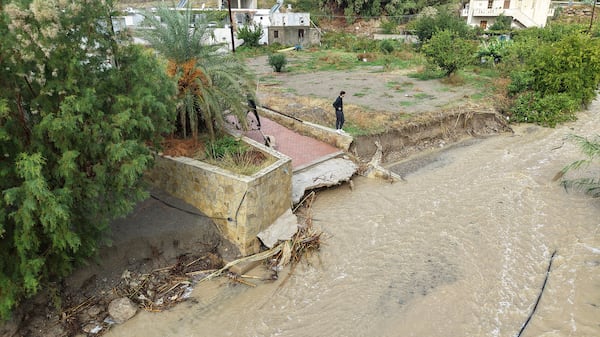
The Government of Jamaica, through its High Commissioner to Canada, is expressing gratitude for an “overwhelming” outpouring of support following the devastation wrought by Hurricane Melissa. High Commissioner Marsha Coore Lobban said offers of help have been received from all levels of government, but noted that the generosity from ordinary Canadians, beyond the Jamaican diaspora, has been particularly heartwarming. “We feel the love,” Coore Lobban said, adding that donations have ranged from medical supplies to lumber. The Category 5 hurricane caused widespread destruction, with Prime Minister Andrew Holness estimating the damage at US$6 to $7 billion, equivalent to about 30 per cent of the country’s gross domestic product. Approximately 120,000 structures, including many homes had their roofs ripped off. Roughly half the island still has no power. The current death toll stands at 35, a figure that may rise as isolated areas become more accessible. Grassroots and financial aid Canadian organizations are mobilizing to get aid to the island. Laurie Lyle with Kiwanis Eastern Canada and the Caribbean, said clubs around Toronto are taking essential supplies to drop-off centres. “We’re going out this weekend to try and fill them up,” said Lyle as she met with officials at the Jamaican consulate. The Kiwanis Foundation of Canada has also pledged significant financial support, matching one dollar for every three donated, up to a total of $200,000. “With our heart, hands and hope, we’re pulling all our partners together right across Canada to mobilize and ensure we get assistance on the ground at the earliest,” said Hugh Simmonds, president-elect of the Kiwanis Club of Toronto. Personal stories of loss For many Canadians of Jamaican descent, the crisis is deeply personal. Chris Pryce has family members in St. Elizabeth Parish, whose homes were destroyed after suffering extensive water damage when the roofs were ripped off. “From the pictures that we’re seeing, it’s catastrophic,” Pryce said, noting that his relatives, like many others in developing Caribbean nations, did not have property insurance. “Typically, insurance is just not a thing that people do in the Caribbean... Unfortunately, it’s going to be just a lot of heavy lifting for people for not only the next couple of years, but it could take a generation to recover,” he said. Pryce has set up a GoFundMe to help his cousin and sister rebuild. Long road to recovery Coore Lobban confirmed key sectors such as fishing, farming, and tourism have been severely impacted. In addition, there’s been widespread damage to residential, commercial, and municipal buildings. “Some people have been left with just the clothes they were wearing when the hurricane hit,” she said. She emphasized the resilience of the Jamaican people before stressing the need for sustained international help. “It’s going to take some time before we get back to full recovery.” Canadian military assessment The Canadian government is among those providing support. In addition to $7 million in humanitarian aid, a Canadian Armed Forces team of approximately 20 members arrived in Jamaica earlier this week. According to a Department of National Defence spokesperson, their mission is to assist Global Affairs Canada in assessing on-the-ground needs, which will enable follow-on support for humanitarian assistance and disaster relief operations. Efforts are currently ongoing to clear roads and deliver aid to isolated areas in parishes like St. Elizabeth, St. James, and Trelawny.