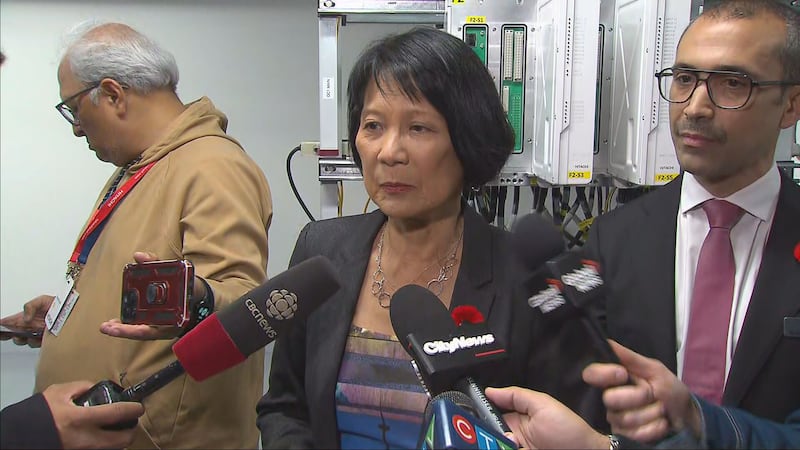
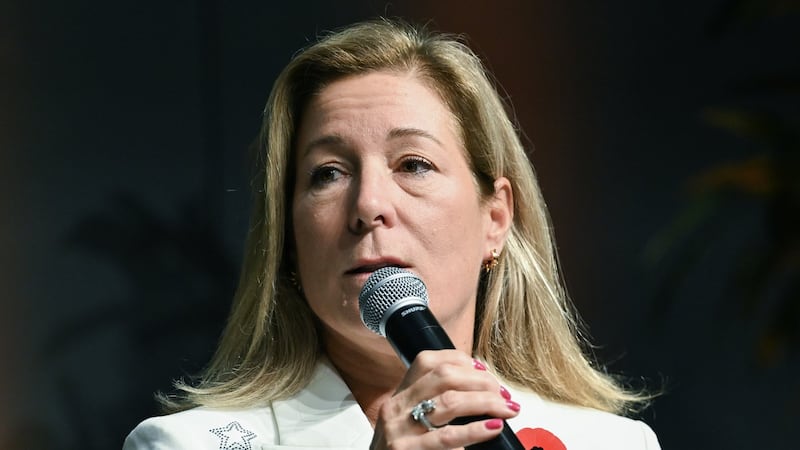
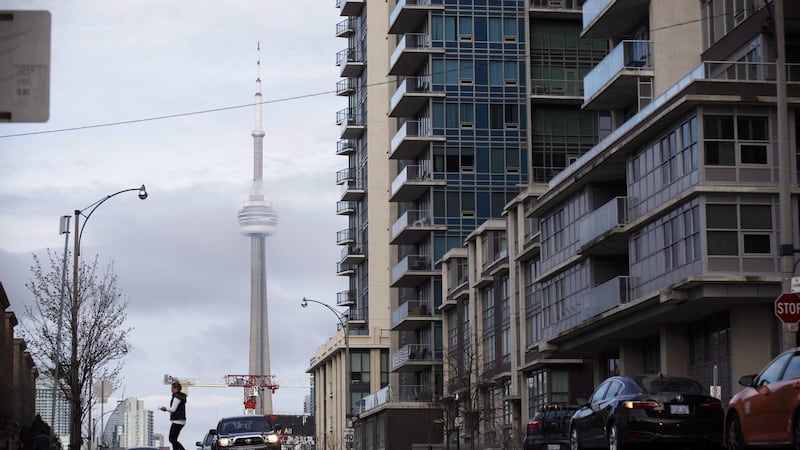
Toronto is implementing a hiring freeze as it stares down a shortfall of $1.1 billion in its 2027 budget. Mayor Olivia Chow confirmed the measure while speaking with reporters on Friday, noting that it will not impact essential roles, such as those for front-line paramedics and firefighters. Chow also pointed out that the City of Toronto implemented a similar hiring freeze at this time last year that she said generated millions of dollars in savings. “I want to assure the public there is no change to frontline services. We are continuing to hire all frontline folks, whether it is fire, ambulance, paramedics, community crisis workers,” Chow said. “However, anything that is not frontline we have a freeze in place so, like last year, we can do the line-by-line review to find the savings.” In a statement to CTV News Toronto, city spokesperson Russell Baker said the pause applies to most positions, including recruitments already underway where an offer has not been made. He said that the freeze is in response to “financial pressures” faced by the city. “We began pausing most recruitments earlier this week, including recruitments already underway, unless an offer has been made,” he said. Baker added that vacant front-line paramedic and firefighter positions will continue to be filled, along with other roles where there are legislative, operational or service needs. No new deal with Queen’s Park News of the hiring freeze comes days after Premier Doug Ford ruled out a so-called “New Deal 2.0″ with the city to help address the city’s financial woes. The original new deal was inked between the province and the city in November, 2023 and saved Toronto billions of dollars by uploading responsibility for the Gardiner Expressway and Don Valley Parkway back to the province. It provided $1.2 billion in operating support over three years, but that came to an end in 2026. Chow told reporters that while there will be no so-called “New Deal 2.0,” the city still needs a long-term financial solution. “As to that new deal earlier on, it was always interim. We have to find a path forward for a structural financial solution,” Chow said. The mayor said she had anticipated the possibility that Ontario would not agree to another deal and that her team had been preparing documentation outlining the outstanding issues faced by the city. “All of those elements are still outstanding, and we’ll instead of putting it in the package, we’ll do it piece-by-piece,” she said. “The conversation (and) negotiation will continue.” $1.1 billion budget shortfall Toronto has projected a budget shortfall of approximately $1.1 billion in 2027 and Chow told reporters that the TTC is “facing a fairly severe financial deficit” due to rising fuel costs, which is exacerbating the city’s financial challenges. Chow initially inherited a $1.8-billion shortfall when she was first elected in 2023. She sought to address it through two significant property tax increases and the funding agreement with Ford’s government. However, Chow promised during her recent re-election campaign that she would keep property tax increases to around the rate of inflation and reiterated that commitment on Friday. While Ford has ruled out another comprehensive agreement, Chow said she remains hopeful that discussions with both levels of government will produce results. She pointed to the federal budget, saying she was “very encouraged” by its commitments on housing and efforts to address homelessness. But she stressed that building supportive housing also requires provincial operating funding to ensure residents receive the services they need. “We need the provincial government to step up and provide the operating funding for those supportive housing,” Chow said. She said she hopes Ontario will reach an agreement with Ottawa to accelerate the construction of supportive housing and help address homelessness. “It gives me hope that we can get something worked out,” she said.