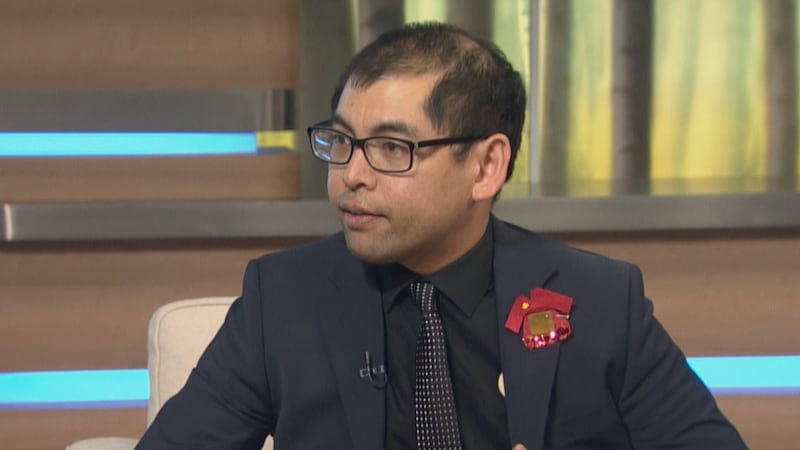
Digital investigations involving dangerous threats, often require a heavy workload of online research by police. “These kinds of crimes have no borders,” said Cpl. Mandy Edwards with the Nova Scotia RCMP, who added, police usually work closely with social media platforms to uncover suspicious messages and internet activity that could be perceived as dangerous. “It is usually because an electronic service provider, such as Facebook or Instagram, notes something of concern.” That’s what happened In February, when RCMP and Bridgewater N.S. police alleged a 14-year-old in Rivers Man. began talking online with a 15-year-old in Nova Scotia, about allegedly planning simultaneous attacks on schools in both provinces. The alleged plot was uncovered, following a tip from Interpol and the FBI, and both teens were arrested. “Depending on what is said, the details that are provided, the extent of the plan or conversation, that all has to be evaluated,” said Edwards, who pointed out that law enforcement in Canada, must adhere to privacy laws when monitoring online messages. “Unless we are notified of a threat, or we obtain judicial authorization, that’s when police will be able to review emails or text messages.” Cyber security Analyst Ritesh Kotak, said the dual-province case and subsequent arrests were an example of a thorough and highly technical digital investigation, with multiple law enforcement agencies working together. “With a case like this, you need police to be competent in traditional ways of policing, but also in new ways of policing as well,” said Kotak. Following the mass shooting in Tumbler Ridge B.C. that saw eight people killed, Kotak said there is now an increased level of awareness for these types of threat, as police look for strategies on how to stop the violence. According to Kotak, one the biggest challenges is, when to determine if a threat is real, and when legal action should be taken. “It is very difficult to decipher fact from fiction, and it still requires really good investigators that are trained to be able to take a piece of information, to know if it is pertinent or irrelevant,” said Kotak. Like any traditional investigation, analyzing online threats requires a basic assessment by police. “Depending on what is said, the details that are provided, the extent of the plan or conversation, that all has to be evaluated,” said Edwards. Kotak said progress has been made when assessing online threats, but argued that social media platforms still need to be more vigilant when reporting suspicious online activity. “At what point should platforms be held accountable, to be told to turn over certain pieces of information that could lead to an arrest,” said Kotak. Kotak believes law enforcement still needs increased levels of staffing, training and investigative support, to allow them to continue to successfully identify possible online threats.