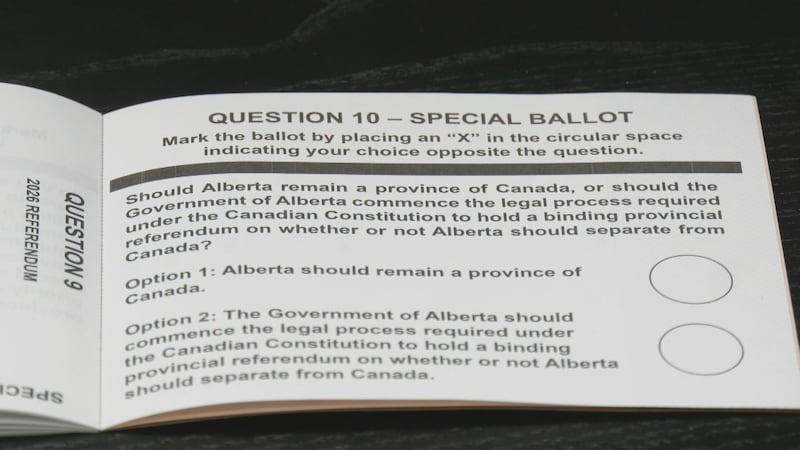
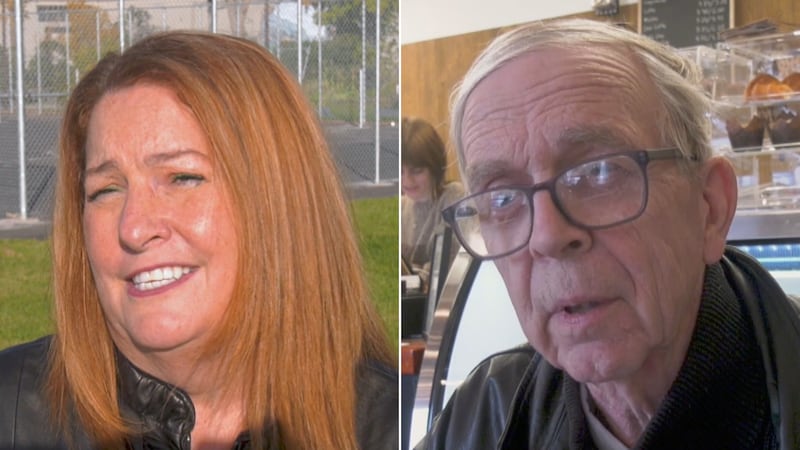
Opposition parties and democracy watchdogs are criticizing the Alberta government, saying the recent decisions to stop time changes and reject a majority report on electoral boundaries are a signal direct democracy in the province could be at stake under Danielle Smith’s government. The province announced Monday it would move ahead in adopting daylight time year-round, despite the outcome of the 2021 referendum asking Albertans whether they wanted the change. Opposition NDP Leader Naheed Nenshi said the move points to a larger democratic concern that should “alarm all of us.” “They (the UCP) don’t actually care what Albertans think,” Nenshi said. “Daylight savings time that actually went to a referendum and it failed, and the premier’s (changing) it anyway.” In announcing the change, Service Alberta and Red Tape Reduction Minister Dale Nally said the 2021 referendum result is no longer relevant. “The facts on the ground have changed, and so we have to make a decision accordingly,” Nally said. Calgarians interviewed by CTV News questioned why the province is preparing to spend millions on a set of fall referendum questions if results may later be ignored. “If you’re just going to change everything, just do it and not waste our time and tell us we’re not free,” Kyle Smith told CTV News. Heather Gamber said many Albertans appear to feel the government is acting without consequence. “I think a lot of people in the province are concerned that the provincial government is just kind of doing whatever they want,” she said. “I think they feel kind of untouchable right now,” she said. Those concerns deepened for many on Tuesday when the government limited debate in ignoring the majority report of the electoral boundaries commission and moving to appoint a new committee to draft how and where Albertans will vote. Government House Leader Joseph Schow defended the move. “The motion is just a tool that we’ve made available to ourselves,” Schow said. “(It) shouldn’t be necessary, but we do need to get through this debate so that we can move on to other legislation.” Calgary Mayor Jeromy Farkas said the government’s approach raises concerns both about the democratic process and about Calgary’s representation in the legislature. “I would say that it is concerning that instead of accepting the findings of that majority report, that instead they’re moving to a more partisan approach,” Farkas said in an interview. “Central to me, though, is just representation for Calgary. I do not want to see our representation further diluted.” He said the decision to reject the majority findings of a non-partisan panel has already cast doubt on the process. “The way for the province to demonstrate that this is an impartial process, completely apolitical, would have been to simply just summarily accept the recommendations the majority report,” he said. Duff Conacher of Democracy Watch said the decisions on both the referendum and the electoral boundaries report point to a wider erosion of democratic safeguards in Alberta. “Overall the Alberta government has been sending very clear signs that are dangerously undemocratic in the past several years,” Conacher said. Governments can legally disregard referendums in Canada’s parliamentary system, Conacher said, but doing so after presenting one as binding is undemocratic. On electoral boundaries, Conacher said he believes the government’s proposed new process may be unlawful given there are pre-existing laws that dictate how electoral boundaries are set. He said the province could create a new commission but not simply move outside the process set out in law. “The government can disregard it, but to set up a parallel process is actually illegal because there is a statute that says this is the process for changing boundaries,” Conacher said. “I don’t think they can go outside of the statute and, just set up whatever kind of committee they want that the ruling party controls.” Conacher said Albertans should be paying close attention, because the government is weakening democratic protections “by reversing key safeguards” and “replacing watchdogs with the lapdogs that the ruling party wants.” That trend isn’t limited to Alberta, he said. “We’ve seen it across the political spectrum in Canada in terms of governments following Donald Trump’s example of disregarding democratic, good government laws, and guardians and guardrails,” he said.