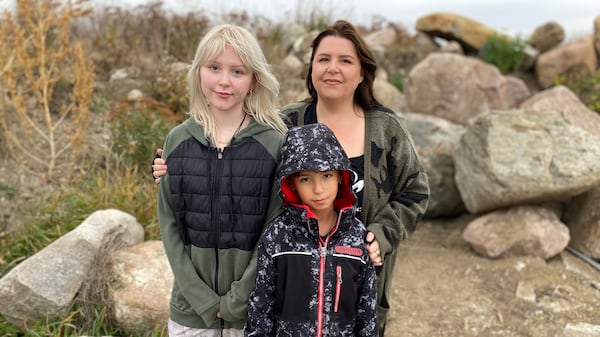
Canada’s largest logging company is hosting an open house to review its plans to harvest trees in the West Bragg Creek and Moose Mountain areas. West Fraser (formally Spray Lake Sawmills) plans to clearcut 268 hectares near West Bragg Creek and another 288 hectares in the Moose Mountain Trail Networks. The total harvest planned for both areas west of Calgary, slated to start in October 2026, is set for 556 hectares, a 37 per cent reduction than what the company initially planned. “We made sure to minimize and work together to come up with the best plan for both groups,” said Tyler Steneker, woodlands manager with West Fraser. The company also altered the placement of a logging road. “That road will turn into a trail when they’re done, so it’s been a very collaborative process. Very pleased with what has transpired so far,” said Mike Duszynski, executive director of the Bragg Creek Trails Association. Many trail users are not pleased. Some think the area is too valuable to be logged at all. “I’m frustrated that this is still moving forward. Small area, high social value. This is too important to the population of Calgary,” said Jeff Woodgate a Bragg Creek resident and representative of the Moose Mountain Bike Trail Society. Many wonder why the company doesn’t choose a different area, rather than the two small zones surrounding a rapidly growing, year-round recreation area. “I want to see these areas protected. I love to use them. (My daughter Josephine) is going to love to use them in the future. Why target such a high recreational area? If we’re here to engage the public, then listen to us,” said Calgarian Hannah Macklin. Maps show harvesting and planned roads will cross popular trails, such as Fullerton Loop, Strange Brew and Race of Spades. These trails are used year-round by outdoor enthusiasts and recreation groups for things like mountain biking and cross-country skiing. While logging is part of the provincial government’s focus on a resource-based economy, advocacy groups say the long-term impacts outweigh the short-term gains. “There needs to be a real acknowledgment of the value of this area. It brings between $10 (million) to $82 million in GDP to the province annually,” said Shaun Peter with Guardians of Recreational Opportunities in Wilderness (GROW). Local groups advocating for the protection of these areas are fighting for the project to be shut down entirely. “This is really a prime, unique, highly valued recreation area that’s needed now more than ever,” said Lisa McLaughlin with the Calgary Trail Runners. McLaughlin notes that volunteers have spent hundreds of thousands of hours building and maintaining these trails. In addition, users must hold a Kananaskis conservation pass to be able to visit, which raises the question about the true purpose of this fee and why users have been charged to access areas that are also allowed to be logged. “People certainly understand the need for forest management, for logging, for wildfire prevention, but at the same time people also love these trails. It’s a place that a lot of us find physical, mental, social well-being and we really don’t want to see the quality and our experience there be disturbed,” McLaughlin said. The open house takes place Wednesday at The Cochrane Ranchehouse from 10 a.m. to 1 p.m. and 3 p.m. to 7 p.m. On Thursday, it will take place at the Hillcrest Fish & Game Hall from 4 p.m. to 7 p.m. West Fraser says the final plan will be submitted to government next spring prior to harvest operations, which are currently scheduled to being in October 2026.