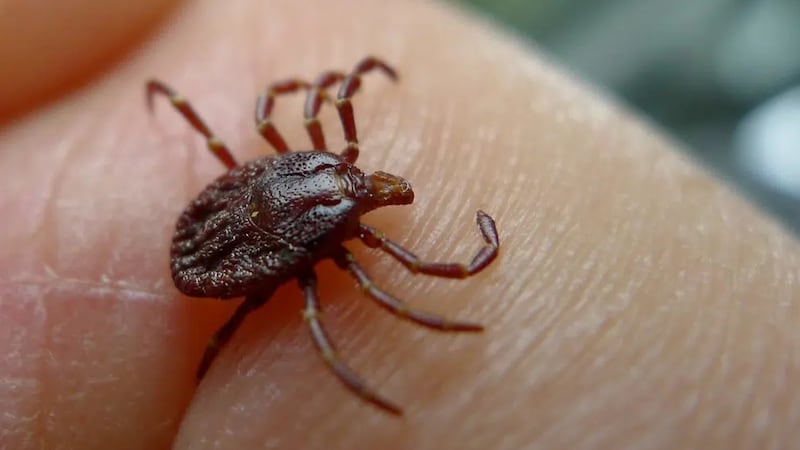
Seven degrees and sunny in mid-November brings a lot of people out for a walk, but it’s also warm enough for ticks to be just as active. “We’re seeing now specifically a booming tick population,” says Nicoletta Faraone, the head of the Canadian Tick Research and Innovation Centre at Acadia University. “It’s something we’ve been experiencing for many years now.” With ticks comes tick-borne illnesses. Health Canada numbers show Nova Scotia trails only Ontario in rates of tick-related disease. “It’s not just responsible for the transmission of the pathogen that causes Lyme disease, but we’re also seeing cases of anaplasmosis,” Faraone says. Professor Faraone has been studying ticks for nearly a decade. She recommends wearing tick repellent products when in tall grass or wooded areas, wear proper clothing and do a tick-check when you get back home. If you think you’ve been bitten it’s important to seek medical advice immediately. “It’s very important to go to a pharmacy and you can get prescribed doxycycline, so the antibiotic treatment, or you could talk to your doctor.” Protecting your pets is just as important. “There are ticks, I’ve been at this park for all my dogs, thousands of times,” says dog owner Jennifer ten Wolde. “Many people are exposed to a tick bite because pets accidentally bring ticks inside the house so it’s important to include them in the practice of tick bite prevention,” says Faraone. Professor Faraone doesn’t want people to stop enjoying the outdoors but with ticks being a problem 12-months a year, she says vigilance the best defence against ticks and the diseases they carry. For more Nova Scotia news, visit our dedicated provincial page