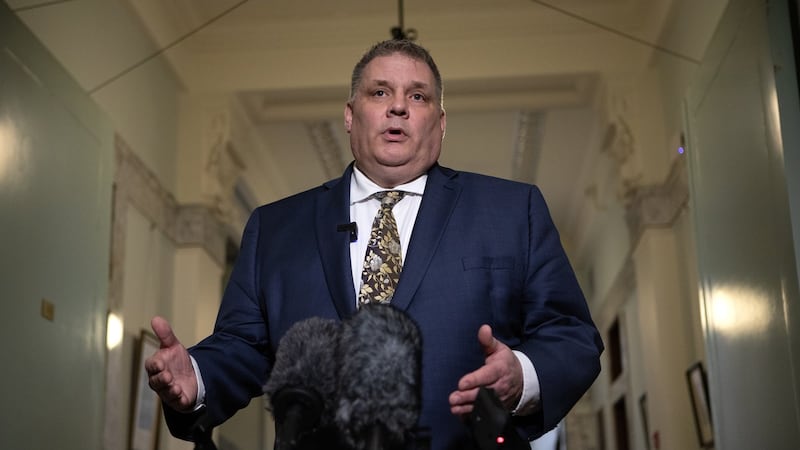
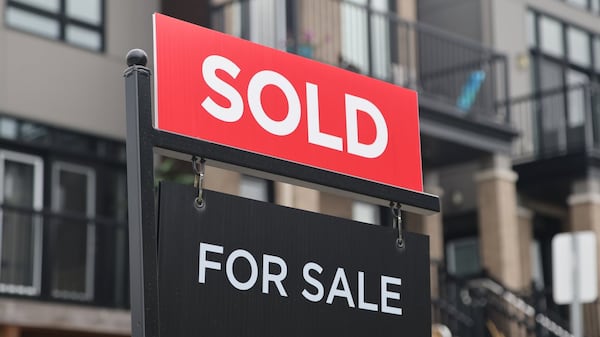
Calgary mayor Jeromy Farkas is floating the idea of a possible plebiscite to push back against education property tax hikes from the Alberta government. “Asking any question of Calgarians is very serious, but we want to continue to fight for our fair share,” Farkas said Wednesday. In a special meeting called to address what he calls “transfer payments” from Calgary to the province, the mayor suggested Calgarians should be asked about a mandate to fight back, much like Alberta’s referendum against federal equalization payments in 2021. “Some people have said that the state of the increase of the transfer payments, the property tax increase from the provincial government, is akin to how some would describe Alberta’s treatment in terms of confederation,” the mayor told reporters. “That was largely the mandate that was brought, as part of the provincial government placing a question on equalization and tax fairness ... to Albertans to be able to build a mandate to be able to work with the federal government on that.” As part of Budget 2026, tabled by the province last week, the education property tax requisition from all municipalities is going up. Calgary alone is on the hook for more than $1.2 billion to the province, up about $200 million from the previous year. It means the average single-family residential property owner in Calgary will pay $339 more (a 21 per cent increase) to the province this year, while condominium owners will pay $129 more (a 15 per cent increase). No formal motion was tabled to start the process to consider a plebiscite or craft a possible question. The city’s returning officers says a standalone plebiscite would cost about $12 million. “I’m a fan of plebiscites. Putting something out to the people, there’s no more direct democracy than that,” said Dan McLean, the councillor for ward 13. “Even if there is a cost, there is a discussion to be had whether maybe the City of Calgary collects our education taxes in the province. So I’m willing to have that conversation,” he said. Another idea suggested to make it more clear to taxpayers where money is going is to send two different property tax bills — one each for the city and the provincial government — but city officials said Wednesday it would go against the Municipal Government Act to do so.