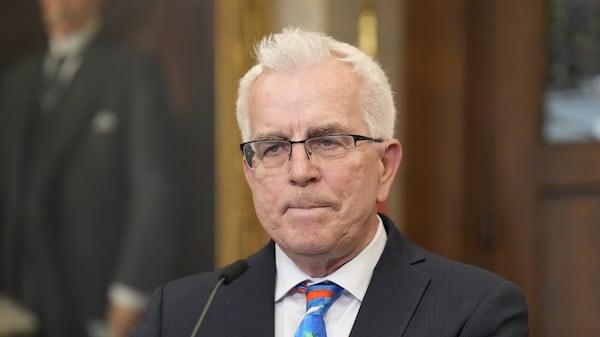
Georgian College is shrinking its workforce as officials grapple with a sharp decline in international student enrolment following Ottawa’s cap on study permits. Georgian anticipates a 45 per cent drop in international student enrolment for the upcoming academic year compared to 2023-24. To address the shortfall, Georgian says 229 positions - or 22 per cent of the college’s full-time workforce - have been impacted in the last year since the international student enrolment policy changes were first announced. The college said the adjustments include voluntary retirement, layoffs, standardization of support staff hours, and expanded summer semester teaching assignments. Most recently, the job cuts included 45 layoffs and 31 voluntary retirements. Ten vacant positions will not be filled. “None of these decisions have been made lightly, but out of necessity of our financial situation,” stated Georgian College President and CEO Kevin Weaver. “Deciding to lay off our people is extremely difficult.” The college is projecting a $45 million deficit for the 2025-26 academic year, with an estimated financial gap of an additional $15 to $20 million for 2026-27. While no programs have been cancelled yet, some new student intakes have been suspended due to lower enrolment. “Georgian’s domestic enrolment has been increasing yet that growth is not sufficient to cover the gap arising from international student declines,” the college noted in a Tuesday release. International students previously made up 50 per cent of Georgian’s total student population. Tourism and hospitality programs were hit particularly hard, as many international students were enrolled in those fields. Georgian staff are making changes to how some programs are offered to address the financial gap. “In programs where enrolment declines are significant, wherever possible, Georgian is providing alternative delivery formats to keep the programs available to meet labour-market demands and provide students with the skills required in today’s economy,” the release added. Weaver emphasized how the changes to post-secondary would ultimately impact the economy. “One of the many unfortunate consequences of the cumulative impact facing Ontario colleges right now is that there will be a diminished talent pipeline for key sectors as the number of graduates will decline.” The college’s president and CEO noted how reduced student spending locally would mean an estimated loss of $17.6 million. “Now more than ever, postsecondary, government and industry need to work together. As we face looming tariffs, our economy may experience major disruption to supply chains and jobs. Ontario colleges play a critical role in upskilling and reskilling our labour force as businesses, grow, diversify and innovate.” The federal government’s cap on international students was first introduced in January 2024, aiming to reduce overall numbers by 35 per cent. Nine months later, another 10 per cent cut was announced for next year. With files from CTV’s Christian D’Avino