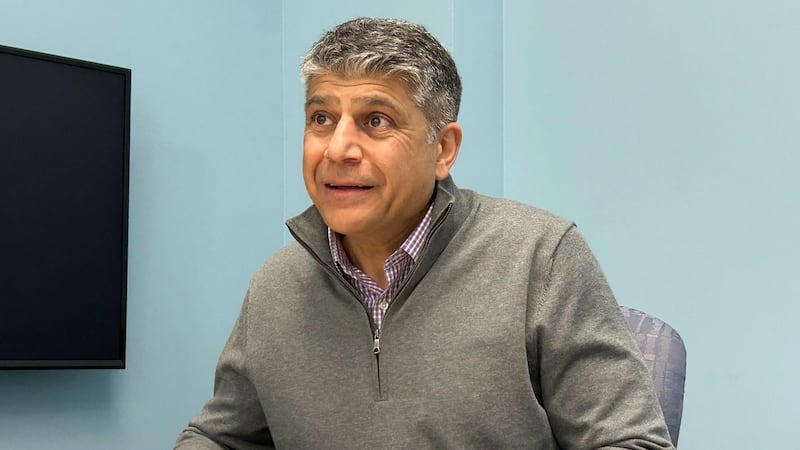
The high-water mark at one of the Halifax’s main water supplies has risen dramatically since this summer. “Lake Major has returned back to normal levels,” says Brittany Smith, a communications advisor with Halifax Water. Consistent precipitation has fallen since drought conditions this summer and fall forced Halifax Water to implement mandatory conservation measures for homeowners. While appropriate water levels have returned to Lake Major, another of the city’s main sources is still struggling to refill. “Pockwock Lake is still low. It’s approximately 4 feet from being full,” says Smith. That’s despite mother nature already adding four feet of water to the lake over the winter. Smith says voluntary measures are still in place for residents on both water sources. “Our concerns is that we are not going to see a lot of precipitation this winter and then in the spring. We don’t want to be back in the same situation where we were this past fall,” says Smith. Farmers also felt the effects of a dry season where the lack of rainfall turned many fields into dust, but there is still reason for optimism. “Looking at the ponds and things around, they are refilling for sure,” says the past president of the Nova Scotia Federation of Agriculture, Allan Melvin. While appreciative of the rain that has come down, Melvin says growers would like to see more snowfall. “I would say that with the rain falling on frozen ground a lot of it ends up in the rivers and then ultimately flows out to the ocean, so while we’re capturing what we can in our ponds and our reservoirs, there is a lot of loss, it doesn’t absorb entirely into the soil.” Smith says she would rather the same. “Snow is more ideal because you have that slow melt which is more helpful than the rain where a lot of it can end up in our storm drains,” says Smith. Melvin says farmers are adjusting to the drier conditions but like Halifax Water, they’ll take all the precipitation they can get over the winter. For more Nova Scotia news, visit our dedicated provincial page