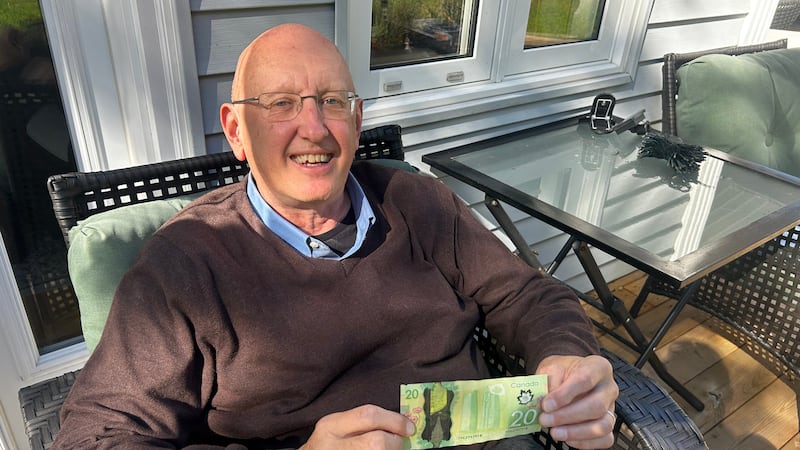
The Nova Scotia man at the centre of a Canadian Charter challenge is calling a judge’s ruling against the province’s 2025 woods ban a major win for individual rights and freedoms. Nova Scotia Supreme Court Justice Jamie Campbell issued a decision Friday saying the province acted “unreasonably” when it implemented a sweeping provincewide ban, prohibiting the public from entering the woods during a tumultuous wildfire season last summer. The Nova Scotia government banned travelling in the woods on Aug. 5, 2025, to prevent wildfires as the province faced a long stretch of hot, dry weather. Hiking, camping, fishing and the use of vehicles in the woods was also banned and trail systems through the woods were closed. Jeff Evely, who challenged the decision in court, felt confident they had a strong case that his rights and freedoms were dismissed when the government implemented the travel ban in the woods. “I had a sense he (the judge) was understanding our side of the arguments,” said Evely. The retired Canadian Armed Forces member was fined more than $28,000 after he entered the woods near Sydney, N.S. It was a deliberate act, which Evely streamed live on social media – a move he felt necessary so he could challenge the travel ban in court, to argue why it violated his Charter rights and freedoms and those of other Nova Scotians. “There was absolutely nothing in the record that was provided by the government anywhere that showed they had mentioned the Charter rights, let alone carefully considered the impact the proclamation had on them,” said Evely. Justice Jamie Campbell agreed. In his decision, he said the judicial review was not about the emergency the province faced from the wildfire threat and the extremely dry conditions, but about government process and how the woods ban decision was made. “The issue here is not about the balancing of community safety and individual rights,” wrote Campbell. “It is about the decision-making process.” During the judicial review case, the court heard and saw evidence about how the province moved to restrict access of people in the woods to protect the land from fire risk, but arguments from Evely’s lawyers argued they found no evidence that government officials considered the Charter rights of ordinary users of the woods when the ban was being drawn up and implemented. “The Supreme Court of Canada has held that when a decision that limits Charter rights or engages Charter values does not consider those rights or values, the decision is unreasonable,” wrote Campbell in his 17-page decision. The Canadian Constitution Foundation (CCF), which also challenged the woods ban and was made an applicant in the review, said the decision should serve as a reminder to governments that they need to consider Charter rights in their decision-making. “What this decision does is, it makes clear that if governments are going to take extreme measures, they need to take people’s Charter rights into account,” said Josh DeHaas, litigation director with the CCF. “They didn’t do that here, and that’s the main problem.” Evely told CTV News he expects his woods fine to be ripped up. “I think the general expectation is that the Crown is going to withdraw the fine,” said Evely. For more Nova Scotia news, visit our dedicated provincial page