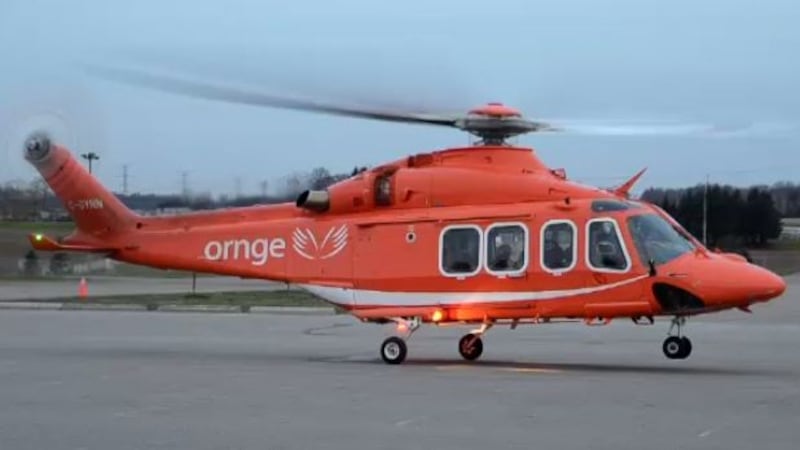
Wildfire season is here and Nova Scotia’s Department of Natural Resources and Renewables is down to just two helicopter pilots. DNRR officials said they had three pilots on staff as of last week but one left to join the RCMP, which leaves them four short of the six positions needed. The province blames a global shortage of pilots for creating the staffing problem and says in the last year they have boosted wages to be more competitive with other provinces and private companies across the country. But still the staffing gap leads to a public safety concern, especially if the province was to see another record wildfire season like in 2023. “Anytime you have vacancies in the organization it’s going to create operational pressures,” said Scott Tingely, manager wildfire services with DNRR. Tingley says emergency response and public safety remains the priority and that’s where resources will be prioritized. “We haven’t had any material impacts on any of those operations and we’ve been able to respond to, to any requests for assistance, that we’ve had from other agencies,” said Tingely. The province has had two helicopters dedicated to the search in Pictou County for the missing children and has been working alongside an RCMP helicopter as well, for the last number of days. Officials say they have a contingency plan in place to bring in more contract pilots if needed during an emergency but remain optimistic they can add some new hires to the provincial team in the coming months. “We are aggressively recruiting,” said Tingely. “But it’s a very competitive market.” NSGEU president Sandra Mullen says there should be an urgency to fill the helicopter vacancies and ensure these four public service jobs are protected. “Nova Scotians deserve and expect us to be able to rise to these occasions and deal with these wildfires and deal with these emergencies as they come,” said Mullen. “We know that these services are required and we have to be able to deliver them always.” Mullen says a competitive wage analysis was made last year that showed Nova Scotian pilots were among the lowest paid in the country but did confirm wages have since been adjusted to position the province closer to the middle of the pack. “We worked with the public service commission outside of regular bargaining to see some market adjustments which were huge increases (to wages),” said Mullen. Despite the wage increase there’s still on-going staffing issues. For more Nova Scotia news, visit our dedicated provincial page