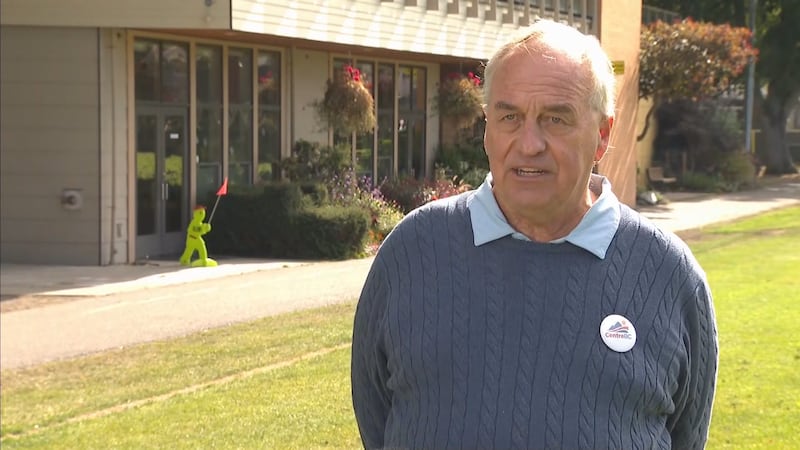
Unions representing employees who work with vulnerable children and seniors in New Brunswick say the provincial government isn’t moving fast enough to fix “a broken system,” following the release of two scathing reports about Department of Social Development responses. N.B. Rehabilitation & Therapy CUPE 1418, the New Brunswick Council of Nursing Home Unions, and Educational Support Staff CUPE 2745, sent an open letter to the provincial government on July 22 calling for “meaningful change to fix a system that is not evolving fast enough.” “Lives are being lost, youth are losing crucial support, and frontline workers are reaching a breaking point,” says the letter. “The emotional and psychological toll of constantly being forced to do more with less, and a feeling they are letting vulnerable people down, is becoming unsustainable.” The leaders of the three unions hosted a news conference in Fredericton on Wednesday, saying their concerns received no response from the provincial government. “The sole response we received was from Kelly Lamrock,” said Sharon Teare, president of the New Brunswick Council of Nursing Homes. Lamrock, the province’s child, youth, and seniors’ advocate, has released two reports in recent months detailing failures within the Department of Social Development. In May, Lamrock released a report titled “Nobody’s Problem,” which tells the story of “Bobby,” a 16-year-old in government care who was addicted to fentanyl and died of an overdose. The report said Bobby was denied housing and addiction aid because he was homeless, despite repeated warnings to the province for intervention. The report concluded that Bobby’s death was preventable. In June, Lamrock released a report titled “Death by System,” which tells the story of “Alice,” a woman with advanced dementia who wandered away from her special care home 12 times before it ultimately led to her death. The report said staff gave repeated warnings about how Alice needed a more secure care home. The report concluded that Alice’s death was preventable. The stories of Bobby and Alice were referred to several times during the news conference. Teare says both stories have had a profound impact on front-line workers. “We’re stretched to the limits of what we can provide,” said Teare. “You’re leaving at the end of the day feeling that you haven’t provided the quality of care that seniors so deserve.” Shawna Morton, president of CUPE 1418 – which represents social workers, child protection, probation officers, rehabilitation and therapy staff – said rates of homelessness, addiction, and mental illness have increased steadily, causing a “workload crisis like never before.” “Let’s be clear, the tragedy of “Bobby” and “Alice” didn’t happen because a 1418 member didn’t care enough to do their job,” said Morton. “It happened because there are way too many needs and demands on a workforce that already had difficulty managing for decades.” In a statement, Social Development Minister Cindy Miles said the concerns of front-line workers are being taken seriously. “We have received the letters from union leaders and are evaluating the concerns and suggestions they have outlined to better understand what changes are needed within our systems,” said Miles. For more New Brunswick news, visit our dedicated provincial page.