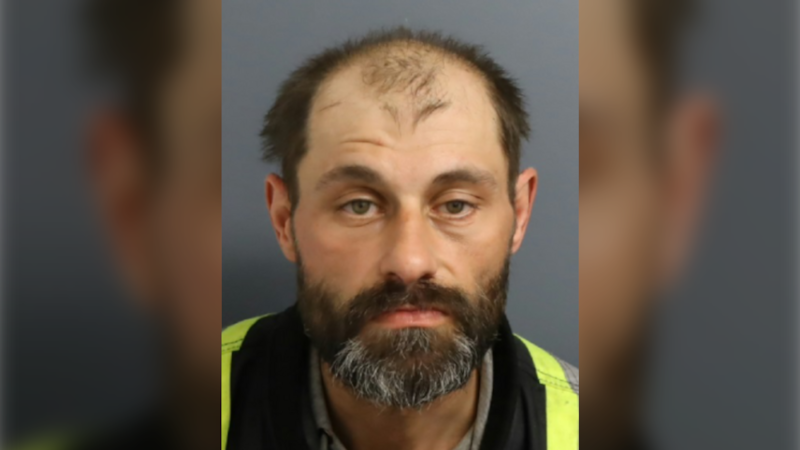
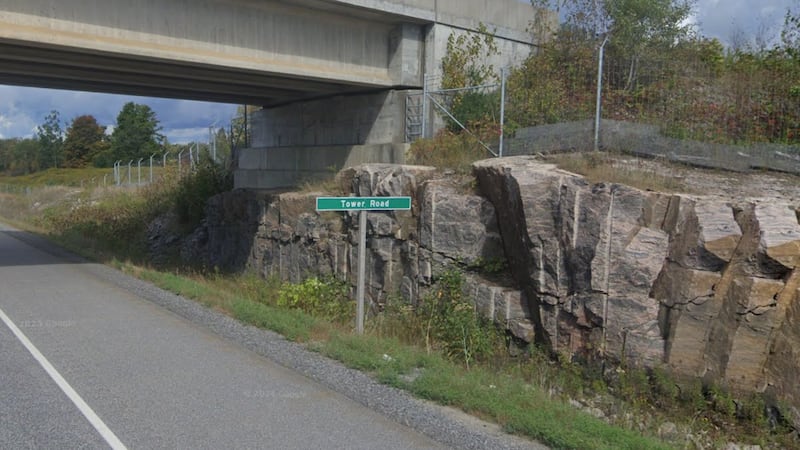
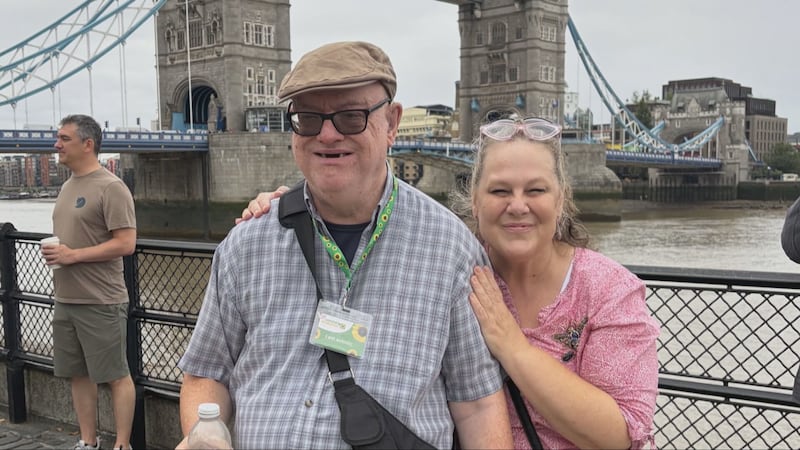
The man who shot and killed a New Brunswick police officer almost 40 years ago has been granted day parole, according to the daughter of the victim. In an interview with CTV News on Monday, Valerie Aucoin said Anthony Philip Romeo was granted day parole after a hearing at Dorchester Penitentiary last Thursday. Romeo received a life sentence for the shooting of Highway Patrol Const. Emmanuel Aucoin during a traffic stop near Fredericton in March 1987. Valerie said Thursday’s parole hearing was a long process and she’s waiting on more details and a full report, which she expects to receive within two weeks. The 62-year-old Romeo is an American citizen and could be deported back to his home country. “Is he already out? Is he in a halfway house while waiting to be brought to the States, or is he already in the States? I don’t know how fast all those processes actually happen,” said Valerie. Now living in Nanaimo, B.C., Valerie is currently staying with family in Charlottetown. As far as she knows, Romeo is in the process of being deported back to the United States. If that’s the case, Romeo would be outside Canadian jurisdiction, meaning he would have limited restrictions inside his home country and would be not subject to any kind of supervision. “We wouldn’t be able to ensure they’re being enforced,” said Valerie. “That’s where the big problem lies with these types of cases.” Parole board documents from 2022 state Romeo is subject to an enforceable deportation order and would be returned to the United States if granted parole or an unescorted temporary absence. According to the documents, Romeo’s family has always been supportive and willing to provide accommodations, support, supervision, and any other assistance needed. His family hired a psychiatrist who would meet with him on a regular basis in an attempt to manage his risk abroad. Community resources for people previously incarcerated or with mental health issues may also be of assistance. The documents state the release plan relies heavily on maintaining motivation and accountability. “You would have to be willing to participate in these interventions and willingly subject yourself to the proposed parameters,” stated the Correctional Service Canada documents. “Should you be released on full parole and returned to the USA, you would, by all intents and purposes, be a ‘free man’ and could choose to decline to participate in interventions.” CSC noted that the plan does not guarantee a lifetime of supervision. Romeo was wanted for murder in U.S. A psychiatrist testified during Romeo’s trial in 1988 saying, at the time of the murder, Romeo was convinced he was being followed by a monster who was brutally killing young men and added the killer thought the 31-year-old constable was that monster. Romeo, who was 24 at the time of the shooting, had been on the run after fleeing the United States, where he was wanted for a murder two years earlier in the state of New York. According to the New York Times, Romeo was arrested at the Logan International Airport in Boston several hours after shooting Emmanuel. The New York Times reported in 1987 that Emmanuel was shot in the head once with a high-powered rifle after pulling over Romeo, who was driving a Porsche. He became eligible for full parole in 2012, but the Parole Board of Canada said Romeo posed a risk to the public. The American citizen was also denied full parole in 2022. During the 2022 hearing, Romeo told the board he was abusing alcohol and drugs when he killed Emmanuel. “I was very drunk and high at the time. I think that led to mental health issues,” Romeo said in 2022. “A lot has changed in my life. I’ve been in prison for 35 years.” A parole officer said Romeo has been taking his medication for paranoid schizophrenia and making use of treatment and support programs, but the CSC recommended not releasing him. ‘I remember a really great dad’ When asked how she feels about the man who killed her father being granted day parole three years later, Valerie called it “a tough decision.” “But he’s also been in for 38 years, which is a really long time,” she said. Valerie was disappointed with some of Romeo’s answers to questions the parole board was asking when it came to fully recognizing the consequences to his actions. “It was self-centred to be honest,” she said. Valerie said there was no indication he would be giving back in any way; instead it was all about him. Romeo talked about going to Alcoholics Anonymous and church group meetings and meditating, but nothing about volunteering or trying to find a job, she said. But Valerie doesn’t think he’s a threat to society because Romeo has support from his family, including his parents, who are still alive, and he’s been on various anti-psychotic medications for years. “I don’t think he would reoffend, but you just never know sometimes,” she said. Valerie attended the 2012 parole hearing and receives regular notifications from CSC on his status and keeps her family connected with what’s going on. Romeo apologized to the Aucoin family during the 2012 and 2022 hearings. Valerie, whose mother passed away two years ago, was just seven years old when her father was killed. “It’s not as forefront in memory, as all the years have gone by. I still think about him quite a bit,” she said. “I was a kid, so I remember a really great dad. He was always there and he played with my brother and I lots.” The Aucoin family were living in Harvey, N.B., at the time. “We had a cute little farm house in a small town west of Fredericton. It was a nice little life from what I remember,” she said. Valerie does get emotional sometimes when she sees police officers on the street or especially when she hears of other members being killed in the line of duty. “It always comes back to home when those types of things happen,” she said. RELATED STORIES: With files from The Canadian Press For more New Brunswick news, visit our dedicated provincial page.