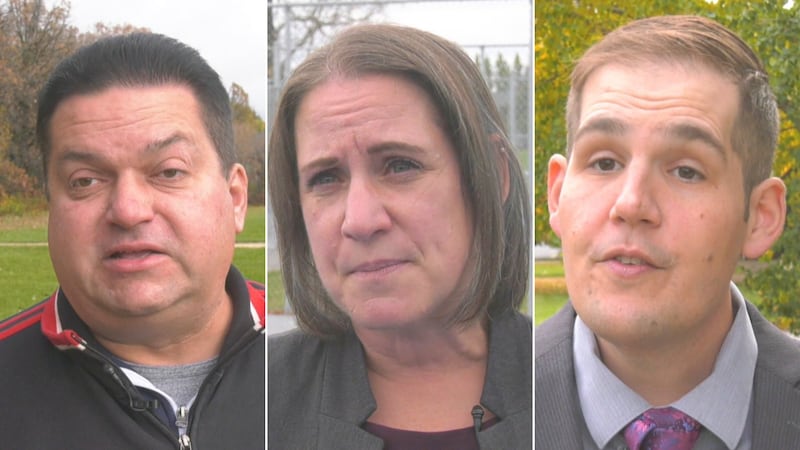
Low-income students reported worse mental and physical health compared to the provincial average, according to a new report by the New Brunswick Health Council. Results from its 2025 student survey show students with lower socioeconomic backgrounds reported higher levels of bullying, loneliness and vaping, alongside lower levels of life satisfaction, physical activity and daily breakfasts. “It legitimizes the importance of considering that angle of low socioeconomic status,” said Stéphane Robichaud, the council’s CEO. He pointed to factors like the greater need for transportation in rural areas, as well as the cost of popular sports like hockey as potential causes. “It tells us it is worth considering, could there be any barriers caused by those socioeconomic realities that should be considered?” he said. The study found one-fifth of students feel lonely most or all of the time, almost half had been bullied in the last two months and less than one quarter ate breakfast every day. But while rates were worse among lower income students, those from higher socioeconomic backgrounds scored better. On average, 20 per cent of students reported feeling lonely, but the rate dropped to 15 per cent for higher income students. Forty-three per cent of higher income students reported being bullied in the last two months, compared to 54 per cent of lower income students. Kelly Lamrock, the province’s child and youth advocate, said the report points to a bigger problem. “Our public programs right now are utterly incompetent at recognizing young children in trouble and getting them help,” he said. “Almost every department has to be held accountable for getting interventions closer to age six and seven, and stop putting off reactions until kids are in serious trouble.” New Brunswick Health Minister John Dornan sees the need for broader changes. “We go a long way on giving people good health care, it’s important. But people need to have education or employment and that’s a goal of our government,” he said. Robichaud hopes the report will start conversations that lead to change both at schools and children’s homes. “It’s very interesting to see how when we make these measurements available to various stakeholders locally, how it can help generate ideas and initiatives on how to improve the situation of youth.” For more New Brunswick news, visit our dedicated provincial page.