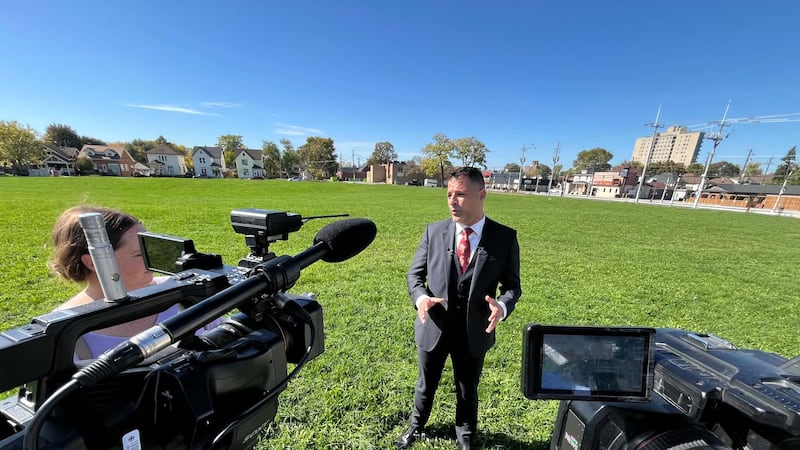
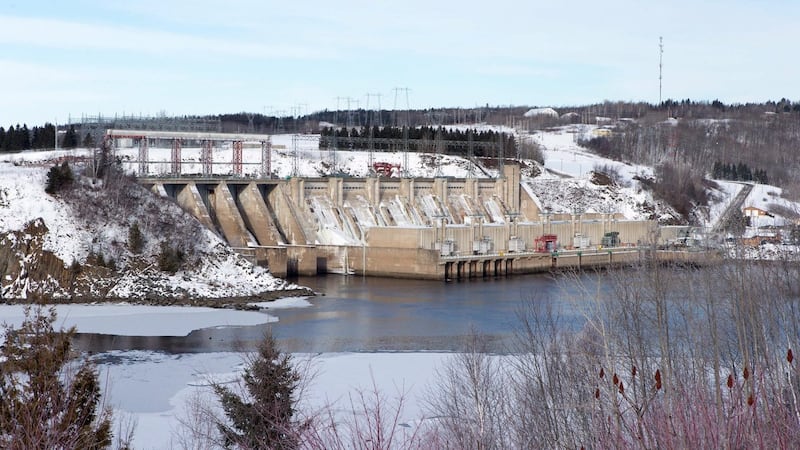
A letter from the Carleton-Victoria Forest Products Marketing Board to New Brunswick’s natural resources minister points to frustration building within the province’s forestry industry. The letter, by the board’s general manager Kim Jensen, says some prices are the lowest they’ve seen in a decade. Jensen writes that U.S. tariffs have been hard on the entire sector, including mills, but there’s been little support for private producers. “I have already heard from landowners inquiring about rates, who have changed their mind about having their woodlots cut,” she states in the letter. “Is the government’s long-term plan for the private forestry sector to just disappear? Because that is what is happening. Under your watch.” Rick Doucett, president of the New Brunswick Federation of Woodlot Owners, says this frustration has been building for years. Countervailing and anti-dumping duties on softwood are almost a decade old, but U.S. President Donald Trump added another 10 per cent in the fall, bringing tariff totals to 45 per cent. “I would say that I’m sure the lumber markets are poor and they’re probably struggling. And these tariffs are not helping anybody. And so, the pain is probably real. But the frustrating aspect of it is that you can’t pass all that pain on to the people who can least afford to absorb it,” said Doucett. The province saw a surge in lumber prices in 2020-2021, but because of the marketing system, Doucett says little of that landed in the pockets of producers. So, he says, today’s wood producers are not prepared to weather this storm. “If I can’t get a fair price for wood, or what I think is fair, then it just doesn’t move,” he said. “But there’s way too many people out there that, you know, they just don’t have the option. They got to pay their bills. And I think in that [letter] you can see that, you know, their revenues are going down, their expenses are going up. And, this is a recipe for total disaster.” Natural Resources Minister John Herron acknowledged in a prepared statement that prices have declined since October. He writes it’s been “increasingly difficult for New Brunswick mills to operate” under the current economic conditions. “As a result, the impacts of are felt across the entire supply chain, affecting not only mills but business that contribute to the sector, including private woodlot owners and contractors. We are concerned about everyone involved in the sector,” he said. But Herron didn’t mention any possible provincial support, only that the sector must “continue to navigate through these challenges in order to maintain operations …” The federal government announced a loan guarantee program for lumber companies in August, worth $1.2 billion. At the time, Prime Minister Mark Carney promised $700 million in loan guarantees to address what he called “immediate pressures” and $500 million for long-term supports to help companies diversify export markets and develop their products. The program is operated by the Business Development Bank of Canada (BDC), so that the money can be distributed as quickly as possible, through a lumber mill’s chosen financial institution. A spokesperson for the program confirmed Friday that the program has not received “any requests” from lumber businesses in New Brunswick. A J.D. Irving Ltd. spokesperson said in an email the company’s prices remain competitive, and it purchased a record one-million cubic metres of private wood in the 2024-25 operating year. They also said 97 per cent of the company’s lumber is under contract and not impacted by the price changes cited in the letter from Jensen. Doucett says the industry may be coming to a juncture. “The value of wood’s been going down and all the expenses and capital costs are going up. And eventually you’re going to run into a wall and everyone’s just going to say, ‘OK, I guess we’re going to do something else,’” he said. “So, I think we’re getting close to the wall.” For more New Brunswick news, visit our dedicated provincial page.