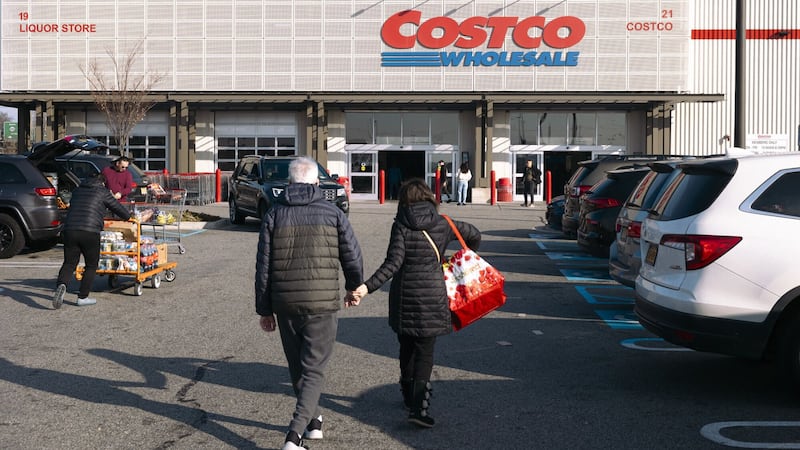
Once again, Canadians are showing their concern for the seemingly never ending rise in the cost of food. A new national survey from the Agri-Food Lab at Dalhousie University paints a picture of how Canadians feel about the price of food and their purchasing behaviours. In a news release, the director of the Agri-Food Analytics Lab and the lead investigator for the study said Canadians are adapting to food prices, but they’re tired of doing so. “What we’re seeing in this report is not just frustration with prices, but a deeper concern about fairness, transparency, and the future of our food economy,” said Sylvain Charlebois. “Trust is becoming just as important as affordability - and right now, both are under strain.” Key themes the fall 2025 report include: Meanwhile, farmers from across the country are meeting in Moncton this week for the National Farmers Union (NFU) annual convention - the first time the event has ever been held in New Brunswick. Among the attendees is Phil Mount who owns a sheep farm with his wife in Ottawa. Mount said farmers understand the prices for consumers continue to rise and have been rising aggressively since the pandemic. He said people need to know it’s the large corporate grocery chains that set the prices for Canada’s food system. “They control the prices that consumers get and that does not trickle down to farmers,” said Mount. Costs for farmers keep going up and up just like consumers, he said. “The price of fuel, the price of any equipment and repairs, everything just keeps going up and up,” said Mount. “Inflation has been a very real issue for farmers.” NFU Policy Analyst James Hannay said farmers are eaters too, but experience a completely different side of the food system that consumers do. Hannay said many farmers are getting low prices for their products. “We see a widening gap between what farmers receive for their products and what consumers are paying for at the grocery store,” said Hannay. “While we see a lot in the news about consumer prices rising in grocery stores, there’s very little to say about how farmers are doing and the answer is, not very well usually.” Aaron Shantz and his wife own a farm in Sainte-Marie-de-Kent, N.B., but he has a day job to make ends meet. “I don’t know that many farmers that don’t have a side gig including our family. I work off-farm. There’s no way we would be able to live 100 per cent off of our farm,” said Shantz. Shantz and his wife grow food for foodbanks and believes prices in New Brunswick would be lower if grocery stores used more local foods. “We only produce seven per cent of the food we eat here in New Brunswick,” said Shantz. The major grocery store chains set the prices for the majority of what is consumed, he said. “And that’s not fair because I don’t think we should be paying what we’re paying for food,” said Shantz. Shantz said for many farmers in the province, it’s extremely hard to make a living off of a farm. “We’re constantly losing farms. Farms are going out of business,” said Shantz. “Right now the average age of a farmer in New Brunswick is 56-years-old and the decline continues. We don’t have new farmers coming up. At least not enough to compensate for those we are losing.” Cloning On Wednesday, Health Canada announced it had paused the policy update of foods made from cloned cattle and swine indefinitely to allow more time for further discussions and consideration. Health Canada had concluded that food products made from cows and pigs were as safe as foods from animals that have been bred traditionally. The federal government stated it had received a significant amount of input from both consumers and industry experts about the implications of their policy update. “I think Health Canada was very swift in its decision to listen to the feedback that it received from the public and in times where our institutions are being questioned, the democracy of these institutions that regulate our food system are being called into question, it’s good to see the response to the public concern,” said Hannay. Mount said the NFU has yet to develop a position on cloning, but he’s currently working on writing an emergency resolution to bring to the convention. He wants to see more transparency from the federal government when it comes to the food system. “Consumers don’t want to walk into a grocery store and to not know what is in their food,” said Mount. Mount said if consumers can’t tell if they’re purchasing cloned meat it would be devastating for livestock farmers in Canada. “We need to stand up and tell our regulators that’s unacceptable,” said Mount. As of now, there are no approved foods from cloned products available in Canada. For more New Brunswick news, visit our dedicated provincial page.