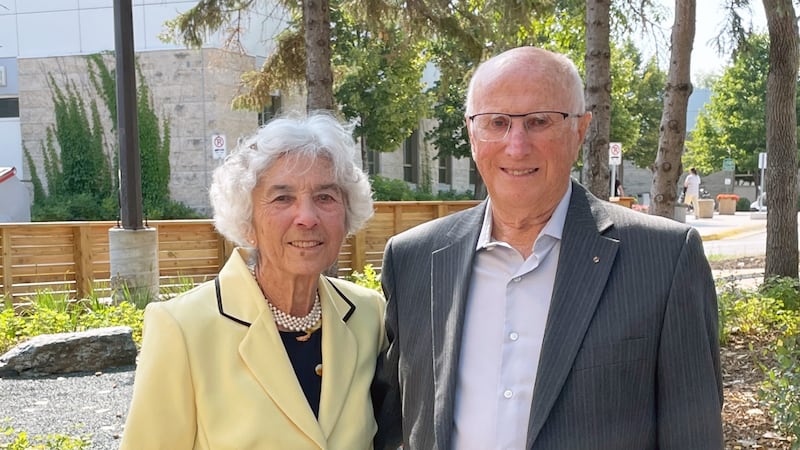
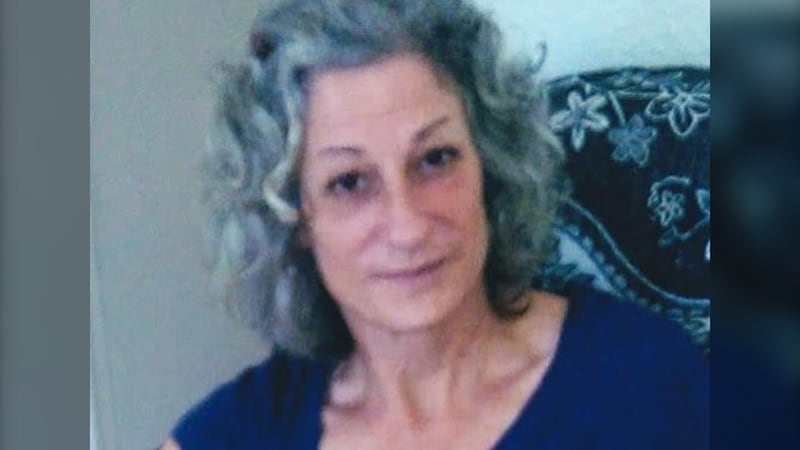
SAINT JOHN, N.B. — Among the locations where the COVID-19 pandemic has turned life upside down are the places that provide compassionate end-of-life care. Families and caregivers are trying to follow the new rules governing hospices, while the facilities themselves have been dealt a financial blow by the pandemic. At Bobby’s Hospice in Saint John, N.B., not only are regular fundraisers cancelled, but the way in which they help families through the end-of-life process has had to change. Just a visit to the garden is a delight for Betty St. Onge. She is spending her final days at Bobby’s Hospice, a residential end-of-life care facility that her family says is a blessing. “If mom has to be in palliative care, this is the place for her to be,” says Susan MacPhee, Betty St. Onge’s daughter. Though the pandemic has changed a lot of the day-to-day care that can be offered inside a hospice. “Because it is a home away from home, we have family space, we have living rooms, dining rooms, all of that is closed now and our patients have to stay in their rooms,” says Sandy Maxwell, CEO of Bobby’s Hospice. “There is only one family member allowed to come in so it’s like the life of hospice has gone out of hospice, and it’s hard.” In response, the St. Onge family took matters into their own hands over the weekend, organizing a drive-by parade for their mom. “Mom is a very social person and she loves her family, and loves her friends, and no one has been able to come and see her,” says Michelle Oulette, another of St. Onge’s daughters. “So we thought, this is a social distanced way to help her see the people who might want to see her, and who she might want to see, at the end of her life.” The hospice itself is facing new issues. It has lost critical sources of income, including a weekly fundraising barbeque that typically attracted hundreds of people. Those barbeques have been cancelled for the season, while other events are in question. “We were a thriving health-care charity, well supported by the community, and just overnight that changed,” says Maxwell. It’s a predicament that family members are also struggling to understand. “It breaks my heart, because what they’re doing here is a necessary service,” says MacPhee. The pandemic has up-ended palliative care in ways that no one could have foreseen, changing not only the financial picture, but the way that institutions provide care to their patients, and to their families.