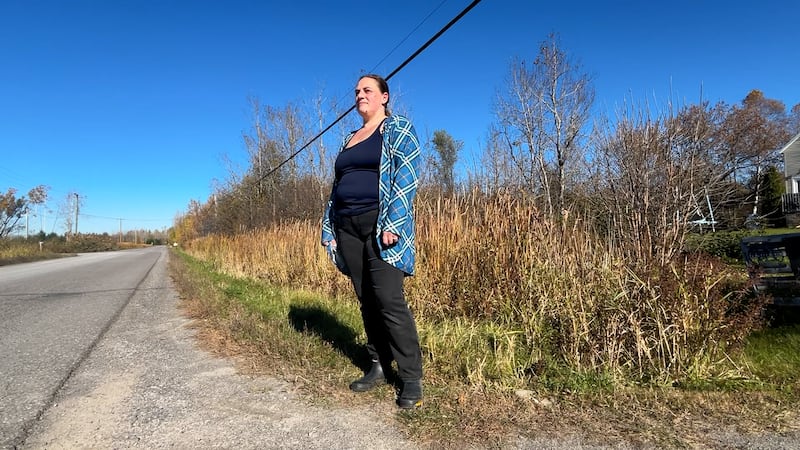
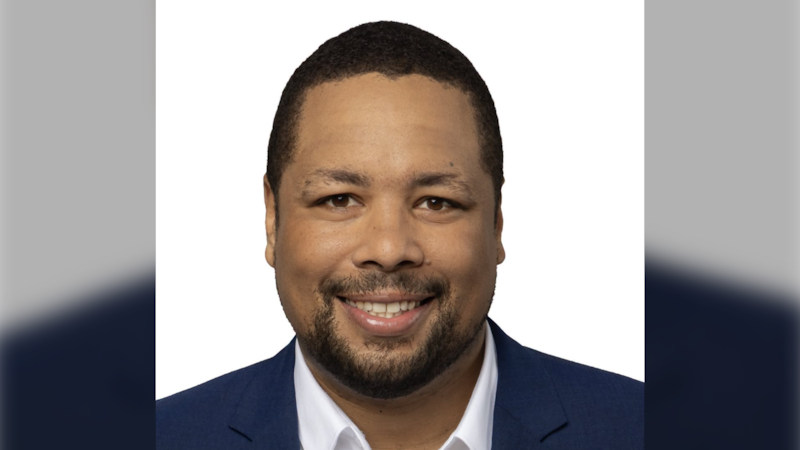
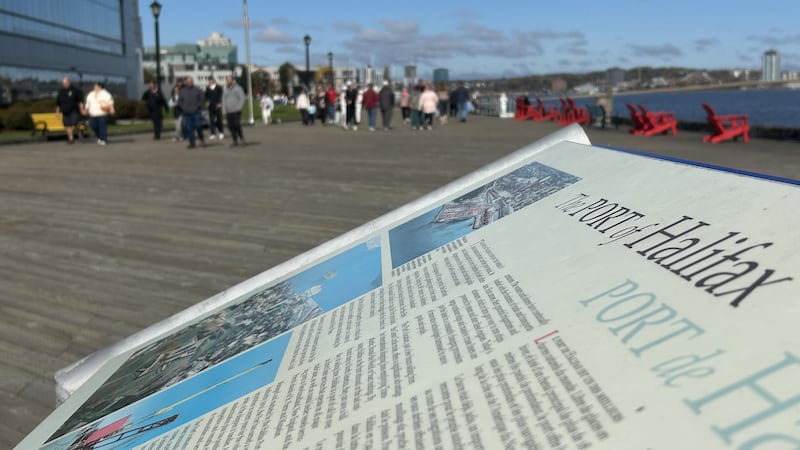
For many people, the fall season marks a new beginning, but experts say change isn’t always easy to ease into. According to Dr. Brent Macdonald, a psychologist with Halifax-based Crux Psychology, many young adults find themselves struggling with the transition from high school to post secondary. “It is often not the same kind of school that they’re used to going to, where they went from class to class [and classes] were largely selected for them,” says Macdonald. “They had classes of maybe 30 or 40, and now they’re into classes of 300 or 400.” “In either case, there’s often lots of different factors, things like moving away from home, moving away from that core family support that you might have had and core friendship supports, to new friends, new situations, new towns in many cases, or new provinces.” Macdonald says evidence shows that fall can change one’s mood. “We are coming from a time of summer where most people are a little bit more relaxed, a little bit more at ease because the weather is nicer,” he says. “The transition from summer to fall means less sunlight, cooler weather, we spend more time indoors.” Tarin Liphardt, a first-year Dalhousie University student, says she is feeling a mixture of stress and anxiety, amid the ongoing labour dispute at the school. “I moved here from Toronto just about a week ago, and I was supposed to start classes this week…but we haven’t been able to start, and we don’t really know what’s going on,” she says. “But I think even without the [lockout], just like moving to a new place and going immediately into classes probably would have been just as stressful.” Macdonald suggests people practice “mental toughness” and embrace the fear of taking a risk. “Mental toughness is the idea that we approach risk, we don’t avoid risk ... starting a new school, starting a new program, starting to live independently, those have risks attached to them. And if we view it as an intimidating or a frightening risk, we’re probably going to do what most human beings do is avoid, and that’s not what we want to do. We want to see our young people see a risk and say, ‘I want to try that,’” he says. “And then once you’ve gotten into that, what happens naturally is you develop resilience. You develop that sense of if something doesn’t go the way I wanted to, that’s okay. I can make changes.”