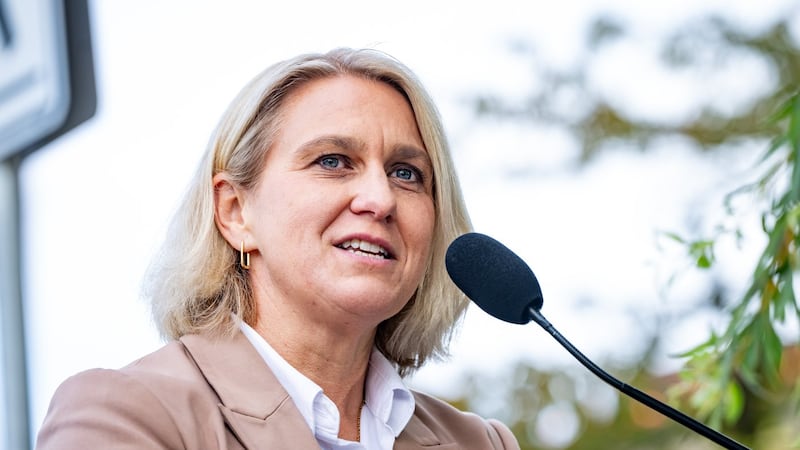
The union representing paramedics in Manitoba said the provincial shortage of paramedics may be larger than what the government is sharing. The Manitoba Association of Health-Care Professionals (MAHCP) released the results of a Freedom of Information request from Shared Health, which they say shows a net loss of 34 paramedics in rural Manitoba between December 2023 and December 2025. They said this contradicts a 2025 update, where the province said 18 net new paramedics were hired. “These are not just numbers; this is a growing crisis that could affect anyone living in Manitoba or travelling in Manitoba,” said Jason Linklater, MAHCP president. Linklater said paramedics are typically the first to respond to calls in rural Manitoba and said that residents of these areas are concerned about the shortage. In some cases, the closest paramedic is an hour away from some communities, Linklater said. “They are afraid that a declining paramedic workforce will cost someone their life,” he explained. MAHCP is recommending that the province create more primary care paramedic positions in the province and, specifically, target rural areas for recruitment. It also asks the province to create a “earn as you learn” education pathway, similar to British Columbia, where there is paid education and bursaries available to help cover costs. Speaking with reporters Thursday afternoon, Health Minister Uzoma Asagwara said their department spoke with MAHCP when the budget was announced about paramedic positions and said at the time, the net new number of paramedics was 29. “I think they really appreciated the time we spent sitting down and going over those numbers, and they agreed with those numbers; they understood those numbers,” they said. “And today, those numbers have increased, which is a good thing.” Asagwara said as of Thursday, the province has added 41 new paramedic positions and has a goal of hiring 200 more. “We are moving in the right direction,” Asagwara said. They added the province is working to help communities hire emergency medical responders, who can provide basic life-saving care to people in need. They said the province will support EMRs who wish to become primary care paramedics. “Our rural partners have been advocating for this,” they said.