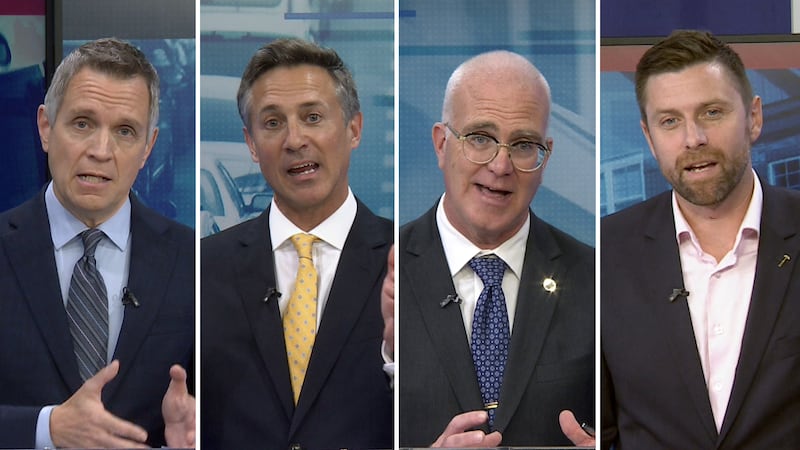
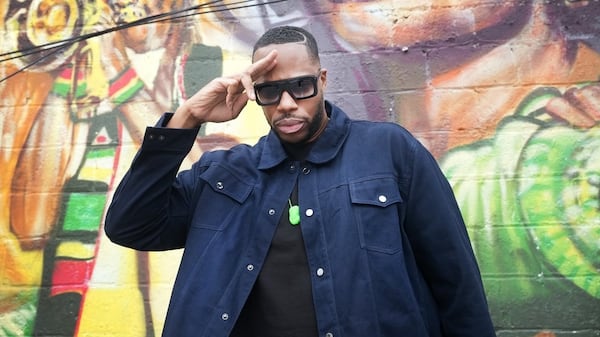
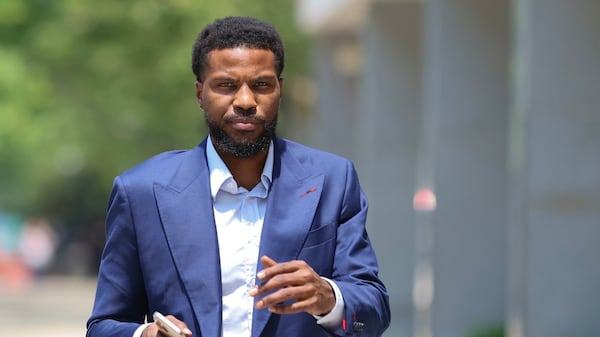
A number of announcements were made Tuesday from mayoral candidates on how they plan to improve Winnipeg if they are elected to the mayor’s chair. Don Woodstock wants to remove red tape for cultural festivals and parades. If he becomes mayor, Woodstock said he would look to get rid of the annual permit application for community celebrations and would no longer require organizations to be charged to use municipal property. He also wants to create a $750,000 annual grant that would be used to support non-profit organizations. “Our cultural parades and neighbourhood street festivals are the heart and soul of Winnipeg, but for too long, city hall has treated our dedicated non-profit organizations like a revenue stream rather than a community partner,” said Woodstock in a news release. Woodstock would implement five-year legacy permits for any event that has been running for 10 or more consecutive years, create pre-approved master trade corridors, waive fees for non-profit street festivals and have grants in place for both new and legacy events that would help cover costs. “Under my administration, we are cutting the red tape, creating five-year legacy permits, and providing real financial support so these vital traditions can thrive without breaking the bank.” Scott Gillingham wants to focus on fall street cleanup if he is re-elected next month. The incumbent mayor said when leaves start hitting city streets, they can build up to the point of blocking drains and catch basins. The city used to have a street cleanup program in the fall, but it was cut in 2015. He is now committing to bringing back that program. “We need to keep improving basic maintenance in Winnipeg. Clearing hundreds of streets isn’t free, but I believe a basic service like the Fall Street Cleanup is absolutely worth the cost,” Gillingham said in a news release. The program would start in 2027 and Gillingham believes it would cost $2 million a year. Former PC MLA and city councillor Kevin Klein announced the first part of a three-part plan for housing if elected. Part one is focused on improving the city’s permit and approval process. He said recent data shows applications are not being processed on time and application timelines are unclear. “Those delays do not land on a spreadsheet that we can see. They land on a family trying to build an extra bedroom or garage. They land on a contractor sitting on a renovation that should have started weeks ago, but they’re still waiting for permits. This adds cost to residents and we’ve seen that especially during the trade war (with the U.S.), costs are going up exponentially on all items,” said Klein at a news conference Tuesday. Klein would like to scale up staff at the property and development office during peak construction periods to handle a higher volume of permits, and to simplify forms for smaller projects. He would also assign a case worker to every application to improve communication and publish quarterly reports on timelines, application numbers and public feedback. Klein plans to release more details about the next two parts of his housing plan in the coming weeks. As Manitoba marks the National Day for Truth and Reconciliation Wednesday, Umar Hayat said if he is elected mayor, he will make it a priority for the city to continue to advance reconciliation in Winnipeg. “My commitments include strengthening Indigenous representation at city hall. I will support meaningful opportunities for Indigenous people to participate in municipal decision-making and city employment while working with Indigenous leadership and communities to identify practical ways the city can advance reconciliation,” said Hayat. As part of his reconciliation promise, Hayat said he wants to work on providing more outreach, address homelessness concerns, and find a way to solve the drug crisis in our city. Hayat did not have exact details on how he plans to achieve these promises.