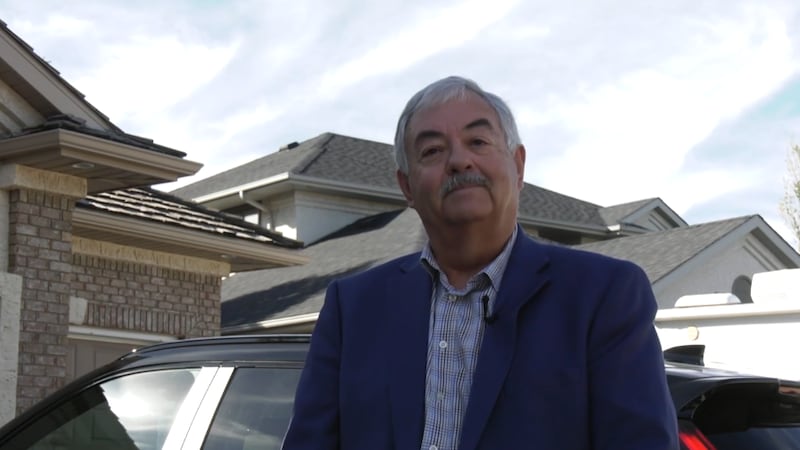
Windsor city council has voted to keep development charges at their current rates — opting to extend the city’s existing bylaw for another five years while building in an annual review to reassess conditions. This, as the current bylaw approaches its January 2026 expiry date. Ward 9 councillor Kieran McKenzie, who chairs the city’s Development Charges Task Force, introduced an amendment calling for yearly updates from administration “given the current uncertainty, with respect to development charges and the larger economic circumstances that are impacting development and investment.” McKenzie said the approach “was the prudent way forward, to maintain status quo, but to build into it an opportunity for council and administration to continue to monitor and consider once that landscape becomes more clear and more certain.” He added the task force decided it was best “to sort of hit the pause button, maintain status quo, and continue to monitor” until there’s more clarity from the federal government and broader economic conditions improve. Mayor Drew Dilkens supported the freeze, saying it’s one lever the city can control as developers navigate high costs and inflation. “When we look at the numbers with respect to development today, adding more cost is certainly not going to incent more development,” Dilkens said. “Layering on more financial pain at a time where there’s great uncertainty… I respect the committee’s recommendation that we just freeze things where it’s at.” Dilkens also noted, “We don’t control the price of land, labor and building materials, which are the biggest input costs for any new development. “We don’t control HST and the taxes that are applied by other levels of government. The one direct control we have that lends itself to development and construction are DCs.” Coun. Jo-Anne Gignac said she supports the annual review, emphasizing the need to balance development with fairness for taxpayers. “We can’t afford two things,” she said. “One is stopping the projects that will create employment in the area. And secondly, making sure that the residents and the businesses who have paid development charges that were applicable aren’t absorbing growth.” According to administration, the five-year extension doesn’t prevent council from reopening or replacing the bylaw sooner if market conditions change. Development charges are collected from builders to help fund infrastructure and services needed to support growth — such as roads, sewers, fire services, libraries, and community centres.