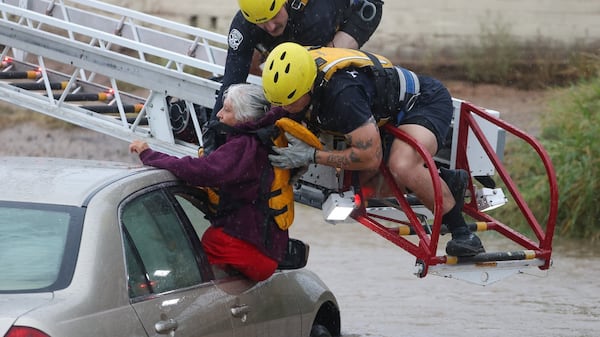
A Vancouver Island filmmaker is putting the spotlight on the people who work behind the scenes along British Columbia’s coastline in a new documentary series debuting this month. West Harbour Heroes follows Coast Guard crews, search-and-rescue teams, marine researchers, fisheries officers and others whose work keeps coastal communities running across the province. Emmy Award-winning cinematographer Maxwel Hohn, best known for Netflix’s Island of the Sea Wolves, leads the project. For the series, he spent months moving through coastal communities, capturing day-to-day moments as they unfolded. The 10-episode production was filmed over more than 160 days. While much of the work took place on the West Coast, the project also relied on a Toronto-based production team working alongside field crews across Western Canada. In a statement, Hohn said the series grew out of a long-standing desire to tell these kinds of stories. “As someone who grew up exploring this coast with a camera in hand, these were stories I had always hoped to tell,” Hohn said. “What struck me most wasn’t just the work these people do — it’s the pride they take in doing it. Again and again, we met people who weren’t looking for recognition. They simply cared deeply about the communities they serve and the coast they’re helping protect.” The scope of the production created major logistical challenges for the team. “We were filming all over B.C., Calgary and California, sometimes with double, triple and even quadruple units shooting at the same time,” line producer Ravelle Thomas said, in the statement. “One week we were dealing with underwater filming, the next it was aircraft logistics, search and rescue teams, wildlife, Indigenous communities, permits, insurance and safety plans. Every shoot felt like its own production.” The series features people whose work often goes unseen, including marine scientists, search-and-rescue crews, commercial fishers and fisheries officers. It also highlights Indigenous Guardian programs and First Nations stewardship initiatives along the coast, focusing on the relationship between traditional knowledge and modern conservation work. “When you start speaking with First Nations groups and learning about their traditional knowledge and how it blends with modern science and teachings, it becomes a beautiful collaboration,” senior story producer Josh Deosaran said, in the statement. “Those experiences became some of the most meaningful parts of the series.” Filming took place on boats, in helicopters, underwater and in remote coastal locations. While the series includes high-stakes moments, its focus remains on the people who live and work along the coast and the communities they support. The series premieres June 16 on USA Network, and streams June 17 on Crave in Canada. The production team says there is no shortage of stories to tell, and they hope this project is only the beginning. “There’s still so much more to explore on the West Coast,” Thomas said. “Hopefully this is just the first of many seasons to come.”