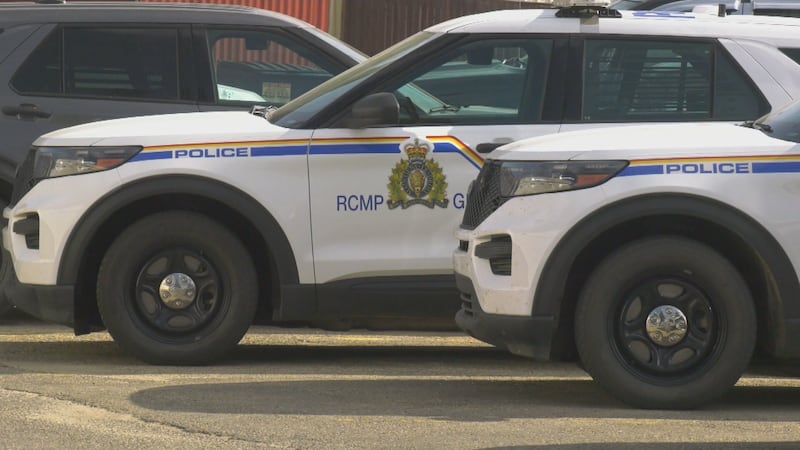
The Township of Esquimalt is pressing pause on one of the community’s longest-running political debates, leaving major decisions about the future of policing to the council elected this fall. A staff report presented to council recommends extending the existing policing framework with Victoria while giving the incoming council a detailed briefing before deciding whether to pursue regional policing, renegotiate the current agreement or revisit alternative policing models. The framework agreement between Esquimalt, the City of Victoria and the Victoria and Esquimalt Police Board expires Dec. 31. For Mayor Barbara Desjardins, the report represents years of work examining whether Esquimalt could change how it delivers police services and whether residents could receive comparable service at a lower cost. “It has been frustrating for me for many, many years,” Desjardins said. The review began after concerns were raised about policing costs, governance and whether a small municipality like Esquimalt was receiving fair value compared with communities that operate their own police departments. Desjardins said the municipality now has a much clearer understanding of the challenges involved in creating a new police service. “You cannot make that kind of transition overnight,” she said. The municipality’s review included an assessment of creating an Esquimalt Police Department supported by contracted specialized services from another police agency. Staff concluded that option would involve significant hurdles, including obtaining provincial approval, recruiting officers and civilian employees, creating new operational systems and securing reliable access to specialized services such as major crime investigations, forensic support and professional standards. The report found there is currently no clear evidence that a standalone department would provide comparable policing services at a lower cost once transition expenses and long-term operating requirements are considered. The municipality also explored whether other police agencies would be willing to provide specialized support. According to staff, those discussions did not result in commitments, leaving no confirmed operational pathway for a new Esquimalt department. Cost remains one of the driving issues behind the municipality’s review. “We’re consistently concerned, again this year, that the budget was going up,” Desjardins said. “When you compare our budget to Oak Bay or Central Saanich, we’re up at $11 million now and they’re down at $6 million and $7 million.” The current policing arrangement has also raised questions about governance and whether Esquimalt has enough influence over decisions affecting its residents. Council has continued to identify regional policing as its preferred long-term direction, but Desjardins said previous efforts to change the model have shown that any major transition would require provincial support. “The province always has the final decision,” she said. She pointed to discussions with provincial officials and lessons from Surrey’s policing transition as examples of the complexity involved in changing police services. While the review did not identify a clear path toward a standalone department, staff say recent leadership changes at the Victoria Police Department (VicPD) and the Victoria and Esquimalt Police Board may provide an opportunity to strengthen the current model. The report highlights commitments from VicPD to focus more directly on Esquimalt priorities, including increased patrol presence, attention to traffic concerns and after-hours bylaw enforcement support. The police board has also indicated an interest in working more collaboratively with Esquimalt on budget discussions and governance matters. Those changes will be closely watched by the next council as it considers whether improvements within the current system can address the concerns that led to the review. The next council will also decide whether to continue pursuing regional policing opportunities, what changes should be sought in a future framework agreement and whether alternative policing models should remain on the table. Desjardins said residents should be part of that conversation before any major decision is made. “It’s time to check in again to say, ‘What are your thoughts?’” she said. “If there isn’t regionalization, then we’re going to have to look at, do we want to renegotiate a framework agreement? What do we need to put in that framework agreement? What does the community think about the fact that there may be significant upfront costs for any kind of an Esquimalt Police Department?” Staff are aiming to complete an extension of the framework agreement this fall. The newly elected council is expected to receive a comprehensive policing orientation early in its term before setting Esquimalt’s long-term direction.