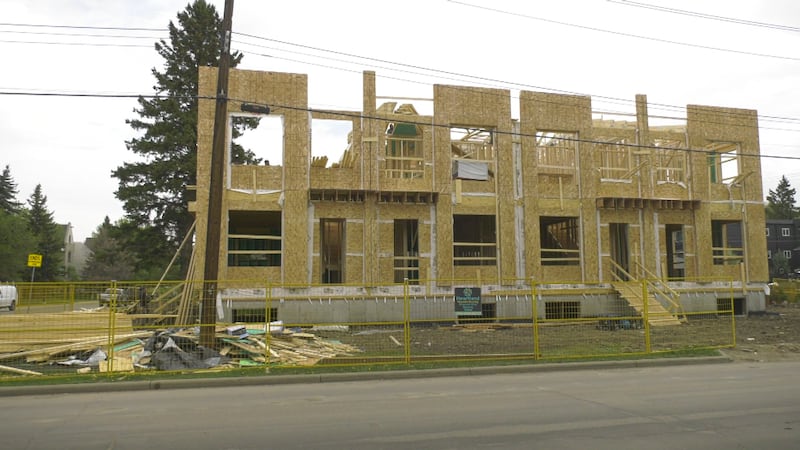
A show home that was slated for demolition has been moved from the B.C. mainland to a remote community off the coast of Vancouver Island, where it will be repurposed as an office building. The 2,500-square-foot show home was loaded onto a barge in Delta on Monday. By Thursday, it had been tugged to the ‘Na̱mg̱is First Nation in Alert Bay, which is just off the coast of northeast Vancouver Island. “It’s so hard for us to build something from scratch because of the remoteness of the community,” said Samantha Webster, ‘Na̱mg̱is First Nation’s lands and infrastructure director. “Getting labour and materials on site is very challenging and expensive.” The community is repurposing the structure as an oceanfront administrative building. Relocation costs were covered by the original owner of the show home, developer Bosa Properties. “We’re repurposing a building that currently doesn’t have a productive use; we’re eliminating waste from a landfill; and we’re providing a community need for the ‘Na̱mg̱is Nation,” Dan Cupa, Bosa’s vice president of residential properties, said last month. For the big move, Bosa and ‘Na̱mg̱is tapped Renewal Development, which is dedicated to clearing construction sites in a sustainable way. As the province and local governments densify urban areas, Renewal CEO Glyn Lewis said livable homes are being torn down. “It’s shameful to see beautiful homes, beautiful buildings that have been fully renovated or well-maintained thrown out,” Lewis said. “You see incredible waste out there and on the flipside, you have communities like the ‘Na̱mg̱is Nation that needs good housing or good infrastructure.” A recent assessment by ‘Na̱mg̱is found the small community is in urgent need of 153 housing units. It has a plan to relocate nearly 70 homes to Alert Bay over the next three years. On Jan. 24, members will vote on whether the nation can take out a multimillion-dollar loan to put the project in motion. “We’ve identified approximately $30 million in potential grants and subsidies that could support this project,” she said. “That brings the cost significantly lower for the nation.” It’s anticipated the total project cost will be $46 million.