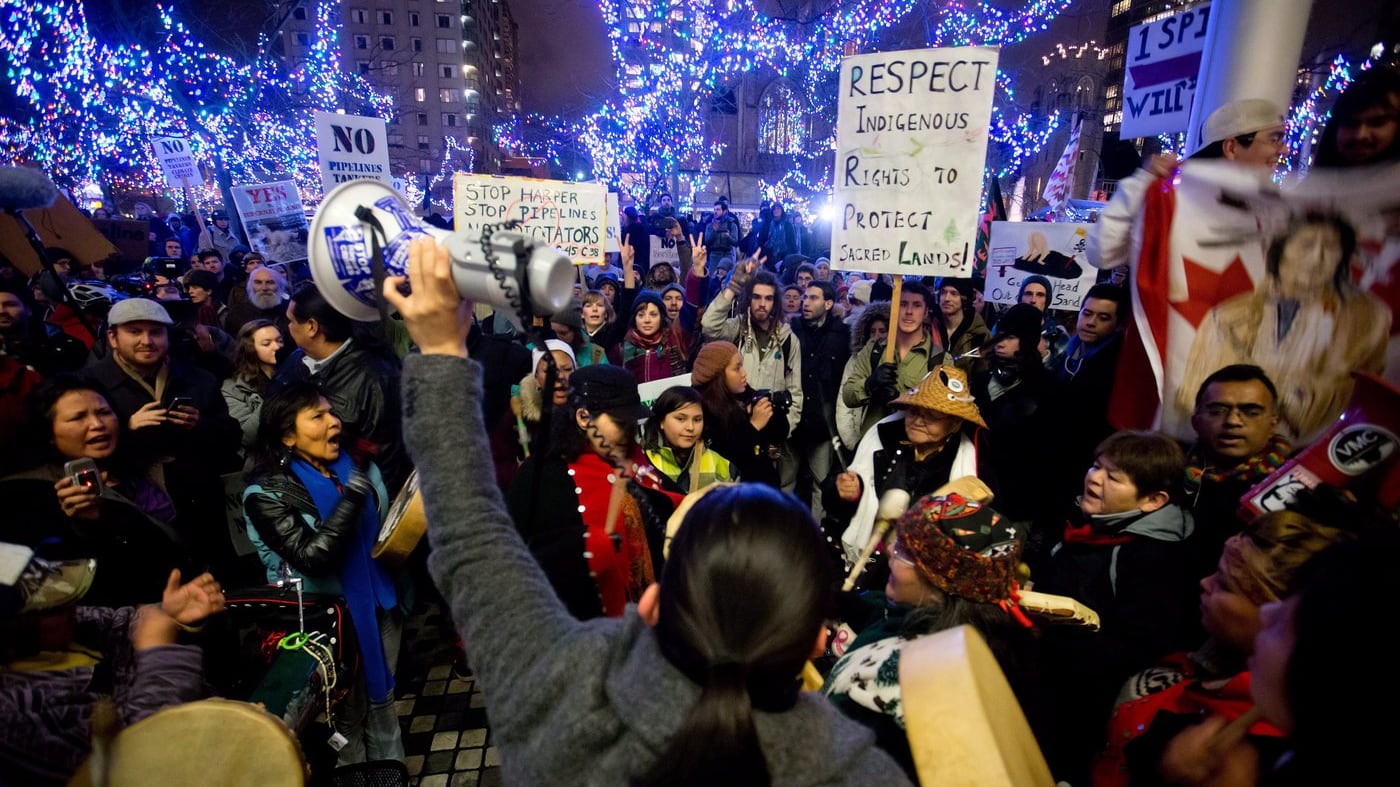
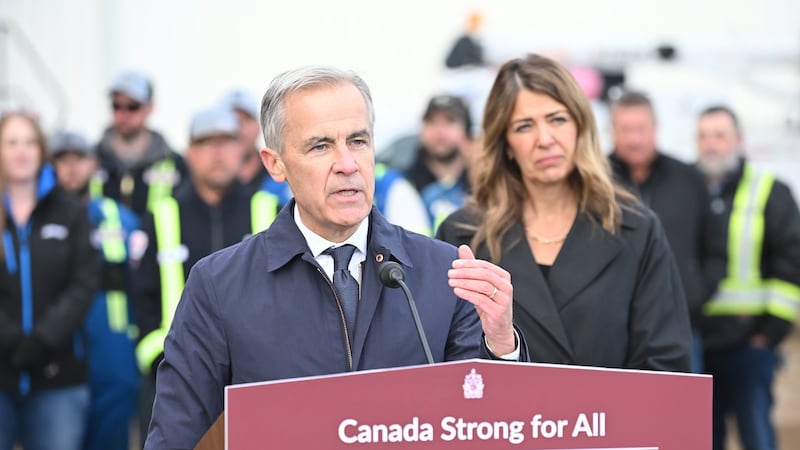
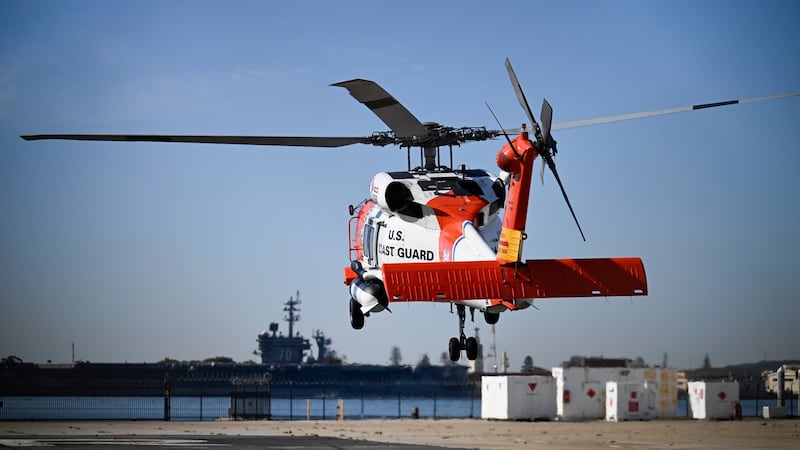
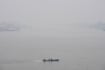
For years leading up to 2016, the prospect of an oil pipeline to Kitimat galvanized protestors across British Columbia. A federal court eventually overturned Enbridge Northern Gateway’s approval over a lack of consultation with First Nations. Now, Ottawa and Alberta may be on the verge of signing a memorandum of understanding that could produce a similar pipeline proposal and ease the restrictions on tanker traffic along the north coast—and in the Hecate Strait. The Sierra Club of B.C. calls that waterway one of the most dangerous to navigate in the world. “There is a reason why this tanker ban is in place and oil tankers will never be in that strait and should never be in that strait. It would be reckless,” said David Quigg, an organizer with the environmental group. During an unrelated interview about a listing cargo barge taking on water near Bella Bella, the Canadian Coast Guard’s deputy superintendent of marine, environmental and hazards response told CTV News coastal First Nations play a key role when emergencies happen. “It’s safe to say that response is heavily reliant on First Nations partners up and down the coast,” Matthew Walker said. He would not speculate on the possibility of the tanker ban being eased. “I can’t comment on the tanker moratorium. But the plans, the preparedness work that is done by the response community is robust, and Canada is prepared in the event of a disaster of that magnitude in co-ordination with local communities and First Nations,” Walker said. But some First Nations, including the Heiltsuk Nation which was first to respond to the troubled cargo barge carrying hundreds of containers, say they are under-resourced to respond to even moderate marine emergencies. “We’re looking at a vessel of this size right now, and we’re under capacity with the response,” said William Housty, director of the nation’s integrated resource management department. North of Bella Bella, in Hecate Strait, which tankers would have to navigate if a new pipeline was built, weather conditions can change rapidly. “Couple that with the shallow waters, the big waves, the big tides, the big winds, and all of the other existing traffic, and the lack of capacity to respond to emergencies, it’s a recipe for disaster,” said Gaagwiis, a member of the Haida Nation and vice-president of Coastal First Nations-Great Bear Initiative. Veterans of the fight against oil pipelines and tankers, those in opposition to any new proposals vow to put the weight of their experience—and convictions—into the next battle. “A pipeline will never happen here. It’s not something we can accept—or the tanker traffic,” said Gaagwiis.