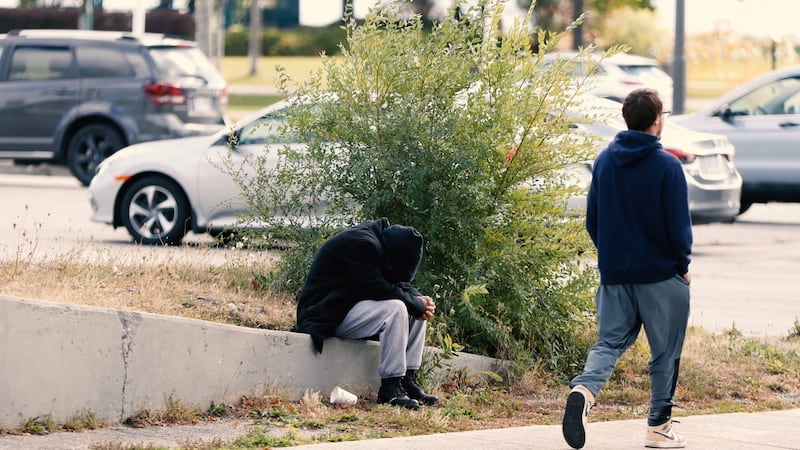
The number of people who were homeless in Vancouver increased by 12 per cent last year, according to a report coming to city council next week which noted homelessness in the region reached an “all-time high.” The 2025 point-in-time homeless count was conducted over a 24-hour period in March of last year and found 2,715 unhoused people in the city—up from 2,420 in the previous count in 2023. The data collected is acknowledged to be an “undercount” by as much as 20 per cent, but the method is described as a useful one to “provide an overview about ongoing trends,” the report noted. Of those counted, 763 were “unsheltered,” meaning they are living outdoors or in makeshift shelters, sleeping in parks or alleyways, or staying in vehicles. “Homelessness is devastating for individuals, undermining physical and mental health, personal safety, and social and family connections,” the report said. “As time without housing extends, these harms intensify—health deteriorates, trauma accumulates, and relationships with supports and services weaken—making recovery increasingly complex.” Roughly half of the people who completed a survey administered as part of the count answered questions about why or how they became homeless. The number one reason, accounting for 38 per cent of respondents, was “not enough income for housing,” the report said. Addiction or substance use issues was cited by 19 per cent of respondents, and “unfit/unsafe housing condition” was the answer given by 17 per cent. The 2025 survey included a question about eviction for the first time, and 42 per cent of respondents said their most recent housing loss was the result of being evicted. The survey also collects demographic data, from those who choose to provide it, and revealed a disproportionate risk of homelessness for women, Indigenous people, Black people, and those who were in government care as youth. The proportion of homeless women increased from 25 per cent to 28 per cent, according to the report. “Despite this increase, it is worth noting that women are less likely to be counted as they are more likely to be hidden, stay temporarily with friends or family and difficult to find and survey for the count,” the report said. Lisa Rupert, the vice-president of housing and violence prevention for the YWCA in B.C., agrees that homeless women are often missing from official counts. “While intimate partner violence is a leading cause of homelessness for women, some remain in violent or unsafe homes because the risk of homelessness feels even greater,” Rupert said in a statement. “The demand for housing for women far exceeds what these numbers show,” she added. “Safe, affordable housing is not optional. It is foundational to women’s security, stability and the ability to rebuild their lives, particularly when leaving abuse.” Indigenous people, who represent roughly 2.5 per cent of the population of Vancouver, made up 42 per cent of those surveyed and were more likely than their non-Indigenous counterparts to be sheltered. Nine per cent of those who were homeless identified as Black, whereas Black people make up around one per cent of the city’s population. More than one third of those surveyed, 38 per cent, said they had been in ministry care as youth, according to the report. The report also noted that 40 per cent of seniors surveyed said their first experience with homelessness was when they were 55 or older. “The survey points to lack of income and eviction as primary drivers for housing loss,” the report said. “Factors including a lack of affordable housing, legacy of colonization and residential school, racism, and health system and child protection gaps are larger systemic and structural issues that continue to drive homelessness in the region.” The full report is available online and will be presented to council on April 14.