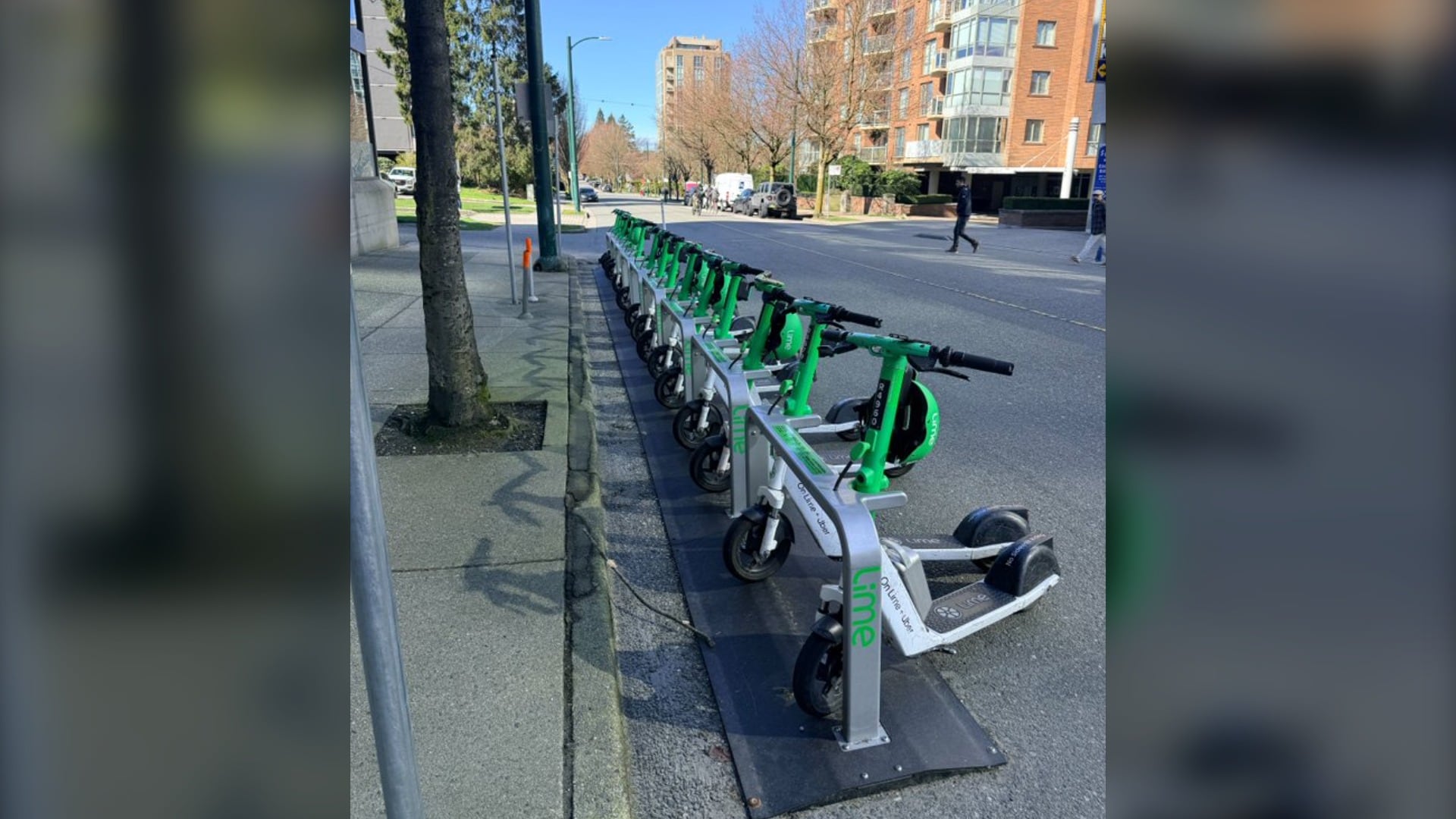
An accessible parking space in Vancouver has been replaced by a new e‑scooter parking station, sparking debate about the city’s approach to active transportation and accessibility. Disability advocate Spencer van Vloten flagged the issue in a social media post Monday after learning a Lime parking station had recently been set up on West 10th Avenue near Granville Street—a spot that is still listed as a designated accessible parking space on the City of Vancouver’s website. “My mom had planned to park here to help my disabled grandma get to a nearby appointment,” van Vloten wrote on X. “Active transportation should be promoted, but in conjunction with accessible parking.” The post has amassed 11,000 views and been shared by more than three dozen users, with many commenters voicing frustrations over what they perceive as a trend of active transportation initiatives trumping the needs of people with disabilities. Speaking to CTV News Tuesday, van Vloten said the issue came to a head Saturday when his 70‑year‑old mother drove his 92‑year‑old grandmother to an appointment, which she ultimately missed due to a lack of accessible parking nearby. “It was a big deal to her and just very frustrating to me and my family,” van Vloten explained. “The issue it brings up for me is that the city is doing such a poor job of balancing accessible parking with active transportation when they really should go together.” The City of Vancouver says the Lime station on West 10th was installed near an existing Mobi bike‑share dock “as part of efforts to create a shared micromobility hub” in South Granville. As a result, the city says one accessible parking space was relocated to West 11th Avenue at Granville Street, and that updated signage at the new location will be installed this week. “The city strives to minimize impacts to existing accessible parking spaces whenever possible, or to relocate them to another nearby location,” Lisa Parker, the City of Vancouver’s director of public space and street use, said in a statement Tuesday. Parker says proposed Lime stations undergo a “robust review” process that considers technical feasibility, safety, accessibility, network connectivity, community input and equity. Lime is also required to reach out to residents and businesses within a 20-metre radius of the proposed site, with feedback considered before approval. The city says it may decline or modify locations when feedback identifies significant issues. When presented with that information, van Vloten pushed back. “If this process is so robust, why hasn’t the signage been put in yet? Why haven’t those updates been made to the accessibility map? Why are there spots on the accessibility parking map that haven’t been active for two years because of construction?” he asks, referring to Broadway Plan construction. “The process of updating and communicating this information to the public is far too slow and sloppy.” The city’s website says its accessibility database is updated weekly, but as of Tuesday, the spot on West 10th Avenue is still listed as one of 150 designated accessible parking spaces. Van Vloten emphasized that his issue isn’t with the expansion of active transportation, but rather how it’s being rolled out. “My issue is with the city and how they’re planning and communicating their decisions,” he explained. There are approximately 850 devices at over 180 stations across the Shared E-scooter System’s service area in Vancouver, according to Parker. Earlier this month, Lime celebrated a milestone 1-million trips taken by riders in Vancouver since the service launched in the city. “It’s clear shared e-scooters are becoming an important part of how people get around Vancouver,” a spokesperson for Lime said in a statement to CTV News Wednesday, adding that the company agrees active transportation and accessible parking should work together. “As the system grows, these are thoughtful, evolving efforts, and we appreciate the ongoing discussion as we continue working with the city and community to get it right.”