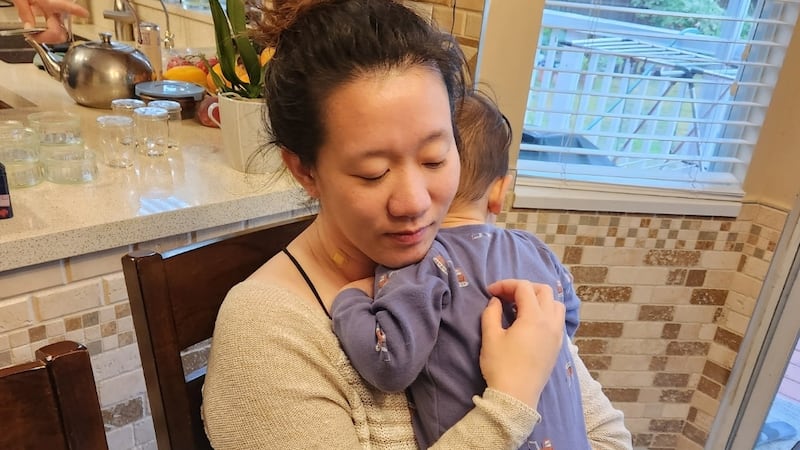
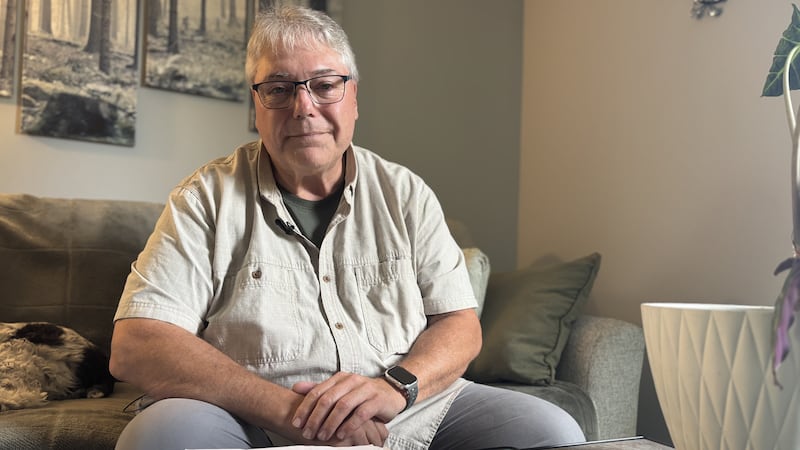
The wait times for long-term care beds in B.C. have been climbing for nearly a decade, leaving caregivers burnt out as they await spots for their loved ones. Residents on the Sunshine Coast believe they have been a particularly hard hit region. For those seeking long-term care beds in the Lower Sunshine Coast, it has been an uphill battle. “I felt like they weren’t hearing me, they didn’t believe me,” said Evi Blueth. She feels that the region’s needs have been dismissed by the province. “I don’t know why the Sunshine Coast, for some reason, is neglected,” she said. Blueth was the primary caregiver for her partner Ivan, who suffered from cancer and Alzheimer’s. She took on this role out of a sense of duty and a lifetime of love, but ultimately found the experience more challenging than necessary. “I had two doctors’ notes during that time stating that I was not really in a healthy enough state to be looking after somebody 24/7,” she explained. Ivan was placed on the waitlist for a long-term care bed in 2023. When CTV News asked Blueth about navigating the system and communicating with Vancouver Coastal Health (VCH), she said it’s been “bad.” “They’re rude. They don’t answer you. They don’t seem to feel any sense of accountability to explain why we’re not getting the help we need,” she said. Data published in July by the provincial Office of the Seniors Advocate revealed that the median wait time for long-term care in Vancouver Coastal Health was 231 days—a staggering 250-per-cent increase since 2018. The median includes those in long-term care waiting for a preferred home. Blueth noted that she had waited even longer, saying: “I needed help two years before that, and I was asking for it.” In a statement, VCH acknowledged the difficulties families face while waiting for placement in long-term care facilities. “We understand how difficult this situation can be for families and the frustration while waiting for placement of a loved one in a long-term care site. VCH is currently exploring innovative ideas to increase the number of our long-term care beds,” the health authority said. “Wait times can vary depending on several factors, including medical urgency, the number of people waiting, the size of the care home, the availability of appropriate beds and situations requiring emergency admissions.” Looking ahead, it could be a long road for those planning to be on the waitlist, as the most recent census indicates that about one-third of Gibsons’ and Sechelt’s populations are over the age of 65. “There’s going to be a tsunami of older people needing the kind of help that I’ve needed,” Blueth warned. Ivan was placed at Silverstone Care Centre in Sechelt in 2025, just three months before his death. “When he finally got into respite, the nurse said to me, ‘How did you do this by yourself?’” Blueth recalled. VCH reported that there are currently 204 long-term care beds on the Lower Sunshine Coast, along with four hospice spaces, bringing the total to 208 beds. It noted that approximately 40 high-need individuals are waiting for placement in long-term care. The average wait time for those clients is approximately three to six months for placement in a long-term care bed, appropriate for their needs. These clients are triaged as necessary, the health authority added. Further data from the Seniors Advocate indicated that more than 7,200 people in British Columbia are on the waitlist, a 200-per-cent increase since 2016. “The Sunshine Coast is perhaps the epicentre of where this is happening,” said B.C. Seniors Advocate Dan Levitt, describing the situation as an urgent crisis. “We’re falling short. We need 50 per cent more beds built in the next decade.” Local mayors are working to address this growing issue. “I think it’s bordering on inhumane the way we are not addressing this,” said John Henderson, the Mayor of Sechelt. Silas White, the Mayor of Gibsons, emphasized the need for immediate action. “I’m calling on the provincial government to take action on addressing this long-term care gap,” he said. In a statement, the Health Ministry noted that over the past five years, the government has invested approximately $3.5 billion in primary care, home health, long-term care, assisted living, and respite services. However, for longtime residents like Blueth, the question remains: “Why aren’t we getting better care?”