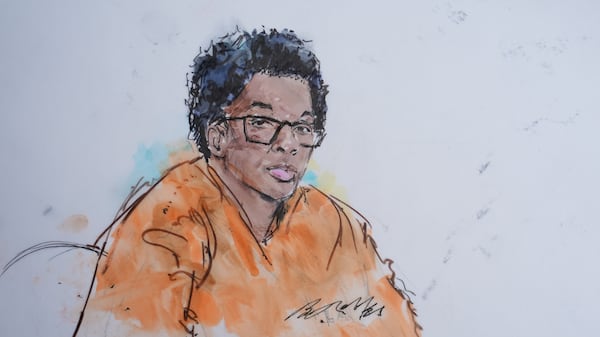
A survivor of the deadly vehicle attack at the Lapu-Lapu Day Festival in Vancouver earlier this year is suing the city, the local health authority and the alleged attacker, and hopes to have the lawsuit certified as a class action. Lawyers for John Lind filed the notice of civil claim in B.C. Supreme Court in Vancouver on Thursday. According to the document, Lind attended the April 26 festival in East Vancouver with his family and was injured in the attack, suffering “multiple left-sided rib fractures,” a punctured lung, a punctured spleen and kidney lacerations. He also suffers from post-traumatic stress disorder as a result of the incident. Eleven people died and numerous others were injured in the attack, during which Kai-Ji Adam Lo allegedly drove an SUV into the crowd. Lo has been charged with 11 counts of second-degree murder and 31 counts of attempted murder. Last month, Lo was deemed fit to stand trial. His history of mental health issues forms part of the basis for Lind’s lawsuit. At the time of the attack, Lo was under the mandatory care of a Vancouver Coastal Health community team. He was subject to conditions under the Mental Health Act, but was living freely in the community. Lind’s proposed class action alleges that VCH was negligent for “failing to adequately treat the defendant Lo given the obvious deterioration of his mental health, and/or failing to ensure that they were following up with him adequately to assess his current mental health status and the risk he posed to himself or others.” The lawsuit also alleges that the health authority failed to pursue Lo’s detention, hospitalization or arrest as his mental health deteriorated in the days before the festival. The City of Vancouver and Lo himself are also accused of negligence in Lind’s notice of civil claim. Lo’s alleged negligence stems from “driving the SUV past wooden barriers on the premises, knowing that significant harm and/or death to attendees would likely result,” according to the document. The city and the Vancouver Police Department, meanwhile, are alleged to have been negligent in the following ways: In addition to negligence, the lawsuit alleges that this conduct from the city violates its obligations under the Occupiers Liability Act. The allegations in Lind’s lawsuit have not been proven in court and none of the defendants have filed a response to the claim. The city and the VPD declined to comment on the case. VCH provided a brief statement to CTV News, describing the Lapu-Lapu Day Festival incident as “a terrible tragedy.” “Vancouver Coastal Health extends our deepest condolences and ongoing support to the victims of the incident, their families, and the entire community as they recover from this tragic event,” the statement reads. “In order to protect the legal proceedings, VCH is unable to provide further comment at this time.” The health authority also referred CTV News to previous public statements it has made about Lo’s treatment plan and his “extended leave” from hospital care. “The care team followed established guidelines for a client on extended leave, and there was no indication this person was not following their treatment plan or presented a public safety risk,” the earlier VCH statement noted. The lawsuit seeks both general and punitive damages against the defendants, with compensation sought for medical expenses, loss of past and future income and cost of future care. “The Lapu-Lapu Festival tragedy raises complicated statutory and common law questions, including the scope of duties of care owed by the defendants to victims and their families, and how the ICBC no-fault scheme applies in these circumstances,” reads a statement from Lind’s lawyers. “Given the common legal complexities shared amongst all victims of the Lapu-Lapu Festival tragedy and the costs it would visit on survivors and the families of those killed to prosecute individual lawsuits, the Lind family will apply for certification of a class action proceeding to fairly and efficiently resolve the victims’ claims through the court process. An alternative and preferable process would be a swift, non-adversarial, negotiated resolution of this case involving the defendants and any other public authority or level of government.”