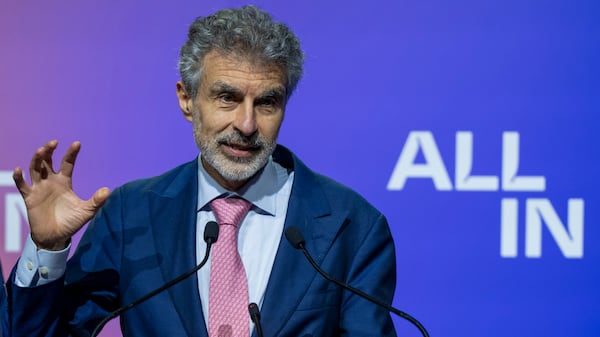
The B.C. Humanist Association is urging non-believing Canadians to tick “no religion” on this year’s census, arguing the country’s secular population has been undercounted due to phrasing on the form. Question 30 on the census asks for the religion of every person in a given household, and instructs that one should be provided even if the individual “is not currently a practicing member of that group.” The BCHA suggests that wording has led to misleading results, including in the previous census in 2021, which found 34.6 per cent of Canadians have no religious affiliation. “An accurate census is a win for everyone,” said Ian Bushfield, the group’s executive director, in a statement. “It ensures that public policy on health care, education, and human rights is based on who Canadians actually are in 2026, not who we were 50 years ago.” Bushfield called the census the “most important document” in the country when it comes to deciding how tax dollars are spent, with the data being used to “justify funding for faith-based programs, chaplaincy programs, and religious schools.” Asked about the rationale for the wording of its census question on religion, Statistics Canada said tracking religious affiliations, even among those who are not practising, helps “provide a more detailed picture of Canada’s ethnocultural diversity.” “Many people use services that are consistent with their religious affiliation, even if they don’t actively practise a religion,” a spokesperson told CTV News, in an email. “This information helps governments, organizations and religious service providers plan programs and services for the community.” Maintaining the wording across census cycles also “ensures continued comparability of the data over time,” the spokesperson said. Statistics Canada noted that apart from the option of checking “no religion,” people without a religious affiliation can also enter responses such as “atheist” or “agnostic” into a text box on the form. The number of Canadians reporting no religious affiliation has been gradually increasing for decades, with just seven per cent identifying as secular as of the 1981 census. B.C. has been an outlier due to its higher proportion of non-believing residents for just as long, going from 20 per cent who identified as secular in 1981 to a slim majority of 52 per cent as of 2021. The BCHA said awareness campaigns in the U.K. and Australia led to record numbers of citizens reporting no religious belief, and suggested the same could happen in Canada, where census forms have already been distributed to some northern and remote areas. “We’re saying: if you don’t believe it, don’t tick it,” Bushfield said. Most households will be receiving their invitations to participate in the census in May.