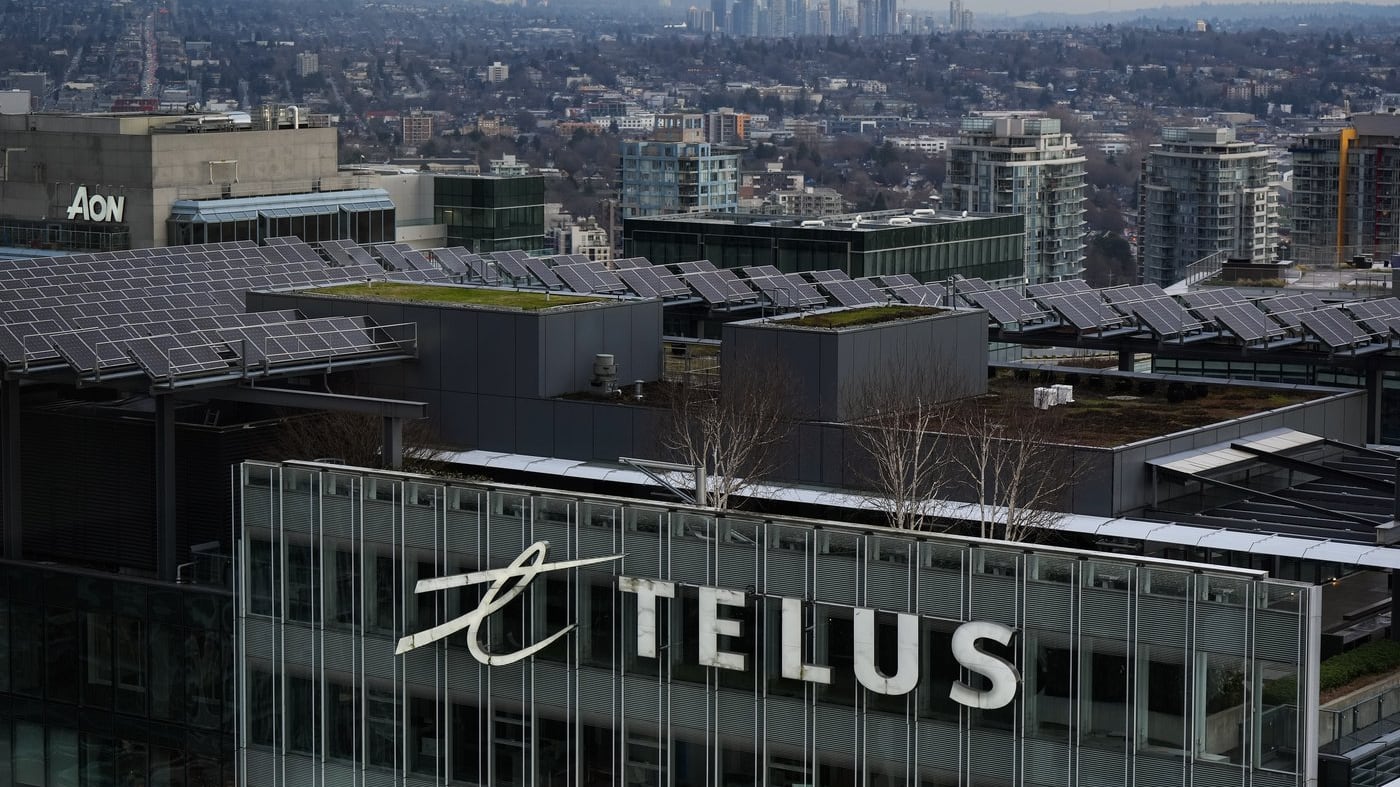
Two new large-scale data centres are set to break ground in Vancouver this year. There are 16 data centres already dotted around Vancouver, with a majority located in the downtown core and Mount Pleasant. They have various purposes, with some serving as colocation centers—where retail customers can rent equipment and bandwidth—and others purpose-built for AI. The two new data centres coming to Vancouver, a joint project between telecommunications giant Telus and the federal government, are meant to improve and increase the scale of Canada’s sovereign AI infrastructure, Telus said Monday. The project was proposed under the federal government’s AI initiatives introduced in 2025 that support the development of these large-scale data centres. One of the centres will be joining the five already calling Mount Pleasant home. The portion of the neighbourhood where the centre will be developed is currently categorized as an I-1 light industrial zone, an area the city says “serves as an important job centre for the local economy.” According to Telus, this new cluster of data centres is expected to bring about $9 billion in economic value to the province. Additionally, the building process is expected to create more than 1,000 construction jobs. The second data centre is set to be built right beside BC Place. The renderings show a 10-storey building with a potential for the utilization of 100 megawatts at any given time, which is the same amount of power needed to run approximately 500 homes for a full year. In a news release, Telus stated the new centres will be some of the world’s most sustainable. “The Vancouver facilities will set a new global standard for sustainable AI infrastructure. Powered by 98% renewable energy, the facilities are designed to integrate into the City of Vancouver’s Neighbourhood Energy Utility in Mount Pleasant and Creative Energy’s downtown district energy system, supporting the decarbonization of over (50 million) sq. ft. of real estate,” the statement reads. The company says it has secured an initial 85 megawatts of clean, renewable power from BC Hydro for the two new centres. “BC Hydro and the province are taking a managed and phased approach to serving these large new loads to protect affordability and reliability for residential customers,” BC Hydro said in a statement to CTV News. “New high demand projects like data centres must now go through a structured, competitive process with capped power allocations in the current Call for Power for Innovative Data Centres, rather than receiving unlimited, first come access.” These centres have been quietly popping up across Vancouver for a number of years, occupying hundreds of thousands of square feet in unassuming buildings. These tech towers have been storing cloud data and hosting website domains for over a decade in the city. Their existence is not necessarily benign, though. Many data centres use evaporative cooling methods to keep their computers at functioning temperatures. These cooling methods have become a primary critique of the massive centres, as they require the use of freshwater. According to the Environmental and Energy Study Institute, large data centres can use up to 19 million litres of water every day, and since nearly 80 per cent of that water evaporates, it can’t be reused. Telus said these new centres will use a different method for cooling called a closed-loop cooling system that will reduce their water usage by up to 80 per cent. Still, the amount of water needed for these AI data centres is a big concern among community members, especially given the state of B.C.’s water resources. On May 1, Vancouver activated Stage 2 water restrictions to help conserve drinking water in anticipation of a hot, dry summer with low snowpack. “Metro Vancouver is running out of water. I’ve heard that they’re going to do their best, they’re going to try and use recycled water and it’s going to be a closed loop. But I still have concerns about how much water these are going to use,” Coun. Sean Orr said. According to market intelligence firm Mordor Intelligence, data centres in Canada used almost 65 billion litres of water in 2025. No cooling method is perfect for these computers, and despite best efforts, they often emit a significant amount of heat. Studies have shown that the heat coming from these centres has created “data heat islands.” Though the data centres planned for Vancouver don’t match the scale of those in the study, even smaller data centres generate a significant amount of heat waste. In recent years, B.C. has seen an increase in extreme heat events throughout the summer months, with more on the horizon. The heat dome that came to the province in 2021 saw over 600 heat-related deaths, and even more adverse health effects, with temperatures in the Lower Mainland breaking previous temperature records by 5 degrees or more. “Where does this fit into building a city this is actually working to protect disabled life, and life in general,” Gabrielle Peters, disabled writer and policy analyst said. A majority of the people who died during the 2021 heat dome also had pre-existing chronic conditions and limited mobility. The federal government says that extreme heat is the leading cause of illness and death from weather-related hazards in Canada. Peters argued the city remains ill-prepared for serious heat events, and expressed concern about the impact the data centres could have on temperatures. “I have a lot of questions,” said Orr. “There’s health concerns. This isn’t a massive one [like] we’re seeing across the States, but it’s still pretty big. Will it contribute to a sort of heat island effect?” The proposed developments have garnered quite a bit of attention online, mostly from confused and concerned Vancouverites questioning why the city was chosen for the projects. “The two Vancouver locations were selected because of their ability to integrate directly into Vancouver’s existing district energy infrastructure. This is what makes these facilities genuinely unique and beneficial to the communities around them,” Telus clarified in an email to CTV News. With the Mount Pleasant development application still open for comments on the ShapeYourCity website, residents are passing the link around, encouraging their neighbours to vote against the proposed centre. The Mount Pleasant centre is expected to be up and running by the end of this year, with downtown’s centre slated for a 2027 opening.