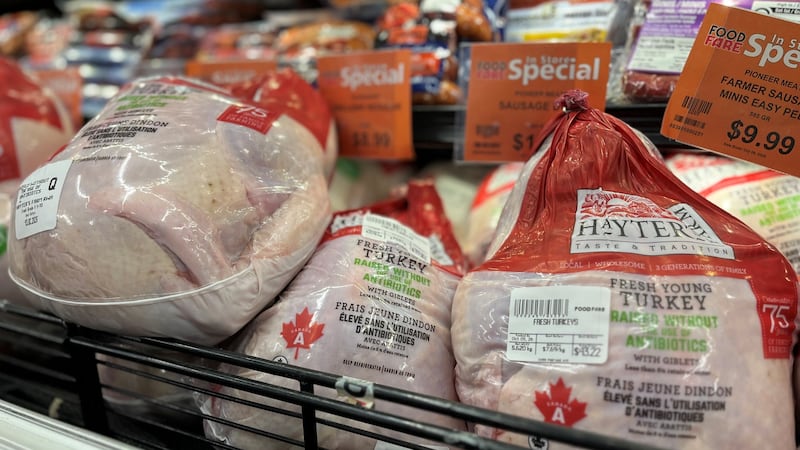
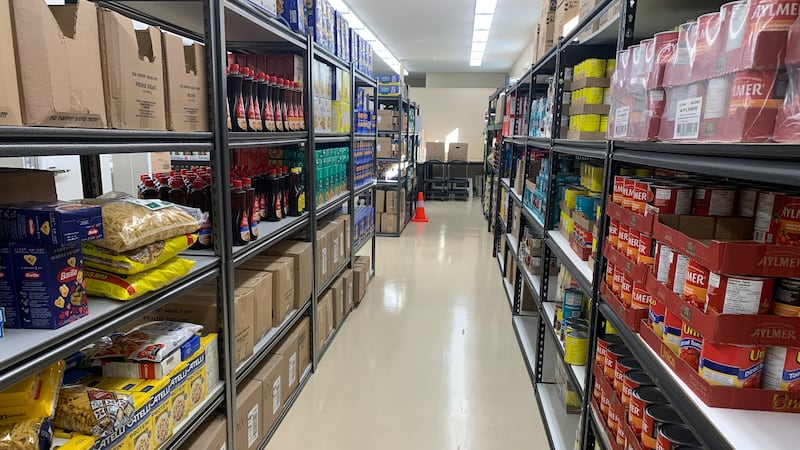
A surge in global fuel prices linked to the war in Iran is beginning to ripple through the food supply chain, putting pressure on independent grocers and raising concerns about higher costs for consumers. The impact is not only being felt at the gas pump, but is increasingly showing up in grocery stores, where transportation costs play a significant role in pricing. Brigida Crosbie, owner of Tydel Foods in Chilliwack, says the effects of the conflict have already reached her business. “Any kind of product that we bring in, it’s definitely going up a little bit more in price,” Crosbie says. Crosbie also operates the Community Angels Food and Housing Support Society, a charity subsidized by Tydel Foods. Crosbie tells CTV News the program serves about 800 Chilliwack seniors, and adds rising costs have heightened her concern that a drop in customers at the store could affect the charity’s ability to continue supporting seniors. “When we’re working on volume of people shopping here to in order to help and continue the seniors program, we just cannot allow that to go down at all,” she says. Despite efforts to keep prices low to encourage customers to keep shopping locally, Crosbie says suppliers have already begun notifying her of rising delivery costs. “We have some suppliers sending us letters saying that the delivery charges have increased and increased by like 50 per cent, so quite significant,” Crosbie says. Tydel Foods is not alone. CTV News has obtained letters from two of Canada’s largest food suppliers, including Maple Leaf Foods, indicating they will be implementing fuel surcharges in response to higher transportation costs. The federal government recently lifted the excise tax on fuel until Labour Day, but energy analysts say the move is unlikely to provide the relief many business owners and consumers were hoping for. “It probably won’t to most end users. And that’s because most of the Canadian economy moves on diesel, and the diesel excise tax pause only amounts to four cents a litre,” says Patrick De Haan, head of petroleum analysis at GasBuddy. Gary Sands, the senior vice-president of the Canadian Federation of Independent Grocers, says small grocers are being squeezed by rising costs and thin margins, leaving many with little choice but to pass some increases on to customers. “If you don’t, you’re just not going to be an independent grocer. You’re going to be out-of-business grocer. And that’s just the reality of the business,” says Sands. Sands adds that the trickle-down effect of increased fuel costs is putting even more pressure on independent grocers. “When you’re on that two-per-cent margin, it makes it very difficult to say to consumers, ‘I’ll eat this myself and not be able to pass some of it onto you,’” he says. For Crosbie, the goal is to continue absorbing as much of the impact as possible, while acknowledging that the rapid pace of change is making that increasingly difficult. “I think the changes have to come very quickly because it’s happening very quickly, the opposite direction,” she says.