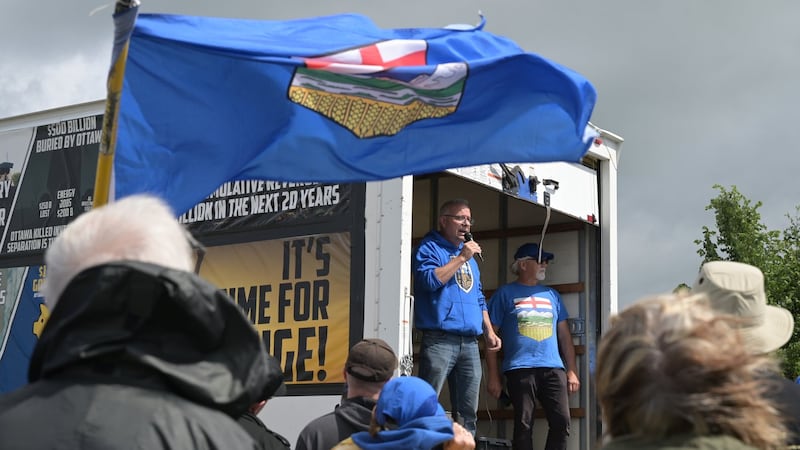
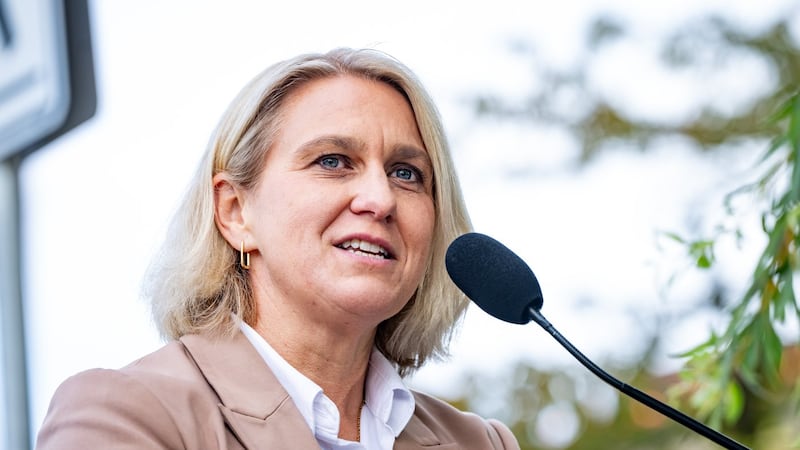
A day after the prime minister made public his approval and cleared the way for a new oil pipeline from Alberta to B.C. waters, critics are warning they’re prepared to vocalize their opposition with rallies and protests. Mark Carney made the announcement about the proposed route in Calgary alongside Alberta’s beaming premier, hours after standing next to David Eby to assure British Columbians he would not be lifting the tanker ban in northern B.C. While First Nations and environmental groups applauded the continuation of the moratorium, they are still opposed to the planned route along the existing TMX pipeline and plan to take that opposition to the streets if it moves forward. “Absolutely, and I intend to help lead that opposition,” said Emily Lowan, leader of the B.C. Green Party, who slammed the prime minister for offering the province a basket of funding and other incentives as he pushed ahead with the pipeline. “I think Mark Carney is taking notes from Donald Trump in ‘flooding the zone,’” she said, adding, “This whole plan is socializing the risks of a dying industry and privatizing the profits.” Allied in opposition The Sierra Club took a more diplomatic tone, telling CTV News that Thursday’s announcements were wins in many ways. But spokesperson Shelley Luce added there is “still a big concern and still a place for B.C. residents to make their voices heard to make sure that we do not build a new pipeline.” Other groups are already looking at what it will take to rally allies and make public demonstrations, which have been common for proposed pipelines in the province. “For this pipeline to move forward, it will face a fight,” confirmed Environmental Defence Canada spokesperson Emilia Belliveau. “If the pipeline is built, it will be an economic failure and a stranded asset for Canadians to pay for down the line—and if it is not built, I think that would actually be the biggest success.” Grand Chief Stewart Philip, who was a prominent opponent to the shelved Northern Gateway pipeline, emphasized that there are legislated requirements for First Nations to provide free, prior and informed consent before any project goes through their lands. “If push ever comes to shove in B.C. in the future, all for a proposal that is just absolutely unacceptable, we will all be on the front lines,” said the president of the Union of B.C. Indian Chiefs. “The issue here in British Columbia is not about, which Tweedledee or Tweedledumb pipeline proposal has come forward, the issue is much larger than that, it’s much more grave than that: It’s about the climate crisis.” Is south truly the easy way? On Thursday, Alberta Premier Danielle Smith told journalists that they’d opted for the southern route along the existing TMX corridor because they believe it’ll speed up planning, approvals, and construction. Kevin Hanna, UBC professor of earth and environmental sciences, told CTV News that he had expected they would make that decision since it was completed only two years ago, and the challenges are well-known and fresh in the minds of the stakeholders. He pointed out that while critics may be opposed to the continuation of the fossil fuel industry in favour of renewables, Canadian pipelines have a good safety record and that “there is no immediate prospect for the global economy moving away from the extent to which it relies on oil and that transition, which is really desirable, has been slowed largely because of the dysfunction in American public policy.” Hanna did warn those who assume that it’ll be smooth sailing by following the TMX route that “the biggest risk, in my opinion, in the operation of any component of this system is complacency.”