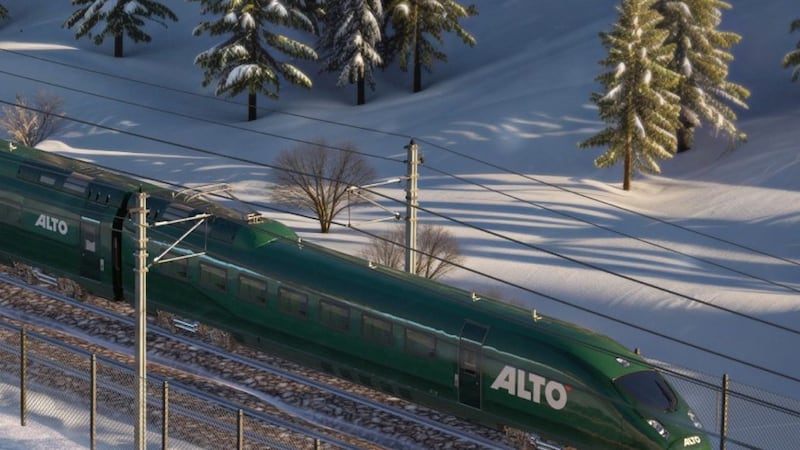
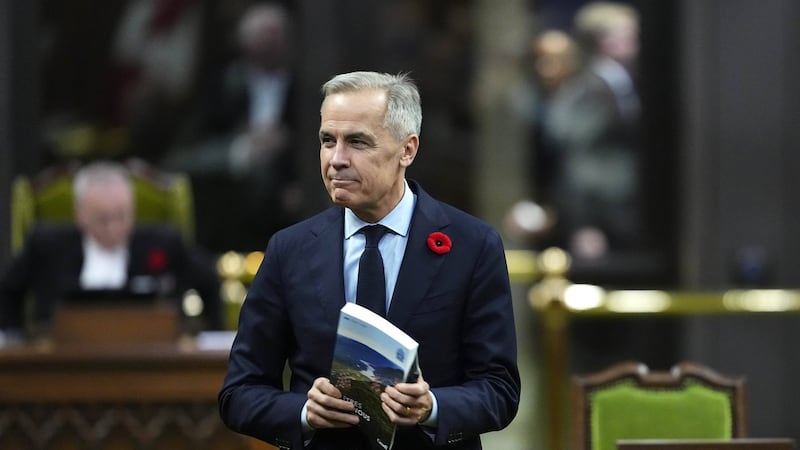
The unveiling of the federal budget for 2026 brought with it some expected wins for Alberta industries, analysts say, although it requires clarity on both energy and immigration next steps in the province. Alberta Finance Minister Jason Nixon issued a statement of approval Thursday night as his staff reviewed Ottawa’s proposed $141 billion in new spending. “Our initial assessment is that after a decade of destructive governance in Ottawa, our work to repair Alberta’s relationship with the federal government over the past year is paying off,” he wrote in a media release. Budget 2026 has plans for three major projects in Alberta, including the Pathways Project and the Pacific Link pipeline, which in conjunction feds believe will both expand market access internationally from the west coast while reducing emissions. An Alberta high-speed rail connecting the Calgary-Red Deer-Edmonton corridor is also on the list. Mike Holden, the vice-president of the Business Council of Alberta, says budget shoutouts are pleasantly unsurprising. “This focus on business investment, on competitiveness, on getting more major projects built and faster, that’s been a pretty singular focus of this (federal) government since it was elected, so we’re seeing that path continue in this budget,” he told CTV News Edmonton. There may also be perks for the province’s small-and-medium-sized businesses with the proposed mega-deduction, which would let companies write off major investments and capital spending immediately. “(That) gives them more cash up front in their pockets,” Holden explained. “Getting major projects built and approved faster, building up and modernizing the trade and transportation infrastructure system that we use to get goods to market, these are all things that are critically important to Alberta businesses.” He does wonder who will build all those major projects. “They require a lot of people, and require a lot of people with very specific trades backgrounds and skill sets … You’re going to use up your workforce pretty quickly.” Beginning work on a pipeline in the next year, for example, would require officials to train Canadians – and prioritize economic migration – in a time crunch to meet worker demand. “You don’t necessarily need to increase immigration levels, but you need to make sure you’re bringing in the people you need at the time that you need them … I think that’s something that all governments, provincial and federal, would easily support.” Rod Gilbert, the president of the Canadian Construction Association, told CTV News the solution may be to recruit young workers by marketing the jobs as “an industry that pays well.” Edmonton Mayor Andrew Knack, who celebrates the business supports and unrelated federal investments in the arts, said the capital city will look to become a hub for those young workers. “If you are a skilled trades person or a skilled engineer, you’re looking for an excellent quality of life, you’re going to look to Edmonton,” he told reporters on Friday. Budget 2026 also commits to building 200,000 new homes across Canada in the next decade, including 350 in Edmonton. Knack hopes more affordable housing only sweetens the deal for workers. Missing from the federal budget is funding for some municipal infrastructure, including Edmonton’s High Level Bridge – which is in desperate need of rehabilitation. Alberta businesses may also be looking for clarity on issues brought up during the previous Liberal government, specifically surrounding the industrial carbon price, clean electricity regulations and fuel standards. Holden says the budget does address some of those concerns, but has not fully “walked back” Justin Trudeau-era regulations yet. With files from CTV News Edmonton’s Chelan Skulski