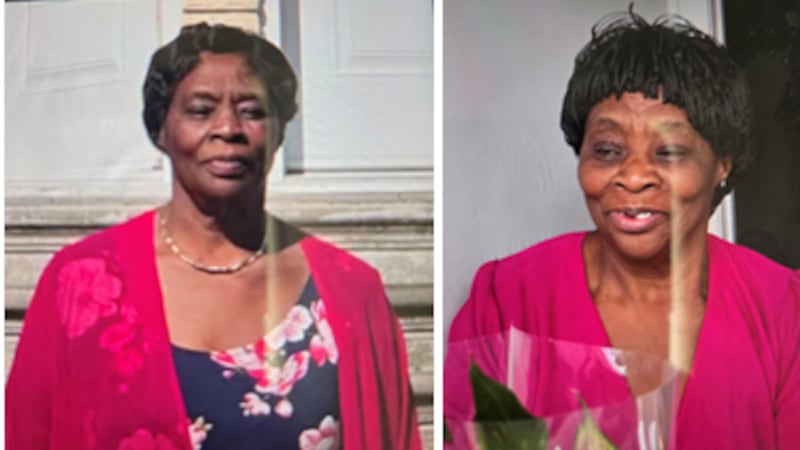
Tania Warner and her seven-year-old daughter Ayla are trying to resume their lives in Kingsville, Texas, after spending nearly three weeks in U.S. Immigration and Customs Enforcement custody. “It’s a roller coaster. You know, sometimes I feel on edge, and other times I’m exhausted,” said Warner. “(Ayla) seems okay. I don’t think seven-year-olds really understand the weight of these kinds of situations.” Warner moved from Penticton, B.C., to Texas five years ago to be with her new husband. But he couldn’t sponsor her for a green card because of a 1999 sexual assault conviction. Mother and daughter were pursuing a different path to a green card and had paperwork stating they were legally allowed to live in the U.S., pending a review, when they were detained at an immigration checkpoint in south Texas last month. “I’ve been through this checkpoint multiple times. But this particular day, based on the changes in policy, they decided that they were going to detain us,” said Warner. “I was so stressed that I was unable to eat and it was making me physically ill.” Immigration lawyer Len Saunders says what happened to Warner and her daughter used to be unheard of. “I’ve been practicing U.S. immigration law in Blaine for almost 25 years, and you would never hear these cases in the past,” he said. “There had to be very serious criminal convictions or immigration violations. You wouldn’t hear of just random Canadians being picked up at checkpoints driving around the U.S. and held in custody for weeks or months.” Warner says while she was in custody, she was pressured to self-deport back to Canada, but refused. As they were moved from one ICE detention facility to another, she tried to shield Ayla from what was happening. “I presented it to her like we were on a weird vacation, that it was just where we had to be for now while the government figured out our immigration because we’re Canadian,” she said. After posting a bond, last Thursday Warner and her daughter were realized from custody. They had been in detention for 19 days. “I felt just desperation. I wanted to say relief, but it wasn’t. It was just, ‘Get me out of here,” Warner said. “The judge ordered me non-detained, so they’re not supposed to detain me again. Whether or not they follow that order? I don’t know.” Sounders said while the release is positive news, he does have questions about whether the detention will impact the process going forward. “I’m glad she got out. So, they obviously did the right thing by releasing her. But I’ll be interested long term to see whether she does get her green card and whether any of this detention affects her application,” said Saunders. “She will have her day in court. She will be able to explain her case to an immigration judge who has to follow the law, not just randomly deporting people,” added Saunders. Warner was fitted with an ICE ankle monitor and is required to attend several hearings as her status in the U.S. is determined. “ICE is basically saying they want to deport us. And my lawyer is saying, ‘No, she should be able to stay,’ said Warner. “So, I have to basically win those court hearings in order to stay in the country.” If she fails to convince a judge she deserves a green card, Warner will be forced to leave her life and her husband behind in Texas and move back to B.C. “This is my husband’s home, he owns it. We have our friends here, we’ve built a life here,” Warner said. “This is the only home my daughter has ever known. She doesn’t remember Canada.” RELATED STORIES: