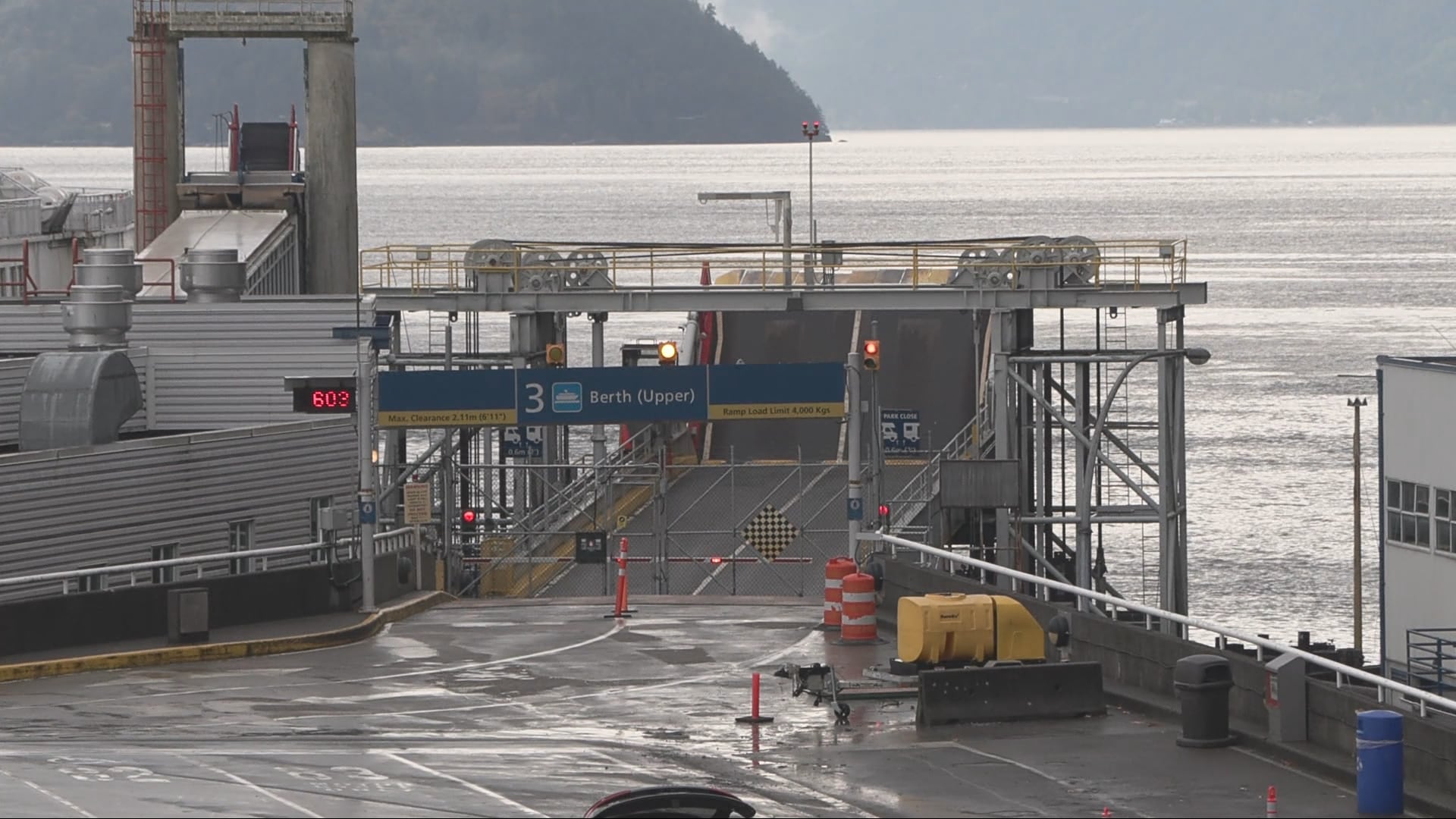
A couple trying to recover nearly $3,000 in travel costs after a disrupted BC Ferries trip has had their claim dismissed, with the Civil Resolution Tribunal ruling the company wasn’t liable for the losses. The decision, published Friday, explains why Saumya Bhavsar and James Burg sought $2,854.96 over their derailed July 21, 2024 travel plans. According to the tribunal, the pair had booked round‑trip reservations for July 19 and July 21 between Horseshoe Bay and Departure Bay in order to visit Cortes Island. The decision states that on July 21 the couple arrived at the Cortes Island terminal around 9:30 a.m. but didn’t leave on a ferry until 3 p.m. As a result, they didn’t reach Departure Bay until 6 p.m. and were told their 6:20 p.m. reservation would not be honoured because they had missed BC Ferries’ 30‑minute check‑in cutoff. BC Ferries disputed how long the pair had waited for the Cortes Island sailing, arguing they should have been able to board an earlier boat, but the tribunal said that issue ultimately didn’t affect the claim’s outcome. The couple’s troubles continued after they waited in the standby lane until the final 11:15 p.m. sailing but were not allowed to board, according to the decision. They stayed overnight in Nanaimo and told the tribunal they were unable to purchase a reservation for the next day. To get back to the Lower Mainland in time for work, they bought foot‑passenger tickets and left their vehicle behind until July 27. They ultimately claimed a range of expenses—including food, taxis, accommodation, foot‑passenger fares, lost opportunities, and “loss of enjoyment”—arguing BC Ferries’ delays earlier in the day caused them to miss their reserved sailing. The tribunal found BC Ferries wasn’t responsible for the couple’s losses for three key reasons. First, the CRT pointed to the company’s conditions of carriage, which includes a clause stating that “BC Ferries is not responsible for any loss, damage or inconvenience suffered by any passenger from late, delayed or cancelled sailings regardless of the cause,” according to the decision. The CRT noted that anyone booking an online reservation with the company must check a box saying they agree to BC Ferries’ conditions of carriage. Because that clause formed part of the contract, the tribunal said BC Ferries wasn’t responsible for expenses tied to delays on the Cortes Island leg. The tribunal also found that the BC Ferries booking page and booking email formed part of the parties’ contract, specifically the part that states that anyone with a sailing reservation must arrive at the terminal 30 to 120 minutes “prior to scheduled departure,” which the couple did not. The applicants argued BC Ferries had a duty, as the sole provider of service to Cortes Island, to offer reservations on certain routes, publish contingency‑planning guidance, or make exceptions as an “adaptive measure,” according to the decision. The tribunal rejected this, finding that BC Ferries’ public commitments “do not amount to a legal duty and did not form part of the parties’ contract.” Because the couple did not prove BC Ferries breached the contract or was otherwise liable, the tribunal dismissed the claim and no tribunal fees were awarded.