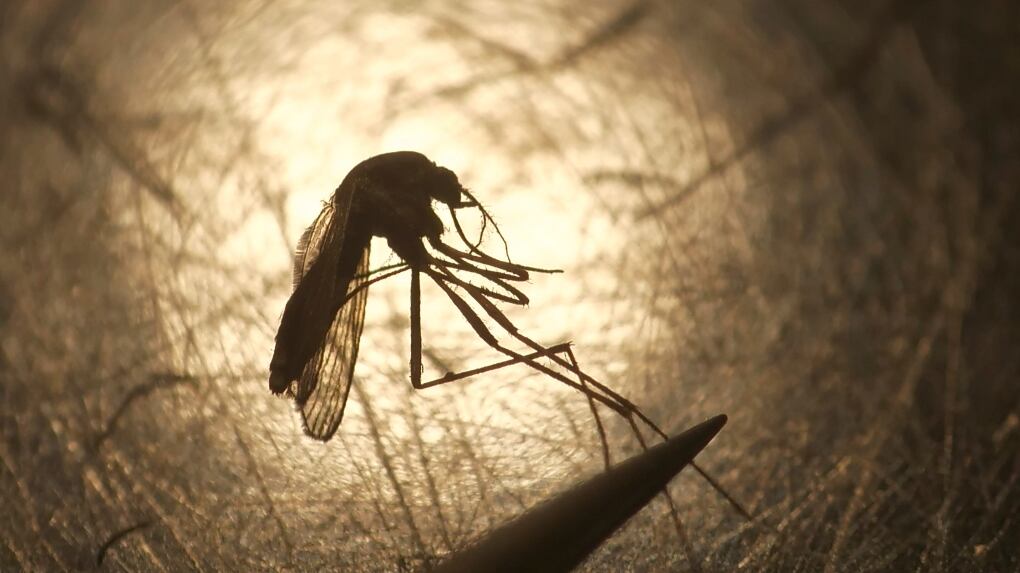
Hamilton is reporting its first case of a mosquito-borne illness called Eastern Equine Encephalitis (EEE) in a horse since 2019. This rare, but serious, viral disease can cause inflammation of the brain in severe cases, starting with a sudden headache, high fever, chills, and vomiting. Symptoms, which usually appear in humans three to 10 days after being bitten by an infected mosquito, normally include a mild flu-like illness with fever, headache, and fatigue. Most people who are bitten by an infected mosquito, however, don’t develop any symptoms. Eastern Equine Encephalitis is typically found in a virus carried by wild birds, however humans and horses bitten by an infected mosquito can become ill with EEE, the municipality said in a news release. The City of Hamilton noted that there are no reports of human illness caused by this virus in Hamilton at this time. Dr. Bart Harvey, the city’s associate medical officer of health, said while the risk of being infected with EEE is low, this confirmed case serves as a reminder to residents to take precautions to avoid illness spread by mosquitos. “Employing simple preventive measures such as using insect repellent containing DEET or Icaridin, covering up, and removing standing water on your property to prevent mosquito breeding will reduce your risk while you enjoy the outdoors. The risk of these infections will drop once there is a heavy frost that reduces the number of mosquitoes.” Hamilton Public Health Services is providing the following tips to avoid being bitten by mosquitos: “(We) continually assesses the risk for human illness as part of a comprehensive vector-borne disease surveillance and prevention program. The City is currently completing its third round of mosquito larvicide treatments on city street catch basins, in addition to treatment of surface waters on public land,” a release read. More information about Hamilton’s mosquito control program can be found online.