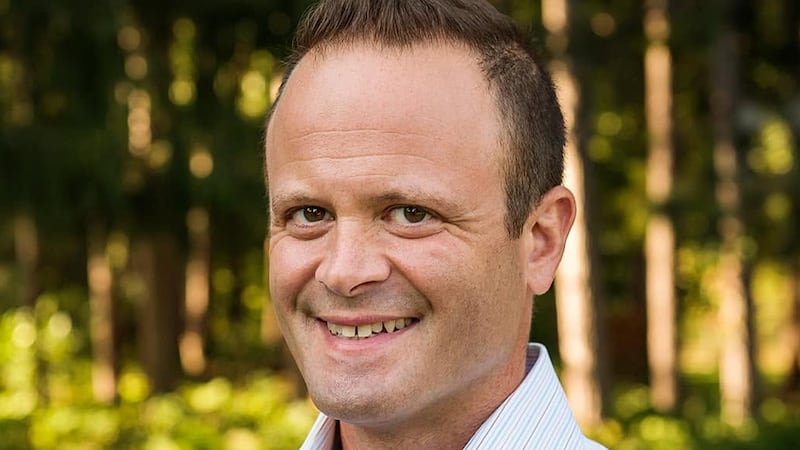
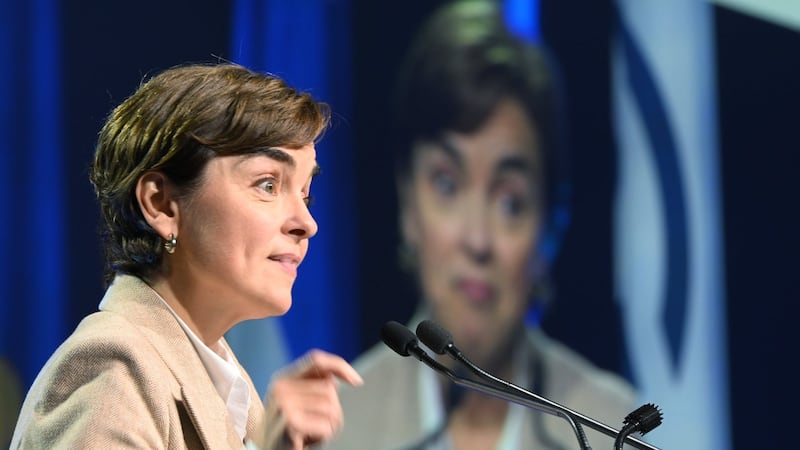
At her computer in Saskatoon, Kim Lameront is building something she wishes existed a year ago when she was diagnosed with Functional Neurological Disorder, or FND. “It’s where the brain signals get mixed up, so they don’t receive or send out the signals properly,” Lameront told CTV News. FND affects movement, sensory function, and the nervous system, but remains widely misunderstood. Treatment options are limited, and many patients struggle to find clear answers. “I was diagnosed and basically just sent on my way. Not told what causes it really, or how to navigate it. It was scary and isolating,” she said. The unpredictability of flare-ups forced Lameront to leave her job. In response, she created Healing Horizons for Functional Neurological Disorder, a Saskatchewan-based nonprofit designed to support others facing similar challenges. The primarily online platform offers peer support and practical tools for managing symptoms, along with resources for caregivers, educators, and healthcare professionals. “Coping menus, so there’s a lot for grounding and how to deal with flare-ups. There are resources for healthcare professionals, for educators, caregivers,” Lameront explained. Experts say initiatives like this can help fill a major gap in care. Dr. Tyson Sawchuk, a clinical psychologist with the University of Calgary, says there are currently no standardized treatment pathways for FND in Canada. “This is important because there are no clinical care pathways in Canada for treating this and that’s the case in many countries,” Sawchuk said. To offer some perspective on the prevalence of FND, Sawchuk tells us, 10% of all emergency room visits for seizures are attributed to FND, in the United States. Adding, anywhere from 50 to 1600 people out of 100,000 have FND in Canada. He has already begun directing patients to the site, as many are left to navigate the condition on their own. “So, these patients really need to — they struggle to cobble together their treatment,” he added. Sawchuk says increasing awareness and access to resources could significantly improve outcomes for people living with FND. Back at home, Lameront continues to manage her condition while growing the platform. Just one month after launching, she says interest is already building. “I already have a couple of clinicians I’m speaking to; they want to collaborate and research. I have volunteers already reaching out,” she said. Healing Horizons is expected to launch its first Saskatchewan-based support group later this year — marking another step toward building a stronger support network for Canadians living with FND.