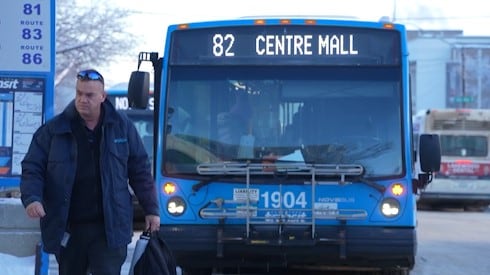
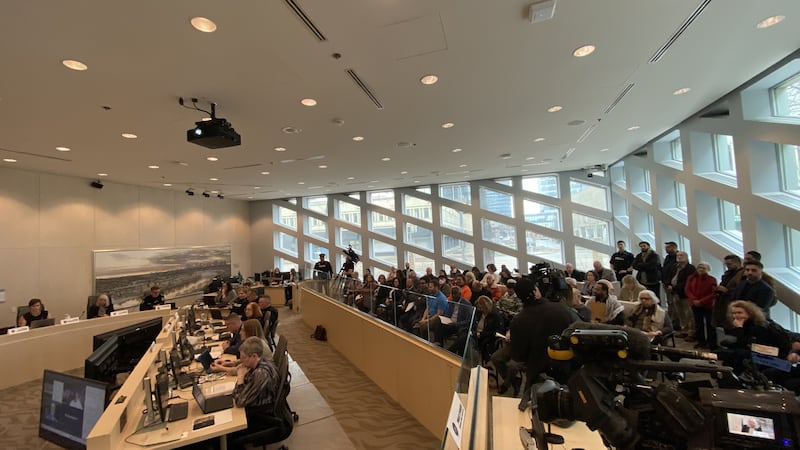
Flags were lowered across Saskatoon today in recognition of the National Day of Mourning, a day to honour workers who have been killed, injured or made ill on the job. April 28 has been observed annually since 1991 as a time to remember those lost to workplace tragedies and to renew a commitment to safety. “April 28 is an extremely important day for working people across the country. It’s the day that we remember workers who have lost their lives because they went to work,” said Lori Johb, president of the Saskatchewan Federation of Labour to CTV News. In Saskatoon, flags at all city facilities were flown at half-mast. Ceremonies and vigils also took place all across Saskatchewan. Johb says there has been a shift in recent years, with growing concern around violence in the workplace. “That has never happened before. Things like public libraries and city transit — this is something that never used to be on anybody’s radar,” she said. Don MacDonald, president of the Saskatoon and District Labour Council, says mental health is also becoming a more prominent issue. As reflected by an event held at Civic Square in Saskatoon Tuesday night. “We do have a guest speaker talking about psychological illnesses in the workplace, which has really come into focus over the last couple of years,” he said. Labour organizations say the day is not only about remembrance, but also about raising awareness and preventing future injuries and fatalities. That effort contributed to the Westray Law in 2004, which holds employers more accountable for workplace safety. Johb says stronger consequences are still needed. “The slogan is ‘kill a worker, go to jail,’ because the penalty needs to match the incidents. Every workplace death is preventable,” she said. According to the Saskatchewan Workers’ Compensation Board, there were 27 workplace fatalities in the province in 2025, matching the total from 2024. CUPE has also declared 2026 the Year of Health and Safety, with a focus on strengthening workplace committees and preventing injuries across the country. Regina, Moose Jaw and Prince Albert were some of the communities which held vigils. Organizers say these gatherings provide a space for reflection, support and solidarity among workers and families.