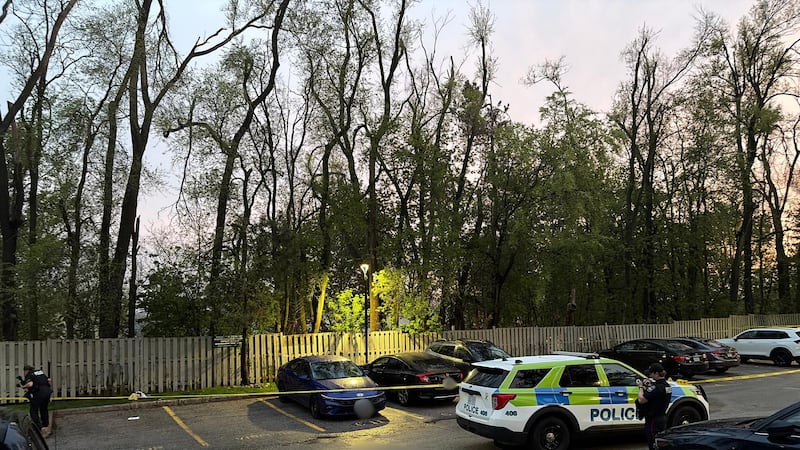
A proposal to build 17 luxury homes on a portion of Langdon Hall’s property is raising concerns from a neighbouring conservation organization who says the development may have consequences for the much larger and connected natural environment. The luxury hotel and spa is asking the City of Cambridge to change its Official Plan and zoning bylaw to allow residential development at 1 Langdon Drive, just off Blair Road. The proposal calls for 17 large-lot, single-detached homes connected by a private road. The rare Charitable Research Reserve, which stewards more than 900 acres in the Blair area, said they were not consulted about the project. “The proposal came as a complete surprise to us and we were, frankly, quite shocked,” admitted Stephanie Sobek-Swant, executive director of the rare Charitable Research Reserve. Sobek-Swant said the organization’s protected old-growth forest, which contains trees more than 250 years old, borders the proposed development site. “We would have hoped that at least environmental consultants would have reached out to us.” Sobek-Swant insists the proposed development cannot be considered in isolation from the natural environment that surrounds it. “What humans like to do, we like to draw borders and lines on a map, but those borders and lines really don’t exist,” she said. “If you’re out there on the land, everything is connected.” An environmental impact study, prepared for Langdon Hall by Roots Environmental Inc., said no development or site alteration is proposed within the surrounding woodland communities. The report also noted a minimum 10-metre setback would be established between the woodland boundaries and proposed development limits. However, the assessment acknowledges that a portion of the existing plantation forest will be removed to accommodate the project. “The proposed development will result in removal of a portion of the existing plantation community that provides habitat for Eastern Wood-Pewee,” the report states, referring to a bird listed as a species of special concern in Ontario. The bird was spotted in both the plantation and adjacent woodlands during recent breeding bird surveys. The environmental consultant argues enough surrounding woodland will remain to maintain the bird’s habitat. But Tom Woodcock, a planning ecologist with the rare Charitable Research Reserve, said bringing residential development closer to natural habitats could create additional pressures on wildlife. “This is bringing residential development much more closely into contact with our habitats. And it has the potential to increase edge effects which can negatively impact organisms that live there,” Woodcock said. Edge effects refer to changes where natural areas meet developed land. Increased human activity, noise, lighting and disturbances can have an impact on the plants and animals living in those environments. “We feel this proposal is a mistake. It doesn’t demonstrate good long-term thinking. We think our community really depends on these last remaining connected green spaces,” Sobek-Swant said. The environmental assessment said a portion of the plantation will be removed, while the applicant’s heritage assessment characterizes the removal of trees on the property as a “neutral impact.” The application also outlines plans to retain as many existing trees as reasonably possible and stated replacement plantings will be considered on individual lots where removal is unavoidable. The City of Cambridge will hold a public meeting on Dec. 8 to discuss the proposal. A senior city planner told CTV News that staff will not provide recommendations or input on the applications until after they get feedback from the community. CTV News reached out to Langdon Hall and the consulting firm involved in the proposal, but they did not respond by our deadline.