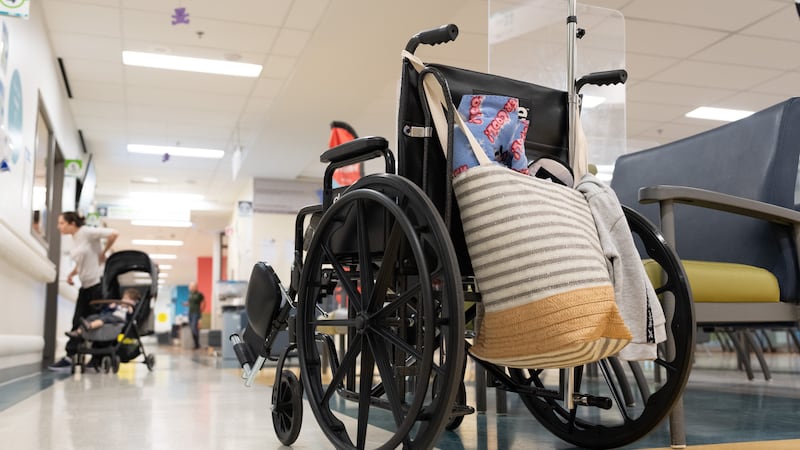
Homes across Ottawa will be participating in a neighbourhood-led initiative to ensure all children regardless of ability can enjoy the fun of trick-or-treating on Halloween. Treat Accessibly started in Toronto in 2017 and works to ensure children with mobility, sensory and neurological disabilities can take part. More than 300,000 homes have participated in the campaign to date and it is currently being piloted in 29 streets across the country, according to Treat Accessibly founder Rich Padulo. “Halloween is the largest shared neighborhood tradition of the year. That’s the time for us to do it and being outside of our home. Treating accessibly is a wonderful way to enhance the experience for everybody,” Padulo said in an interview on Newstalk 580 CFRA’s Ottawa at Work with Patricia Boal. Three Ottawa neighborhoods are participating in the campaign this year. About 20 homes on Baywood Drive in Stittsville and over 20 homes on Pinkmallow Way in Stittsville will take part starting at 4 p.m. on Oct. 31. Roughly 30 homes in Blackburn Hamlet will participate from 5:30 p.m. until the candy runs out. To make the experience more accessible, homes will be moving trick-or-treating outside and offering non-edible treats, including stickers, crayons and pencils. Baywood Drive began using the format with a larger village concept three years ago, but this is the first time individual homes and streets will be participating. Padulo says the movement was started after his daughter Siena realized their front steps kept kids with disabilities away from the Halloween treats and wanted to find a way to include them. “She saw a little boy using a wheelchair, and she asked, “How does he trick or treat at all the houses with stairs?” And that night, we made a sign that said, “Accessible trick or treating,’ put it on our lawn. A week later, we treated from the end of our driveway, and children with mobility, sensory, and neurological disabilities came from up to four kilometers away because they’d heard about the sign,” he said. Padulo says every home participating is given a sign to indicate that all children are welcome. He says the experience offers a way for neighbours and community to connect. “If you’re outside smiling, you give them an opportunity to communicate with you while being close to your parents. That’s practice that they don’t get it on daily basis because, sadly, and by no effort or on purpose, people tend to avoid children with disabilities because they’re afraid they’ll offend. But they need to connect, and they need to,” he said. For more information, you can visit Treat Accessibly’s website.