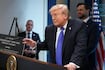
Ottawa’s mayor and officials with police, paramedics and public health are urging drivers to slow down and all road users to eliminate distractions and pay attention after a deadly month on the roads. Seven people have been killed in traffic collisions so far in October, and several pedestrians have been treated for serious injuries after being struck by vehicles. Thirty-two people have been killed on Ottawa’s roads this year, up from 23 fatalities in 2025. The Ottawa Paramedic Service said collisions resulting in life-threatening injuries are up 40 per cent this year. “Road safety is everyone’s responsibility,” Mark Sutcliffe said during a media conference at Ottawa City Hall. “Dangerous driving must not be treated as acceptable in our city. We need everyone to play their role in keeping our streets safe. We need drivers to slow down, pay attention, obey the rules, and stop looking at their phones. There’s too much speeding and distracted driving taking place on our roads, and it’s leading to life-changing consequences for many families. “So, I’m appealing to everyone in Ottawa - please put safety first.” Sutcliffe was joined by Ottawa Paramedic Chief Pierre Poirier, Medical Officer of Health Dr. Trevor Arnason and officers with the Ottawa Police Service for a media conference on Thursday morning to discuss road safety. “As we head into Halloween this weekend, and also the end of daylight saving time, I want to make a particular appeal to our residents,” Sutcliffe said. “Let’s all slow down in residential areas. Let’s be especially vigilant around crosswalks and intersections.” Ottawa Police Supt. Julie Mann said distractions are “one of the worst causes” of collisions on Ottawa roads, as well as impatience by drivers. “While every collision is different, we continue to see familiar and dangerous behaviours on our roads: speeding, distracted driving, aggressive driving, impatience,” Mann said. “These are choices, choices that can change someone’s life forever. And there are choices we need people to change, starting today. Put your phone away, slow down, leave yourself enough time to reach your destination without rushing, and actively look for the people sharing the road with you.” Mann says pedestrians need to “follow traffic signals, use designated crossings, and never step into the path of oncoming traffic. Make sure it’s safe before crossing.” “We all have a responsibility to look out for one another,” Mann said. Poirier’s message to drivers, cyclists and pedestrians is, “road safety starts with you.” “The goal is simple: that everyone who leaves home today returns home safely,” Poirier said. “A while back, we changed the language from traffic accident to a traffic collision because accidents are preventable. We have to keep that in mind. That accidents, that collisions, that all of this is preventable. The goal is simple: everyone returns home safely.” Sutcliffe says he will continue to push Premier Doug Ford and the Ontario government to reinstate automated speed enforcement cameras in school zones. “We brought in the speed cameras. The speeding went down. We took out the speed cameras. The speeding went back up again,” Sutcliffe said. “So, the data shows that speed cameras work.” The Ontario government ordered municipalities to deactivate photo radar cameras in November 2025. According to data from August, the City of Ottawa found more than 60 per cent of drivers were speeding through school zones at former photo radar locations in the city this summer. The city also found the average speed of vehicles was 7 km/h to 13 km/h faster than one year ago. The City of Ottawa will be installing traffic calming measures and signage at all former photo radar locations. “Too many families are living with the devastating consequences of preventable collisions, and we cannot accept this as business as usual,” Sutcliffe said. “People are telling me they’re observing significant speeding in their neighbourhoods. They’re observing drivers ignoring stop signs and red lights, and motorists putting lives at risk by looking at their phones instead of looking at the road. These concerns are real. They are serious, and they require us to act.”