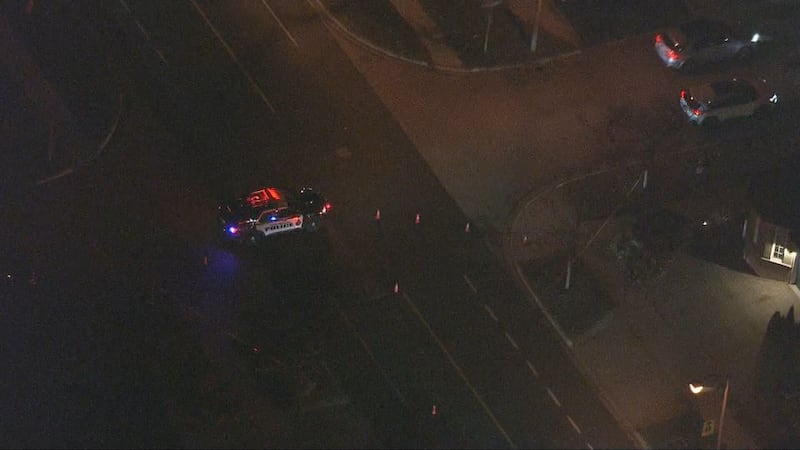
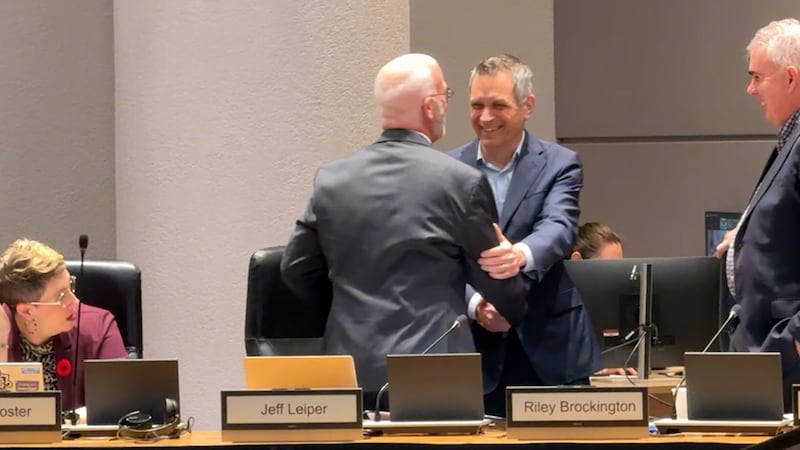
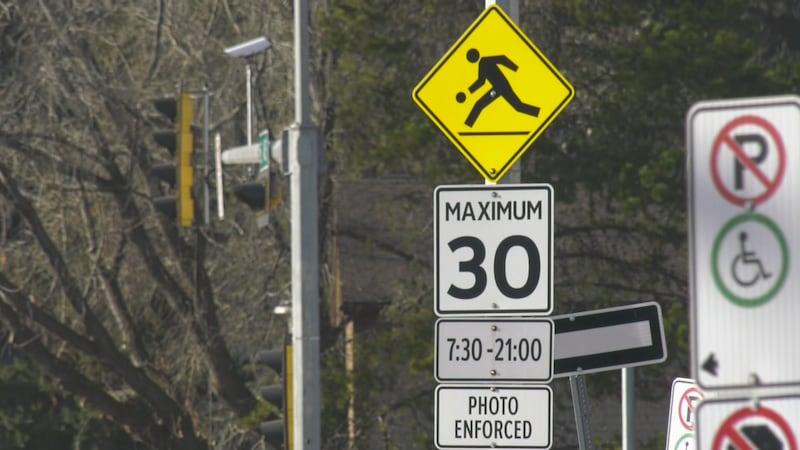
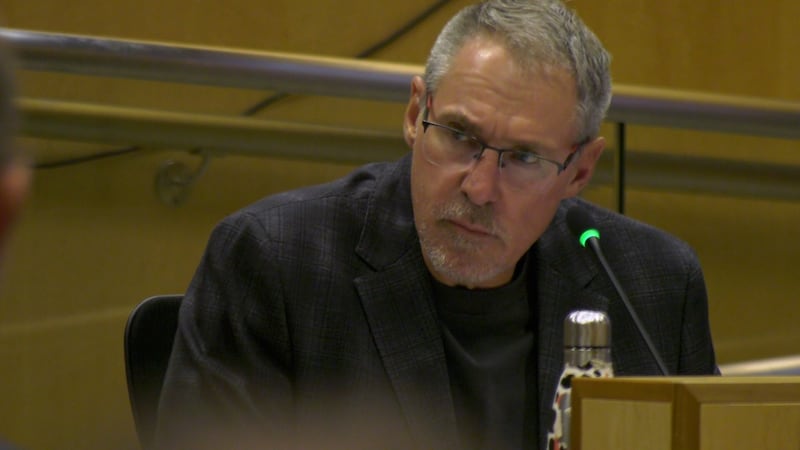
Ottawa has recorded 33 traffic deaths so far this year, surpassing the previous decade high of 29 and raising concerns about pedestrian safety on city streets. While fatalities are reported, residents say near misses involving vehicles, pedestrians and cyclists are an everyday occurrence. Annice Kronick, who lives downtown, says she has had several close calls, including one while riding her bicycle. “I was almost struck by a car,” she says. “It was on my bike and I had stopped, because I do stop and a car has not respected that, I had the light to cross the road and they just kept going. My head is always on a swivel.” Kronick adds walking can be a challenge too, recalling times when motorists have continued through intersections despite pedestrians having the right of way. As a former emergency room nurse, Kronick says she’s seen firsthand the consequences of road collisions. “It’s very, very tragic and people, just as human beings, can’t seem to have the foresight into the fact that an accident can happen anytime, any second,” she says. “But I don’t want them to have accidents to find out how to practice that respect of the road.” A new study commissioned by the Canadian Automobile Association (CAA) suggests the problem extends well beyond Ottawa. Researchers used video cameras and artificial intelligence to monitor 30 school crossings in 11 Canadian cities over five school days. They recorded an average of 4.5 near-miss conflicts per day at each crossing. That means one in every 84 pedestrians using the studied crossings was involved in a near miss with a vehicle. The research also found that the danger extends beyond traditional school travel times. The highest number of near-miss incidents occurred between 5 p.m. and 6 p.m., with 94 recorded during that hour. The study identified several road-design features associated with fewer conflicts. Crossings with traffic signals, stop signs or roundabouts had near-miss rates 20 times lower than those without through-traffic controls. Crossings without school-zone or reduced-speed signage had a 67 per cent higher conflict rate, while zebra-style crosswalk markings were associated with 56 per cent fewer near misses involving turning vehicles. Julie Beun, managing director of communications and public relations for CAA, says Ottawa’s road-safety concerns appear to be part of a broader pattern rather than isolated incidents. “This tells us that drivers continue to be distracted when they go even into school zones, which traditionally are slower and more traffic calmed,” says Beun. “Where we saw the best productions beyond zebra crossings was additional signage where there were additional traffic calming features. And I think that’s a question for municipalities and for the communities to really address.” One challenge for Ottawa is the provincial government’s decision to remove automated speed cameras. Coun. Tim Tierney says that has made speed enforcement more difficult, putting greater emphasis on police enforcement and road-safety improvements. “It’s given people a license to speed,” Tierney says. “So ultimately, it’s going to come down to police enforcement, making sure that tickets are issued and people in general just have to slow down. Hit people with demerit points. and hit their pocketbook. But putting in the additional measures and the funding through the road safety action plan will help tamp it down.” Some residents say infrastructure is only part of the solution. University student Finn Wilson says he has experienced close calls while cycling and walking, and believes drivers need to be more aware of pedestrians. “It’s more driver awareness in my opinion,” says University of Ottawa student Finn Wilson, adding he’s had many close calls with vehicle while walking and cycling. “I think that there’s a lot of infrastructure for pedestrians. It’s just not really recognized.” The CAA study also found near-miss conflicts were 2.6 times more likely when vehicles were exiting an intersection than when entering it.