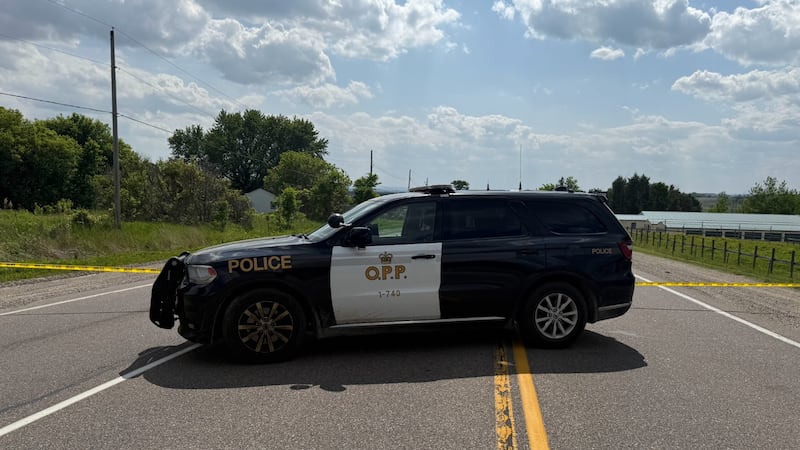
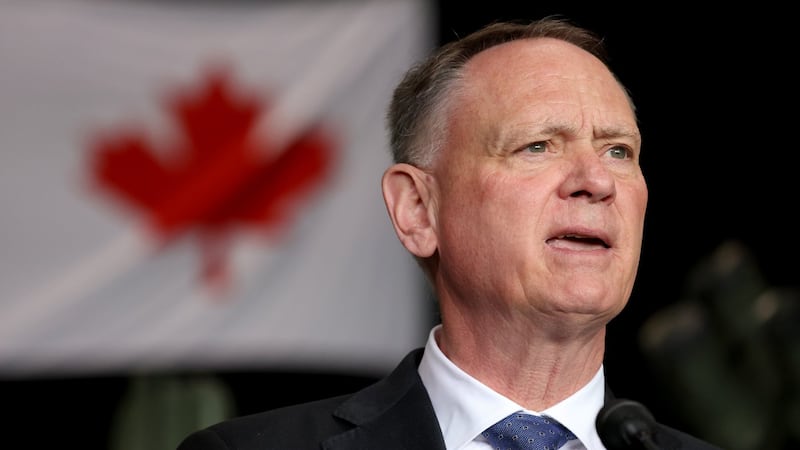
Ottawa Mayor Mark Sutcliffe says his proposal for the the 2026 budget would keep the overall property tax increase smaller than many other major cities, but it would also include what he called the biggest budget increase for police in 15 years. The 2026 draft budget directions document, prepared for the Finance and Corporate Services Committee, directs staff to develop the budget with an overall net tax requirement increase of no more than 3.75 per cent, which includes a city-wide tax levy increase of up to 2.9 per cent and higher levies for police and public transit. “To date, the City has avoided an additional 10 per cent tax increase over this Term of Council through $207.5 million of achieved savings. These efficiencies reduce the overall tax supported net requirement while maintaining service and balancing affordability,” staff say. A 3.75 per cent tax hike would cost the average urban property owner an extra $166 next year. Major budget increase for police The Ottawa Police Services levy would be increased between 2.9 per cent and 6.5 per cent in 2026. “It represents the largest increase in the police budget in more than 15 years … but it comes at a time when it’s needed to serve our community,” Sutcliffe told reporters at a news conference on Thursday. Sutcliffe says this is necessary to cover the costs of the Ottawa Police Service’s new district policing model and staff stabilization plan to hire more police officers. “Our residents have been asking for better and more effective policing. They want to see more officers patrolling our streets. They want faster response times. They want to feel safe in their community,” he said. “We need to support these important changes by investing further in policing and public safety.” A 6.5 per cent increase would add an estimated $25 million to the net operating budget for Ottawa police, pushing it to approximately $414 million. Transit improvements ‘cost money’ The budget directions say the transit levy could increase anywhere between 3 per cent and 15 per cent next year, and fares would go up anywhere between 2.5 per cent and 7.5 per cent. “Public transit is vitally important to our community and to our economy,” Sutcliffe said. “Earlier this year, we successfully launched Lines 2 and 4 of light rail, and in the coming months, we’ll open the eastern extension of Line 1 to Orléans—another huge milestone for transit. We’re also continuing to purchase more electric buses to make our transit service greener and more reliable… These improvements cost money, so another boost in transit funding is required.” The document says staff are directed to produce a list of operating efficiencies to reduce the overall fare and transit tax levy requirement. Staff are also directed to find capital investment deferrals for consideration, and any funding related to the provincial commitment to upload the Ottawa LRT. A 2.5 per cent transit fare hike would add approximately $3 to the price of an adult monthly bus pass. A 7.5 per cent increase would increase the monthly fare by approximately $10. Sutcliffe said the larger increases to the police and transit levies would be made to fit within his goal of keeping the overall tax increase at 3.75 per cent next year. “We will continue to have among the lowest tax increases of any major city in Canada,” he said. “It won’t be easy to hit these targets, but we owe it to our residents to do everything possible to achieve this important balance between investing in what matters most and keeping life affordable.” “There are a lot of needs and pressures, but we will continue to do the heavy lifting to find savings and efficiencies,” Sutcliffe said. Other fee increases include a 10 per cent increase in the garbage fee, which would add an extra $2 per month to what the average single family home pays. Recreation fees are expected to rise 2.9 per cent next year. The Finance and Corporate Services Committee meets Sept. 2 to discuss the budget directions. The 2026 draft budget will be presented to city council on Nov. 12, and the final adoption vote will take place on Dec. 10.