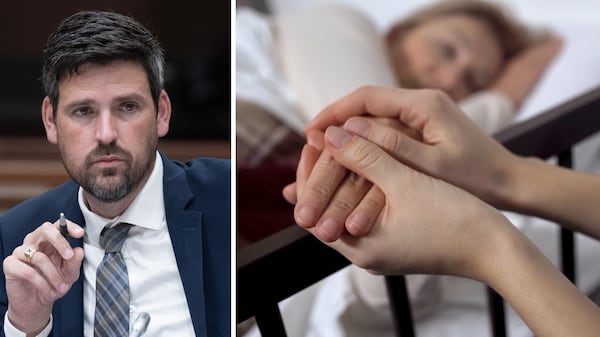
Fresh off winning his second term as mayor of Ottawa, Mark Sutcliffe says a $95 monthly transit pass will be included in the city’s 2027 budget, regardless of whether negotiations with the provincial government over transit funding and Highway 174 are resolved by then. Speaking to CTV News Ottawa on Tuesday morning, one day after being re-elected, Sutcliffe said he already started working on next year’s budget and preparing to implement the platform he presented to voters. “The $95 transit pass will be in the 2027 budget, whether the upload is completed by that time or not,” Sutcliffe said. The mayor did not provide a specific launch date for the discounted pass, saying that would be determined through the budget process. He also ruled out cutting existing programs and services to pay for the initiative. “I’m not going to cut any programs or services that residents rely on,” he said. Sutcliffe was re-elected Monday, securing 139,354 votes, or 44.6 per cent, according to preliminary results. His closest challenger, outgoing Kitchissippi Coun. Jeff Leiper, received 105,819 votes, or 33.9 per cent. Economist Neil Saravanamuttoo finished third with 11 per cent, followed by businessman Alex Lawson with 7.6 per cent. The victory gives Sutcliffe another four-year mandate after he was first elected mayor in 2022. His campaign emphasized lower taxes, infrastructure investment, transit improvements and managing growth. He also pledged to address housing affordability, homelessness and public safety. Sutcliffe said advancing negotiations with the Ontario government will be among his top priorities now that the campaign is over. The city has been seeking provincial responsibility for Highway 174 and parts of Ottawa’s light rail system — arrangements commonly referred to as “uploads.” Sutcliffe said he had already exchanged text messages with Premier Doug Ford and spoken with Finance Minister Peter Bethlenfalvy on Tuesday. He also exchanged messages with Prime Minister Mark Carney and members of his team. The mayor expects to travel to Queen’s Park in the coming weeks to meet with provincial officials, although no meeting has been scheduled due to the election campaign. Securing funding from other levels of government was a significant part of Sutcliffe’s re-election campaign. Asked whether the city is in better shape than it was when he took office, Sutcliffe pointed to improvements in transit, roads, sidewalks and emergency medical services. He said the city has virtually eliminated so-called “level zero” paramedic events, when no ambulances are available to respond to calls. But he acknowledged that Ottawa continues to face serious challenges, including homelessness, the toxic drug crisis, mental health issues and public safety concerns. Sutcliffe said he wants to see significant progress on those issues before the end of his second term in 2030. One of his goals is to end youth homelessness. He also wants residents to have a more reliable transit system, with new light rail lines and extensions opening and bus service improving. “Public transit is never going to be perfect,” he said, adding that Ottawa should be dealing with more typical transit problems rather than the unusual challenges the city has faced in recent years. The mayor also signalled he has no intention of using Ontario’s “strong mayor” powers to override council decisions during his second term. Sutcliffe said his preference is to continue building consensus around the council table, pointing to budgets and major decisions that passed with broad support during his first term. He said he has been contacting councillors to congratulate them on their election results and is looking forward to working with the three newly elected councillors. Asked whether he is considering a third term in 2030, Sutcliffe said it is too early to make that decision. For now, he said, his focus is on implementing the platform that secured his re-election and delivering results for Ottawa residents.